


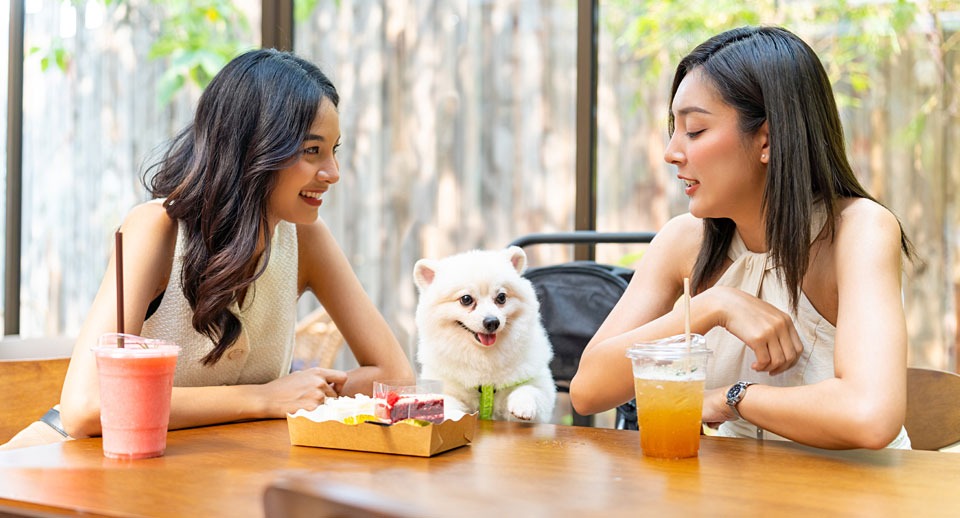
Pets are becoming more prominent in our lives. As humans become more aware of the connections between their own diet and health, they are also more aware of how food impacts their pets’ health. Yvonne Hsu, general manager, U.S., of Hill’s Pet Nutrition, knows that people want to feed their pets more human food. But she also knows that even if a pet food doesn’t appeal to people, it might appeal to pets. This is just one of the many tensions she faces as she plans for future offers and trends.

Matt Carmichael: How are demographics around household formation changing who owns pets?
Yvonne Hsu: I like to believe that pets are universal, and everybody could benefit from having a pet in their lives. We know having pets is a big trend that has happened over the last few years. We expect that to continue. There’s a staggering statistic from the U.S. Census that there are now more households with pets than children in the U.S. You would expect to see more Millennial and Gen Z folks making a choice to have pets even over having children. It elevates their importance in the household.
Carmichael: We’re even elevating them to human status now, aren’t we?
Hsu: The humanization trend has been here for a long time, but it has manifested in different ways. There’s a focus on making sure that pets are stimulated mentally and emotionally in addition to physically. So you see more toys and experiences that allow you to make sure you are driving that mental engagement. But you also see differences in behaviors.
Carmichael: What kinds of behaviors?
Hsu: Dogs used to sleep in the barn, then in the house and now in the bed with you. That affects choices people are making. People are investing more in their pet’s comfort, health and happiness. From custom furniture to tech gadgets, feeders to standing grooming appointments, pets are family and are treated as such.

Carmichael: How does humanizing pets shape food choices?
Hsu: The humanization trend used to be about making sure everything was natural, to having the right ingredients, to feeding food that looked like human food. Now it’s, “I want to feed my pets something that I would eat myself.”
Carmichael: There are many parenting styles of children. How does that translate with “fur babies”?
Hsu: We have found that behavior toward pet nutrition has more to do with feeling that sense of accomplishment as a pet parent, being at your best. Three-quarters of pet parents are doing something to transform the food. It could be as simple as adding water to kibble. They want to make sure they’re doing the very best for their pet because they’re not there all the time. Conversely, as your kids get older, they have more of their own lives. Your worlds collide in important moments of connection, love and support rather than an ongoing, daily responsibility and attention. The pressures and experiences are different.
Carmichael: Many humans are using food more deliberately for functional or performance reasons. Do you see that with pet nutrition, too?
Hsu: Yes. You could feed your pet Science Diet and that is going to be good for every single pet out there. But we know that there are specialized needs, whether it is something the pet parent has observed or whether it is something that they have heard from their vet. We have a full specialty line that really taps into this insight of what are the specialty needs a pet might have. And, of course, we have our therapeutic line that is specifically for pets that are sick.
 Behavior toward pet nutrition has more to do with feeling that sense of accomplishment as a pet parent, being at your best.”
Carmichael: Does pet nutrition sometimes lead human food innovations and trends?
Hsu: Obesity is an issue with pets, too. We have metabolic food in which 96% of pets who eat this food every day lose weight in two months. The comment from people is always, “Why can’t I get that food?” Well, people probably would, but humans don’t eat the same things every single day.
Carmichael: What other trends are having an impact?
Hsu: Sustainability. We believe that is going to be a continued pressure and trend especially with younger generations. They will make more decisions based on the sustainability impact of brands and products. We have a partnership with Bond Pet Foods for a fermented protein we plan to roll out in the future that helps us deliver animal protein while significantly reducing our carbon emissions.
← Read previous
How brands can balance price and premiumization in evolving markets
Read next →
How AI could revolutionize how we connect with and care for our pets
