


Key Takeaways
German Shepherds are popular in the U.S. for their calm and courageous demeanor and need lots of exercises.
The Collie is known for its elegant look and friendly nature, making it a perfect family dog.
Once upon a time, many dangers faced unaccompanied livestock—other wildlife, harsh weather conditions, you name it. The role of shepherds was to protect their animals and lead them where they needed to go. This role was so valuable and vital to farmers that the word “shepherd” became a symbol in Christianity. In the New Testament of the Bible, Jesus refers to himself and is referred to as the “Good Shepherd.”
Dog breeders started to develop members of the herding group to accomplish essentially the same job that their human shepherd counterparts were doing. Enter shepherd dog breeds. We spoke to an expert at the American Kennel Club to learn more about the history of these breeds and got info on the dozen shepherd dog breeds you should consider.
What are shepherd dogs?
Herding dogs, sometimes anointed with the name “shepherd,” were bred in order to “gather, herd, and protect livestock,” according to the American Kennel Club (AKC).
“The herding breeds evolved to assist man in moving, protecting, and acting as fences for livestock,” Mari-Beth O’Neill, vice president of sport services for the AKC says. “Variations in the breeds are based upon the stock that they are used to work and the terrain and environment in which they work.”
Today, herding dogs fulfill many of these same purposes on farms worldwide, especially border collies and Australian shepherds. From watching over sheep to tending to cattle, these breeds run a tight ship on their farms.
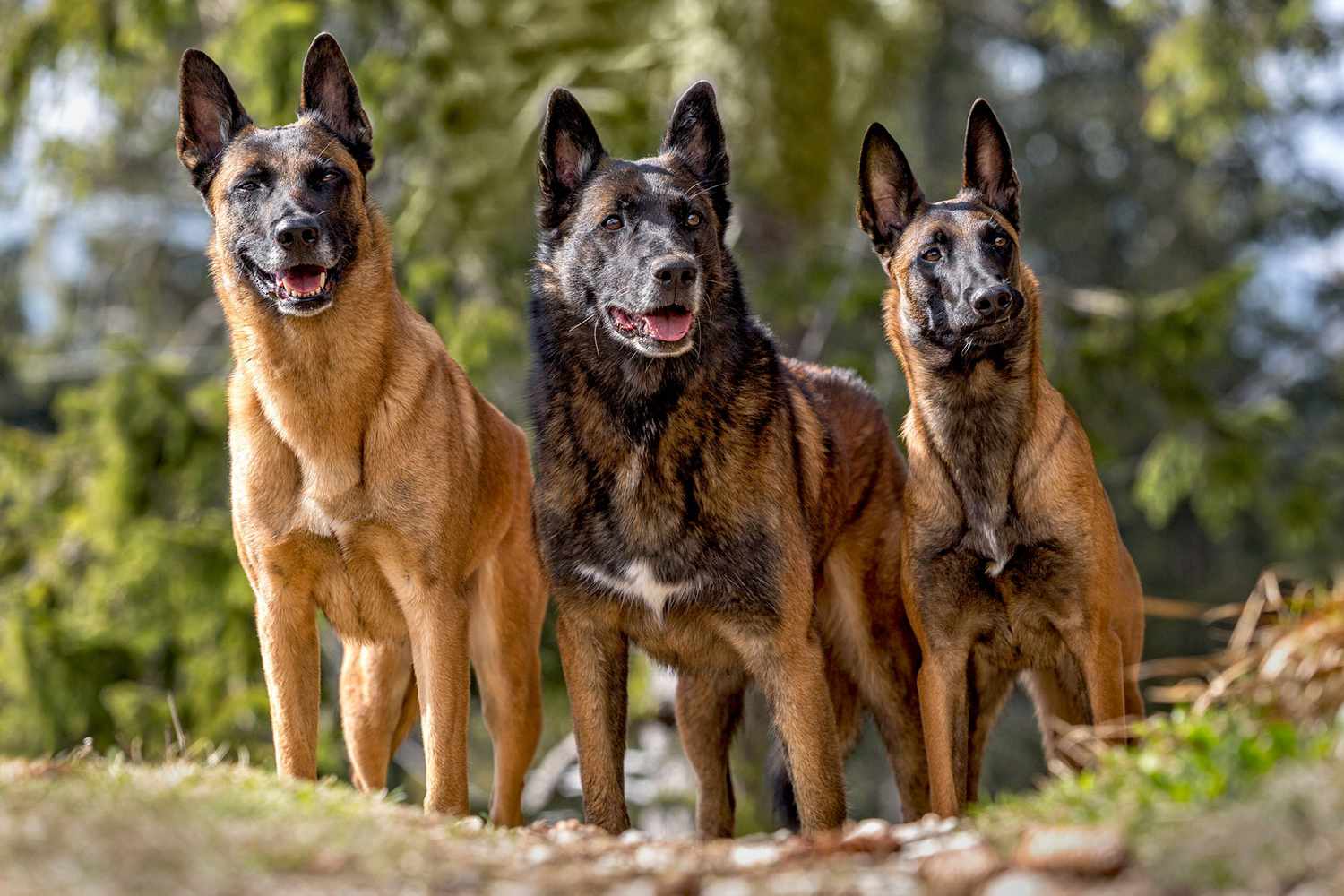
Other dogs of the herding group are commonly used on police forces in K-9 units or as TSA personnel (without the person part, obviously), like the German shepherd and the Belgian Malinois.
Altogether, these animals have acute instincts when it comes to controlling the movement of other animals. If you happen to own a herding dog, you may have noticed yourself being gently herded at times! All in good fun.
Why are some dogs called “shepherds” but aren’t herding dogs?
While breeds like the Anatolian shepherd have “shepherd” in their name, they are, in fact, not herding dogs. Instead, they were bred to serve a slightly different purpose on the farm: guard dogs.
“These breeds are flock guardian breeds that worked with the shepherd to tend the flock,” O’Neill says.
Instead of trying to control the flock’s movement, guardian dogs patrol within the flock to watch out for intruders who don’t belong. According to Cornell University, guardian breeds view the sheep as part of their pack. What a bond!
And mnemonically, to put it bluntly, “shepherd” is a made-up name, just like John or Smith, Lisa Radosta of Florida Veterinary Services pointed out. Breeders who found a breed have the agency to pick whatever name they want!
But without further ado, here are 12 shepherd dog breeds we think you’ll get a kick out of.
Australian Shepherd
The Australian shepherd, affectionately known as an “Aussie,” has existed since the 1800s. Surprisingly enough, these dogs don’t come from Australia. They were primarily bred to herd and work on the American frontier among settlers of the West.
Australian shepherds are one of the most popular dog breeds today. They are incredibly intelligent and love to please their owners, which are two great attributes for training purposes.
However, because of their energy, Aussies thrive better under the eye of an experienced dog owner who can redirect their focus through both consistent training and exercise. If the classic afternoon nap is your go-to activity, this may not be the dog for you.
If you have a large backyard or are willing to walk or hike an average of 40 minutes daily, then you’ve got yourself a workout partner in the Aussie!
RELATED: 15 Energetic Dog Breeds for People With an Active Lifestyle
Collie
Ready for a linguistics lesson? The word “collie” is literally the Scottish word for “sheepdog.”
Collies are a medium- to large-sized breed that are known both for their wedge-shaped faces and abundance of fur. This dog was originally found in northern England and the Scottish highlands and were notorious for protecting both livestock and the family members that lived on the farm. But soon, collies found themselves in more royal circles.
Once Queen Victoria discovered the breed while traveling in Scotland and adopted collies in several different colors, collies exploded in English popularity. Since then, several U.S. presidents have owned collies, and the collie has been featured in many fictional films.
Despite their elegance, collies both love to play and have great instincts when it comes to being around humans, knowing when it’s time to scale back and be more gentle.
One tip about collie care: If you live in a hot climate, don’t shave their long fur! Their coat will protect them from the heat as well as the cold. Cool! Literally.
Old English Sheepdog
Old English sheepdogs (OES) are the wearers of easily-recognizable coats of fur and also dawn an easily misconceived name. While their name suggests that the Old English sheepdog was bred to herd sheep, the fact is that they were actually bred as “drovers,” tasked with moving livestock quickly from one location to another.
One of the most important aspects of owning an OES, if not the most important aspect, is the strict grooming needs of the breed. OESs have double coats and the grooming is largely underestimated by new owners. If not careful, it’s possible for the undercoat to become completely matted down, requiring a complete shaving of the dog. Be sure to invest in a sturdy brush for daily grooming sessions to keep your pup comfortable between trips to a professional.
OES dogs love people and excitement. Ensure ample play and exercise time!
Pembroke Welsh Corgi
If you don’t live under a rock, it’s probable that you know someone that loves corgis. This beloved breed parades around on short legs and is known for its happy demeanor that match its large grins.
Standing only 10–12 inches off the ground, the Pembroke Welsh corgis make up for their small size by possessing a great sense of humor and love for activities, especially if those activities include toys.
Pembroke Welsh corgis are cute, but they need your help in order to stay that way. Featuring a double coat, corgis tend to shed regularly and will largely benefit from a weekly brush session.
The key to corgi care is to keep them physically and mentally stimulated. Check that box, and they will be your loyal friend for many years.
RELATED: Get to Know the Another Cute Corgi Breed: The Cardigan Welsh Corgi
Australian Cattle Dog
Looking for a dog that matches your determination? The Australian cattle dog (ACD) always finds work to be done and is incredibly efficient at getting the job done, which requires their owner to create tasks for them to complete.
Make sure to socialize these guys at a very young age in order to ensure appropriate interactions with other dog friends, adults, and kiddos. Understimulated ACDs may resort to destructive activities such as making a mess out of your new couch.
Visually, the Australian cattle dog boasts a variety of colors due to the breed’s multicultural background, which is largely unmatched. You may not be able to tell by their adult appearance, but ACDs have a dalmatian ancestry. Who knew? Now you do.
Another fun fact: One of the world’s longest living dogs was an Australian cattle dog named Bluey who lived to be 29 years old. WHAAAAT?
Belgian Malinois
Don’t look now, but the Belgian Malinois (Mal) is easily mistaken for the German shepherd. Despite the similarities in their appearances, these two large breeds are unique!
Originally from Belgium, the Malinois was introduced to the U.S. in 1911 but lost popularity due to WWII import pauses. Today, they are celebrated for their military service, memorialized by a statue in North Carolina dedicated to military dogs.
Shetland Sheepdog (Sheltie)
The Shetland sheepdog (Sheltie) is a sweetie. Try to say that five times fast! They strike an easy balance between affection and intelligence, meaning they’ll easily forgive you if you mistake them for a collie.
They also strike a great balance of craving activity and relaxing when the day is at its end. Relaxing time is also a great opportunity to brush their beautiful coats once a week, which are ample with fluff!
RELATED: 13 Fluffy Dog Breeds You Can’t Wait to Snuggle
While other herding breeds may tend to be a bit territorial when it comes to their humans, the Sheltie gets along famously with other family members, even if they are of the kitty cat variety. But if your Sheltie has the opportunity to meet an outsider, leave the greeting up to them so they can welcome new friends on their own terms.
Beauceron
The Beauceron (Beauce) is incredibly large and in charge, or in French, grand et en charge, as the largest French herding dog. They can weigh anywhere from 70–110 pounds, pairing brawn and brains in this one unique breed.
In the U.S., the Beauceron is not incredibly popular; they’re found most typically on police forces or in military settings sniffing out bombs, tracking scents, and participating in search-and-rescue missions. Because of their intensity, they are typically unsuitable for first-time dog owners and owners who cannot devote every single day to exercising their dog.
Like other herding breeds, Beaucerons require now-and-again brushing to keep their coat healthy. But a unique trait of the breed is its dewclaws that need regular trimming. Dewclaws are thumb-like appendages that are now rendered non-essential, but your Beuce may prefer to keep them in order to grasp at certain objects. And they’re kinda cool!
Border Collie
Get out of the way, your border collie is ready to run! That’s why this friendly breed would thrive best on a ranch or a farm. Give them a task, and they will do you proud!
The border collie is one of the smartest dog breeds and thrives with training. That’s why they’re regularly spotted competing in agility competitions, especially if they don’t have a flock to herd at home. They are known as the premier herding dog in the world and are a relatively healthy breed, making them a dependable member of your family with an always-wagging tail.
Belgian Sheepdog (Groenendael)
This intelligent, watchful dog is the epitome of bright-eyed and bushy-tailed, featuring sparkly eyes and a fluffy black coat. The Belgian sheepdog, also known as the Belgian shepherd or Groenendael, is one of eight herding dogs who were originally native to Belgium, hence the name, including the Belgian Malinois.
The Belgian sheepdog has held a variety of jobs in its history, including a show dog, police dog, search and rescuer, and more. They are active dogs who need attention and benefit largely from training, always eager to please!
Miniature American Shepherd
Besides the corgi, we saved one of the smallest herding breeds for last. The miniature American shepherd resembles the Australian shepherd, boasting a plethora of coat colors.
Putting the miniature in the miniature American shepherd, this dog will only grow to be an average of 20–40 pounds. In comparison to the Australian shepherd, that’s about a 15-pound difference.
In true herding dog fashion, miniature American shepherds largely benefit from both mental and physical stimulation. They were initially bred to be smaller rodeo dogs and became especially popular with equestrians, which made them great travel companions!
In the mood for a cross-country trip? You may have the perfect travel buddy on deck with one of these pups.
