


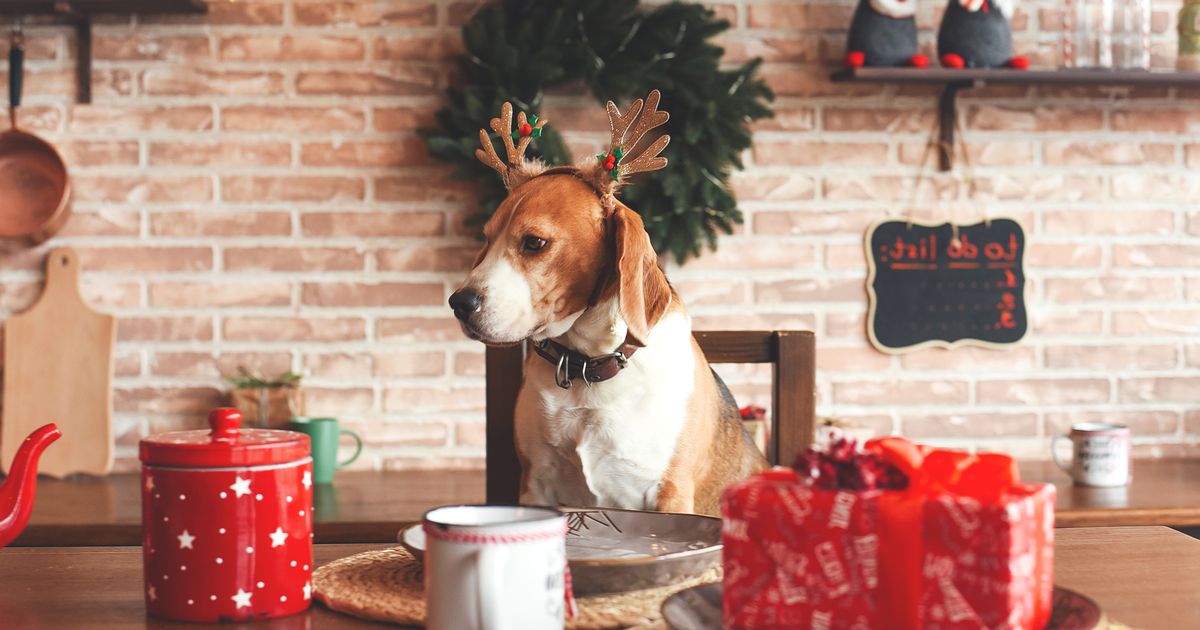
A vet has warned dog owners of some festive foods they should keep away from their furry friends this Christmas
A Christmas dinner table may seem perfectly safe, but one seemingly innocent vegetable could pose a hidden danger for dogs this festive period. Vet Nurse Leah Callaghan from the UK-based fresh dog food company Butternut Box warns that common vegetables like raw potatoes – often found in every kitchen and easily accessible to pets – can be toxic.
While many dog owners are aware that plain, cooked potatoes are usually safe in small quantities, far fewer realise that raw potatoes can be harmful if a dog manages to snatch a piece. Potatoes that are raw, green or sprouting contain solanine, a toxic substance, and should never be fed to dogs even in small amounts.
The vet nurse also notes that many other popular Christmas ingredients should be kept away from dogs. Vegetables such as onions, garlic, chives and leeks – all members of the allium family – can harm a dog’s red blood cells and cause serious illness, even when cooked or powdered.

She also advises caution to owners when giving dogs cauliflower, the Express reports. Vet nurse, Leah explained: “While many vegetables make healthy snacks for dogs, some should be avoided entirely because they can be toxic or hard to digest.
“Onions, garlic, chives, and leeks, all members of the allium family, can damage a dog’s red blood cells and lead to anaemia, vomiting, or weakness, whether they are raw, cooked, or powdered. Rhubarb leaves contain oxalates that can harm the kidneys, and even the stems can be risky in large amounts.”
She continued: “Raw potatoes, especially if green or sprouted, contain solanine, a toxic compound, so they should never be fed, although plain cooked potatoes are generally safe in moderation. Tomato leaves and stems also carry solanine, making them dangerous, though small amounts of ripe tomato fruit are usually fine for most dogs.
“Wild mushrooms pose a serious threat — just a tiny bite can trigger vomiting, liver damage, or neurological issues. When in doubt, it’s always safer to skip the questionable vegetables and stick with tried-and-true, dog-friendly options.”
While cauliflower is generally safe for dogs and can be a healthy treat in moderation, its status as a cruciferous vegetable makes it harder for some dogs to digest, particularly when raw. It also contains natural compounds that may cause significant gas, so even a small bite could lead to bloating or some unexpectedly audible side effects.
For this reason, Leah suggests offering only a small portion of cauliflower, and not using any butter, cheese, oil or any festive seasoning as it could further upset the dog’s stomach.
She added: “Generally, cauliflower is safe for dogs and can be a healthy snack in moderation. It’s full of antioxidants, vitamin C, and fibre, all of which support overall wellness. However, because it’s a cruciferous vegetable, it can be gassy, and some dogs may find it harder to digest raw. Always offer cauliflower in small portions and avoid adding butter, cheese, or seasonings, which can upset a dog’s stomach.”
To prepare cauliflower properly for dogs, she recommends lightly steaming or boiling it until its tender enough to help digest, then breaking it into small, dog appropriate florets and offering only a few pieces at a time. While raw cauliflower is safe in very small amounts the expert stresses that moderation is essential to avoid digestive problems.

“When introducing cauliflower, watch for signs of bloating, gas, or soft stools. Cauliflower isn’t best suited for dogs with sensitive stomachs or those prone to flatulence. Start with a tiny floret or a small mash, and see how your dog reacts,” she explains.
“If they handle it well, it can be a fun, crunchy treat during the holidays. But remember, cauliflower is a special occasion snack, not a daily staple; its unique compounds make it one of those vegetables that can delight in small doses but misbehave if overindulged. If you notice any change in your dog’s behaviour or digestion, it’s better to avoid it altogether.”
Although the expert stresses that there should be no spices, butter or oil in any item you are preparing for your pets, in order to keep them safe.
