


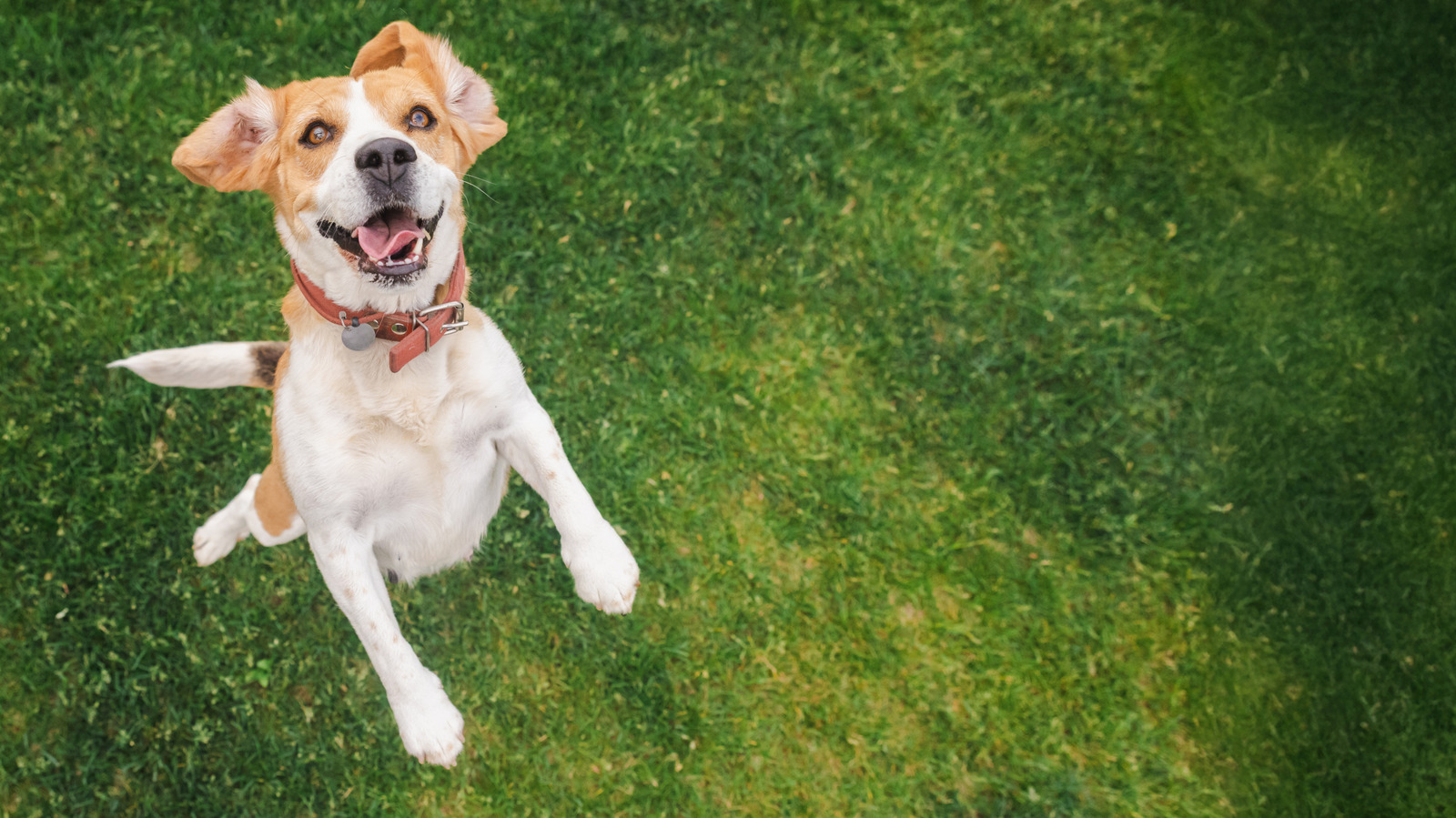
As pet ownership in the United States rises, it’s only natural that people want yards where their furry family members can feel at home. According to the American Veterinary Medical Association, the U.S. pet dog population reached 87.3 million and the pet cat population climbed to 76.3 million in 2025. Both new and longtime pet parents are so enthused about spaces where their dogs can frolic or their cats can get a taste of the outdoors that a named trend is emerging. “Barkitecture” is a type of backyard and home design that fuses the comfort and enjoyment of pets with the aesthetic beauty their humans crave. Putting this adorable design principle into action means creating secure and attractive outdoor areas for pets to play, rest, wash, and live their best lives.
The principles of barkitecture are also handy to know for anyone hoping to sell their property. The majority of prospective homeowners responding to a 2022 Realtor.com and HarrisX survey said they would skip buying their dream home if it wasn’t a good fit for their pets. Of these potential buyers, 67% stated they would close on a home because of its pet-friendly amenities. So whether or not you’re “owned” by a cat or dog, it’s worth knowing a variety of ways to add a pet-friendly space to your yard.
Take barkitecture from an interior trend to your yard and garden
SariMe/Shutterstock
Although barkitecture embraces the needs of all pets, there’s a reason the word references our canine friends. The term originally referred to specialty doghouse construction, then broadened as more people brought pets into their lives after the COVID-19 pandemic began in 2020, the same year a streaming reality show focusing on celebrity dog builds called ‘Barkitecture’ debuted. It now encompasses all pet-friendly design elements that fit seamlessly into the home (think stylish nooks for pets to sleep and eat, shelves built specifically for cats to scale, and the use of materials that can stand up to play sessions). While indoor pet-friendly home improvement is still a big part of this design movement, outdoor features that are safe for pets and provide them with tailored enrichment are just as important.
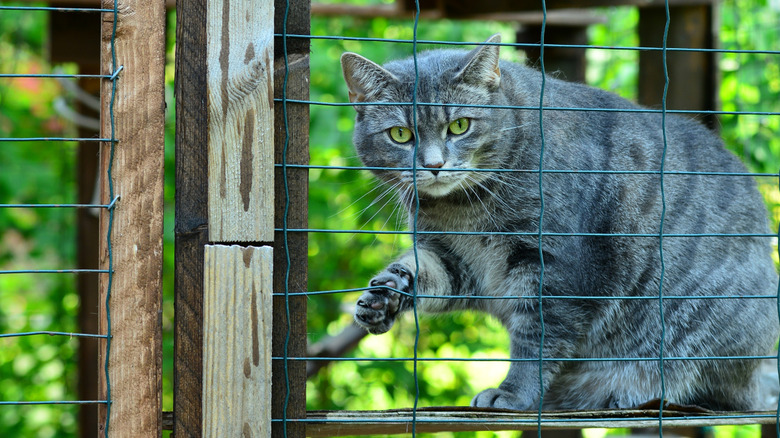
Just as each animal is unique, there are many ways to bring barkitecture to your yard that fit a spectrum of budgets. A fence is paramount, but those on a tight budget can use wooden options or put in partial fencing in a designated area like a dog run. Cat people can construct “catios” — screened-in spaces for their felines to experience the outdoors — from mesh, wire, and wood, available in affordable kits or as pricier custom builds. Natural ground covers or garden plants that are safe for and loved by pets can lend a lush vibe at various price points. A clover lawn is one option for dog owners, and cats may enjoy creeping thyme, zinnia, and culinary herbs. Remove anything thorny or poisonous to domestic animals (tulips and lilies are among the offenders). If you have more to spend, fencing off a larger area with materials like vinyl can be an investment upwards of $4,000.
How to make a picture perfect pet-friendly yard
Travelarium/Getty Images
As you go about making sure your yard is a pet oasis, consider safety, variety, and the quirks of your pets. After establishing safety with a fence for your rambunctious pup or a catio for your feline furbabies, you can add more functional and stylish elements. Some common examples of barkitecture at work are shaded and inviting spaces for your pets to relax, spots for sensory play and exercise, and features for waste elimination, but the way each pet owner incorporates these elements will vary depending on the vibe of their particular outdoor space.
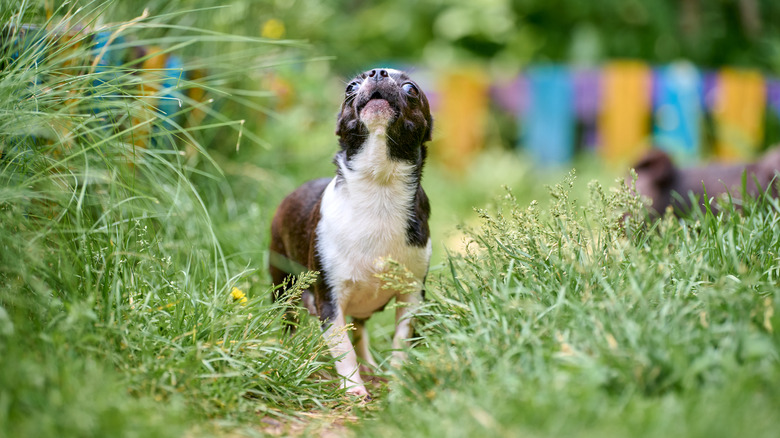
Shade trees, tall shrubs, or pergolas are visually pleasing while offering pets a reprieve from the heat. In smaller spaces, try sticking an umbrella that goes with the color scheme of any yard furniture into a planter filled with pet-safe flowers. When it comes to enrichment, take the personality of your pets into account. Dogs that like to patrol the perimeter of a yard can benefit from a path that’s gentle on their paws made from pebbles or cedar or pine mulch. If your cat tends to be curious about plants, poat and wheat grasses sold in “cat grass” kits can occupy them and add a green touch. Sand or litter boxes surrounded by catnip plants, or designated ‘potty’ spots for dogs, along with positive reinforcement, can help keep the space neat.
Knowing what’s best for the safety of your pet can help guide your efforts. Check the ASPCA’s list of toxic plants for dogs and cats before adding new plants to any garden. You should also avoid any mulch that’s made from cacao shells or recycled tire pieces, as these materials can be toxic or dangerous for sensitive paws.
