


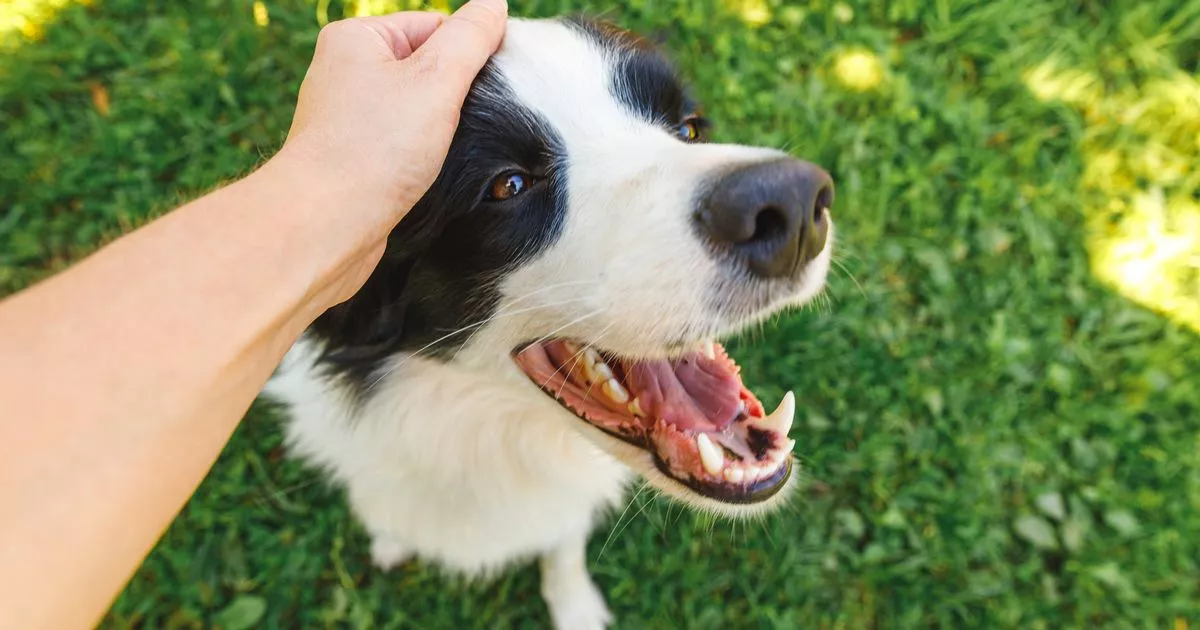
Dog owners might be very used to doing one thing with their pets – but it could end in a big health upset
Brits might consider Salmonella to be a bacteria you pick up on holiday or, rarely, if you cook something dodgy at home. And it is definitely not something pet owners may think they can get from their dog – or their dog food.
However, it turns out Salmonella can actually spread from contaminated dog food to humans. This week, dog owners were warned to check the dog food they are giving their pooches following a salmonella contamination.
Rhondda Raw Ltd are recalling their Beef 80/10/10 raw frozen dog food because Salmonella has been found in the product, which has a best before date of August 4, 2026, and batch codes of 040825/BM and 050825/BM.
How can it affect humans, you might ask? Well, there is a transmission risk many people overlook – letting your dog lick your face.
While the recall focuses on keeping dogs safe from contaminated food, the spread of bacteria from animals to humans may pose a risk to families, particularly kids, elderly relatives, and anyone with a weakened immune system.

Salmonella can survive in a dog’s digestive system and saliva even after the contaminated food has been consumed, meaning those affectionate dog kisses could potentially make humans unwell. Dr Aimee Warner, resident veterinarian at Waggel, explained: “Many dog owners do not realise that Salmonella can spread from their pet to their family through direct contact.
“If a dog has eaten contaminated food, the bacteria can be present in their mouth, on their paws if they have walked through faeces, and obviously in their digestive system.
“The risk is something we see in veterinary practice, and it is completely preventable with the right precautions.”
How Salmonella spreads from dog to human

Through saliva when a dog licks your face, mouth, or an open woundVia hands after touching a dog’s mouth, handling their food, or cleaning up after themThrough contact with contaminated surfaces like food bowls, toys, or beddingFrom poorly washed hands before eating or preparing food
Symptoms to watch for in dogs
Diarrhoea (sometimes with blood or mucus)VomitingLoss of appetiteLethargy or appearing generally unwellFever (though this can be harder to spot at home)
Human symptoms typically appear 12-72 hours after exposure
Stomach crampsDiarrhoea (sometimes severe)FeverNausea and vomitingHeadache
Practical steps to reduce transmission risk

Wash your hands thoroughly after handling dog food, treats, or touching your dog’s mouthClean food and water bowls daily with hot soapy waterAvoid your dog licking your face, particularly if they have eaten recalled food or show digestive symptomsDispose of dog faeces promptly and wash your hands afterwardsKeep children away from areas where you prepare or store dog foodIf your dog has eaten a recalled product, be extra vigilant about hygiene for at least a week
Join the Daily Record WhatsApp community!
Get the latest news sent straight to your messages by joining our WhatsApp community today.
You’ll receive daily updates on breaking news as well as the top headlines across Scotland.
No one will be able to see who is signed up and no one can send messages except the Daily Record team.
All you have to do is click here, select ‘Join Community’ and you’re in!
We also treat our community members to special offers, promotions, and adverts from us and our partners. If you don’t like our community, you can check out any time you like.
To leave our community click on the name at the top of your screen and choose ‘exit group’.
If you’re curious, you can read our Privacy Notice.
Dr Warner adds: “If your dog is showing any signs of digestive upset, contact your vet. While Salmonella contamination is uncommon, it can occur in dog food outside of official recalls, so vigilance is always important.
“If you develop symptoms after close contact with your dog, particularly if you are pregnant, elderly, or immunocompromised, speak to your GP. Most healthy adults will recover without treatment, but vulnerable groups can become seriously ill.”
