


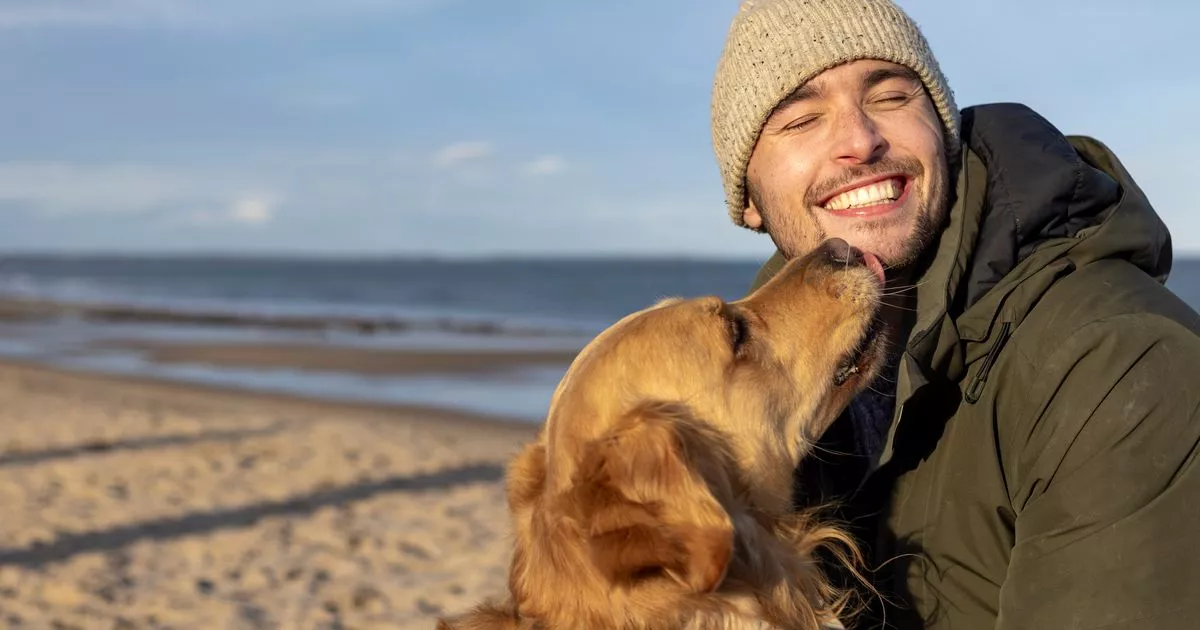
As the UK braces itself for colder temperatures, the RSPCA has shared some important tips for dog owners
Dog owners in the UK have been issued an important winter warning. The Royal Society for the Prevention of Cruelty to Animals (RSPCA) said you must “never” do one thing.
As winter arrives and temperatures drop you may not realise that your dog could be feeling the effects of cold weather. While they might still be excited to go for a walk or a ride in the car, these could come with added risks.
On its website, the RSPCA said: “Never leave them in a car. When driving with the dog, make sure to never leave them alone in the car.”

The RSPCA noted that different dogs are comfortable in different temperatures(Image: Getty)
You shouldn’t do this “even” if the heating is on. The charity said: “Even if the heating is on, they could develop hypothermia or overheat.”
However, the way in which dogs experience cold will vary depending on their size and breed. The RSPCA continued: “Even though all dogs feel the cold, different dogs are comfortable in different temperatures.
READ MORE: Iconic Jonathan Creek-style 18th Century windmill hits the market for just £695,000READ MORE: Mum left ‘terrified’ of jabs after shoulder left looking like ‘car crash injury’
“Certain dog breeds come with a ready-made coat; some with a double coat (two layers of fur), meaning they’re better adapted to cold weather months. Dogs with no fur or a thin or short coat are more susceptible to the cold and cold-related illness.
“The size of the dog also affects their tolerance to the cold. Smaller dogs lose body heat faster than larger dogs – bigger breeds are more insulated and higher above the ground, so they stay warmer for longer.

The RSPCA said you must “never” leave your dog in the car(Image: Getty)
“Puppies aren’t built for cold weather, either, as their ability to regulate temperature hasn’t fully developed. Elderly dogs, sick dogs and dogs who aren’t acclimatised to the cold also struggle.”
The RSPCA noted that “you know your dog best”. It said: “If they’re exhibiting other unusual behaviours, such as not wanting to go for walks or going off their food, speak to your vet.”
Other tips for keeping your dog safe in the winter include:
Keeping them activeMaking sure the dog is microchippedKeeping the dog visibleDrying them off and wipe them downAvoiding icy pondsTrimming the fur around their paws and earsGetting them a dog coatProviding a warm, cosy space indoors
For more information, visit the RSPCA website here.
