


Step aside, labradoodles and cockapoos. The American Kennel Club added three new breeds to their list of those allowed in the National Dog Show last year that are sure to be conversation starters at the dog park: the Mudi, the Bracco Italiano, and the Russian Toy. There are also plenty of other little-known canines with roots dating back centuries if you’re interested in an eye-catching breed. And while some of these rare pooches might not be as ideal for family life as the golden retrievers of the world, others can be fabulous companions — if, of course, you can track one down (and pay the potentially high price).
Related: 36 Popular Dog Breeds That Don’t Shed
Bracco Italiano
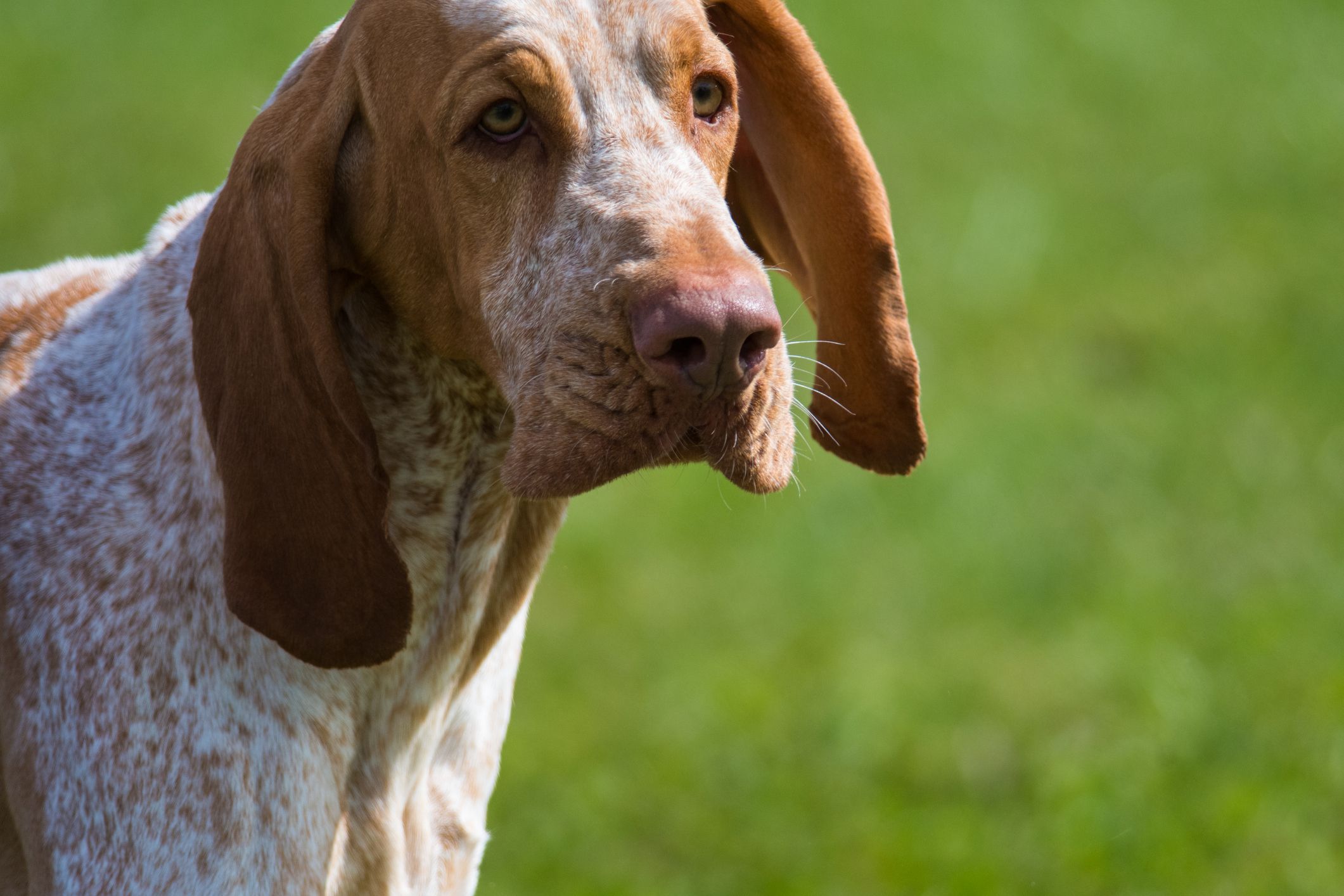
This docile Italian pointing dog is old news in Italy, where it dates back to the 4th or 5th century BC, but was only introduced in the states in the 1990s. This is a tireless and versatile gun dog that is also gentle, docile, and a breeze to train. If you consider hunting a hobby but also want a pup to cuddle with your kids, this choice (also known as an Italian Pointing Dog) might be right for you. Though this is a healthy breed, those cute, floppy ears should be looked after for ear infections.
Related: Things You Didn’t Know About Dogs
Mudi
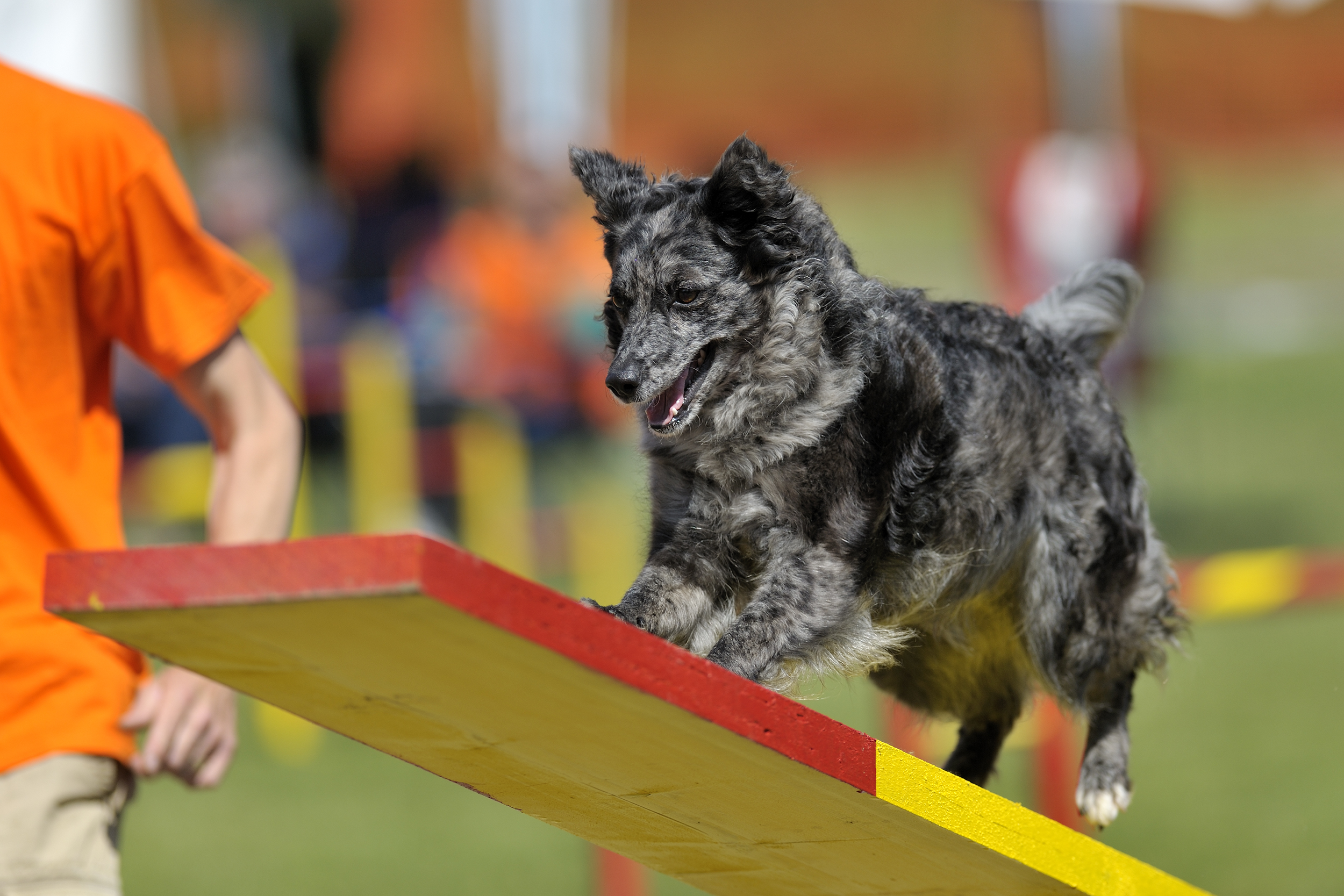
A friendly Hungarian farm dog with courage far exceeding its relatively small size, the exceedingly rare Mudi shines at herding and search-and-rescue missions. Its numbers dwindled drastically during World War II, and despite rehabilitation efforts, the AKC estimates that only a few thousand Mudi remain worldwide. This dog loves to run and jump, making it an excellent flyball and Frisbee companion; a suspicious streak also means a mudi can be a great watchdog.
Related: The Easiest and Hardest Dog Breeds to Train
Russian Toy
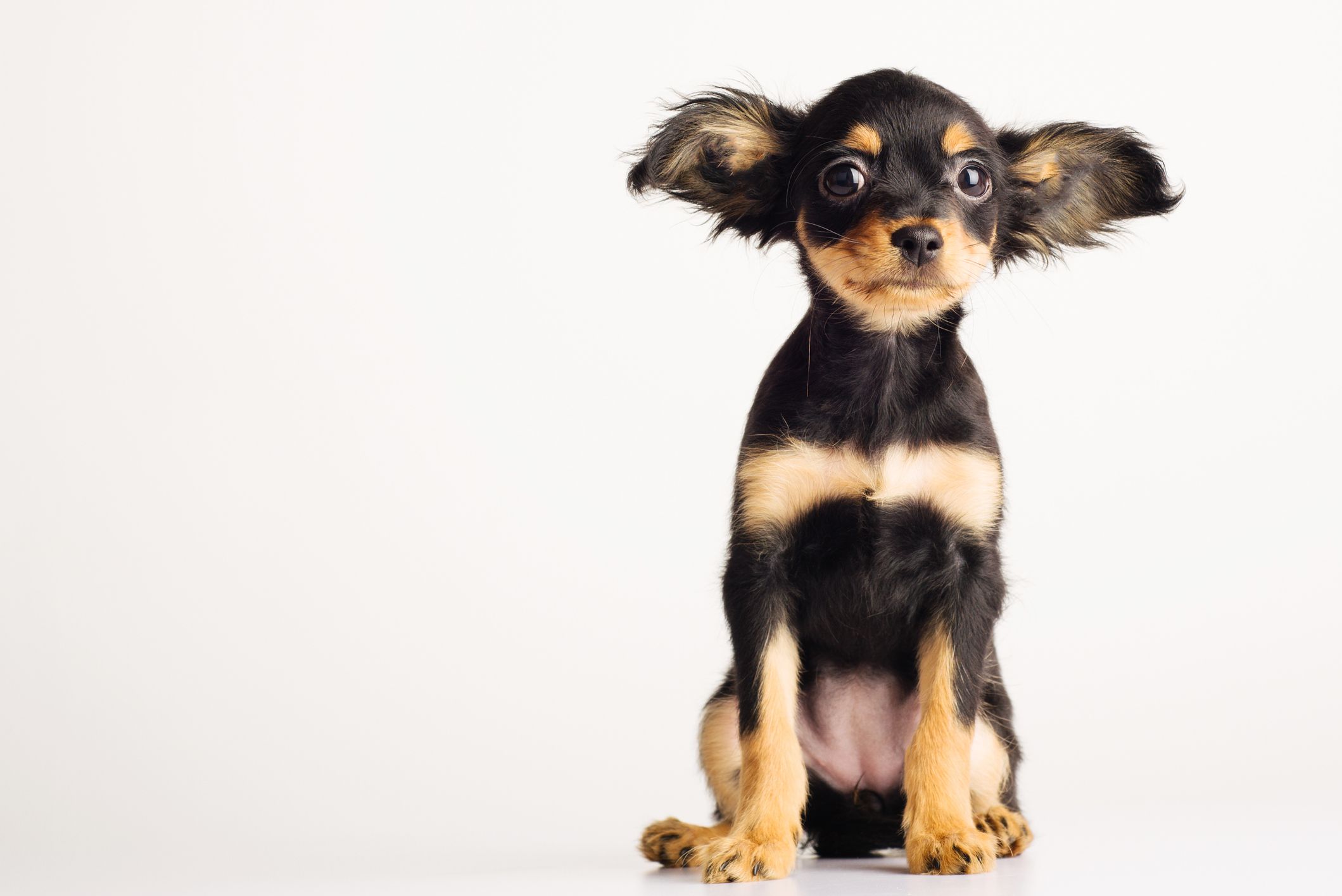
The small but mighty little Russian toy tops out around 6.5 pounds and has an impressive history as the favorite pet of the Russian aristocracy, including Peter the Great. Available with either a long or smooth coat, they are relatively high-energy but content to dash around a fenced yard for exercise. Despite its diminutive size, the Russian toy “has a larger than life personality” you’ll have to keep in mind, the AKC advises. If it feels it hasn’t gotten enough attention, you’ll be sure to hear it.
Otterhound
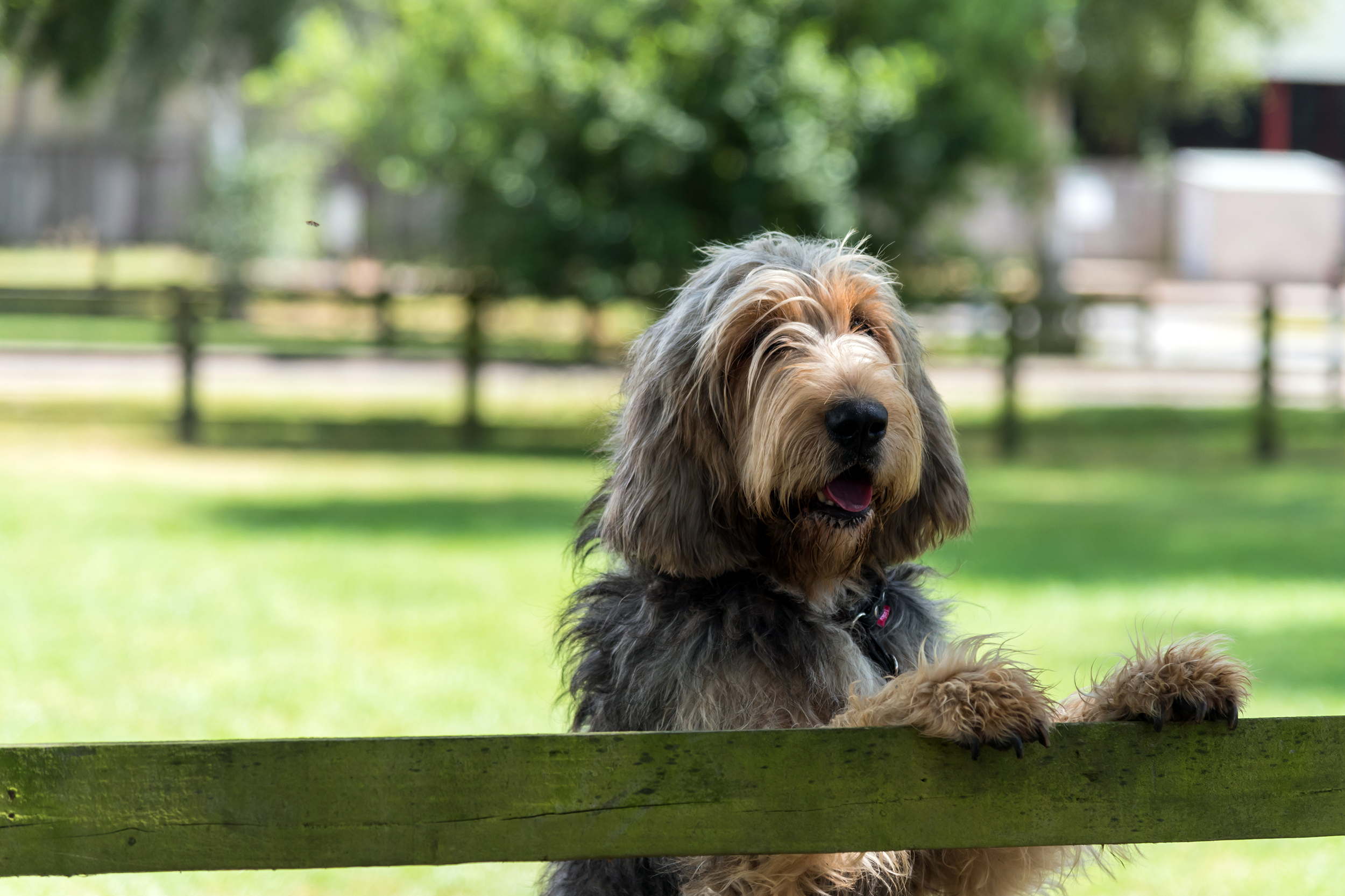
The shaggy, cheerful, somewhat awkward-looking otterhound was indeed bred to hunt otters in medieval England. They still love to swim, and they’re big — males can tip the scales at 115 pounds. The AKC warns that they can be “very sensitive,” and need plenty of positive reinforcement during training.
Related: Cute Dog Breeds That Make Terrible Pets
Puli
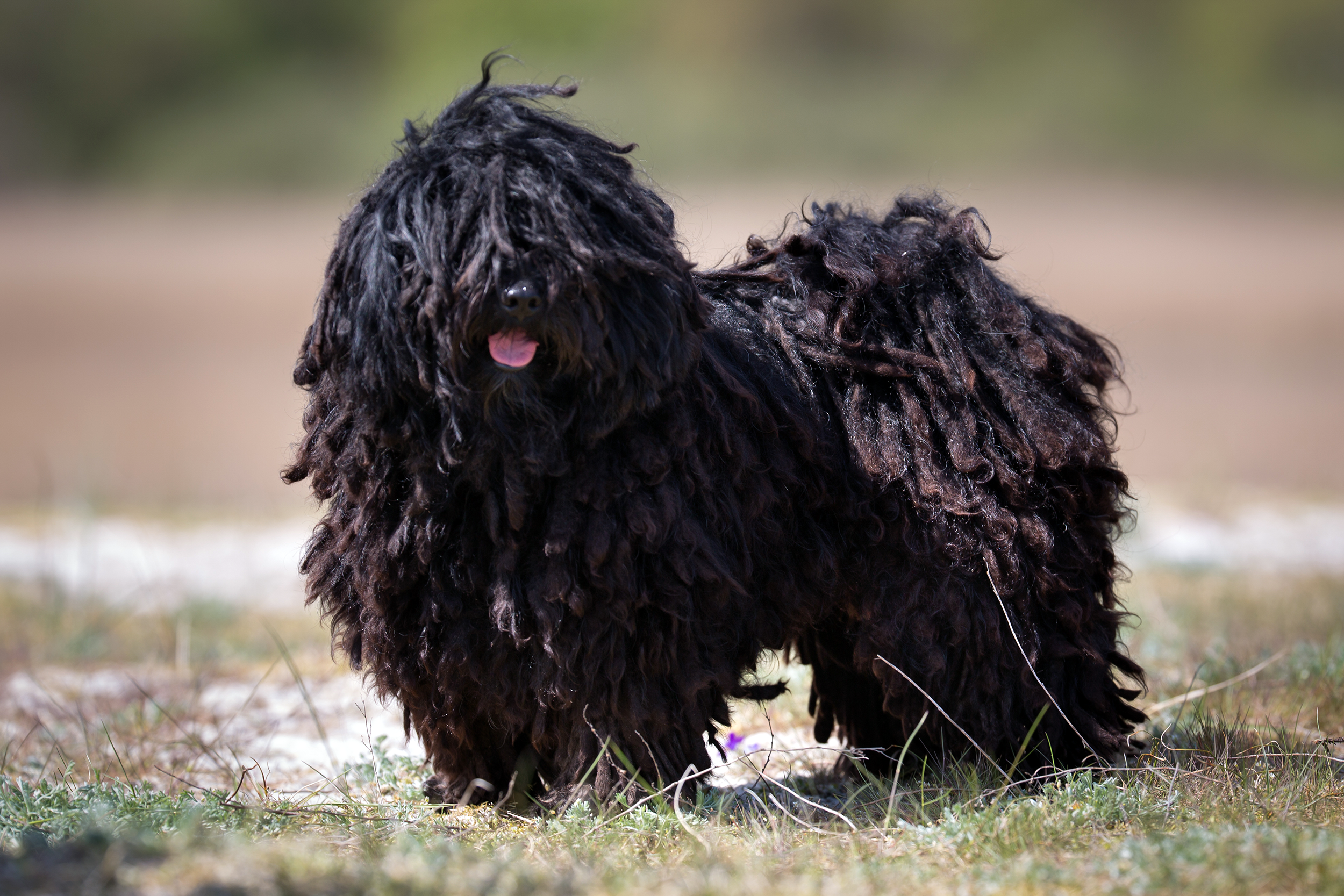
You might easily mistake a puli for a mop head on legs. Introduced to the West by Asian nomads, the puli is a herding dog that is a lot more agile than its wooly dreadlocks might convey. With such a unique coat, a puli requires expert grooming. According to the AKC, this is a very smart dog that likes to please its owner. But the club also says it “has no problem humiliating you in public.”
Related: These Are the Best Dogs For Seniors
Finnish Spitz
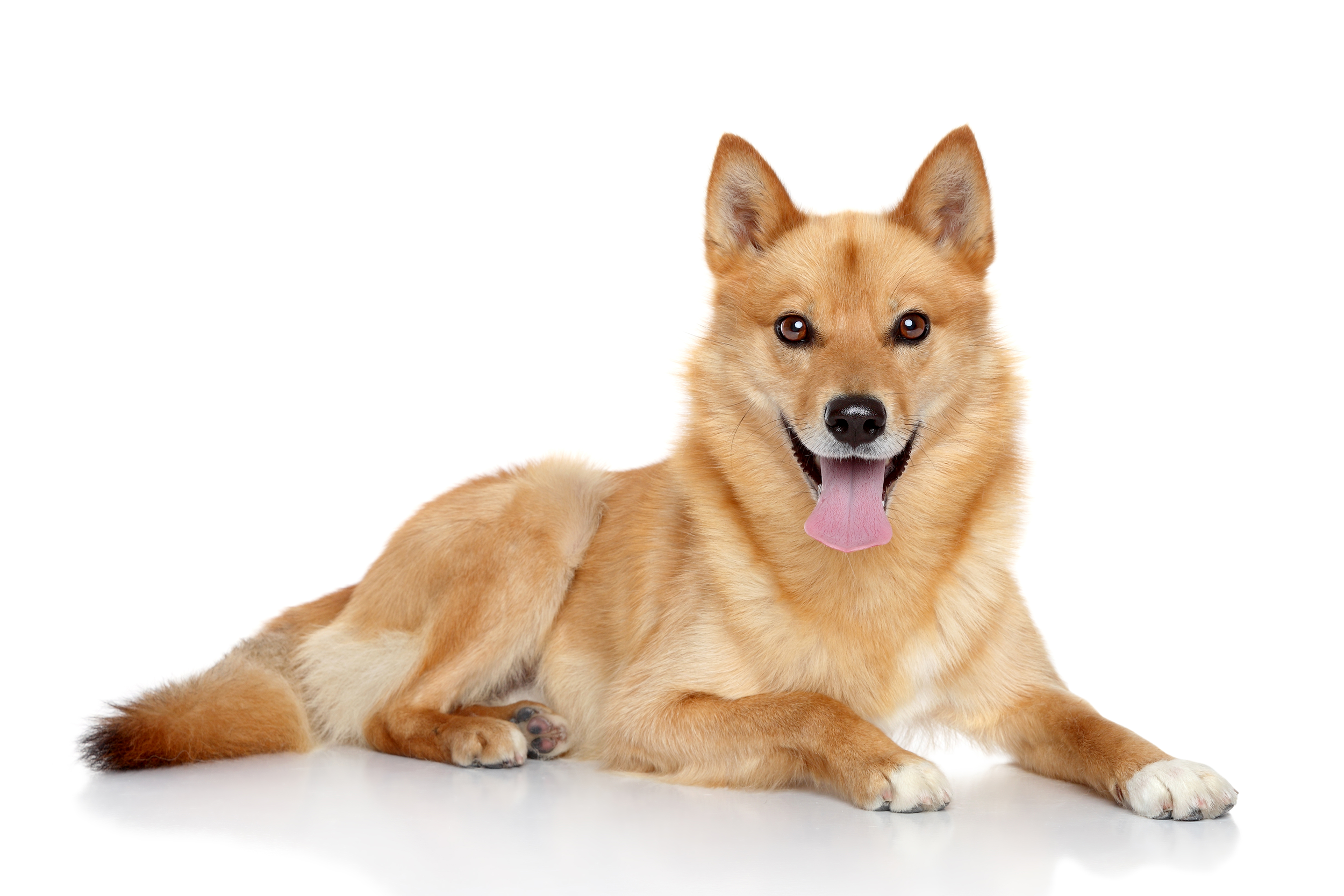
Squat and fox-like, the Finnish spitz has a cheerfully curving tail and dense reddish coat that makes it recognized as even more of a standout among pets. Don’t get a Finnish spitz if you’re a couch potato — the AKC notes that this breed needs plenty of exercise — and don’t expect a quiet companion, as the dog has a full-on yodel and is known to bark (and bark, and bark) at birds, squirrels, or other creatures. If you don’t mind it, your neighbors might.
Related: Dogs That Don’t Bark
Chinook
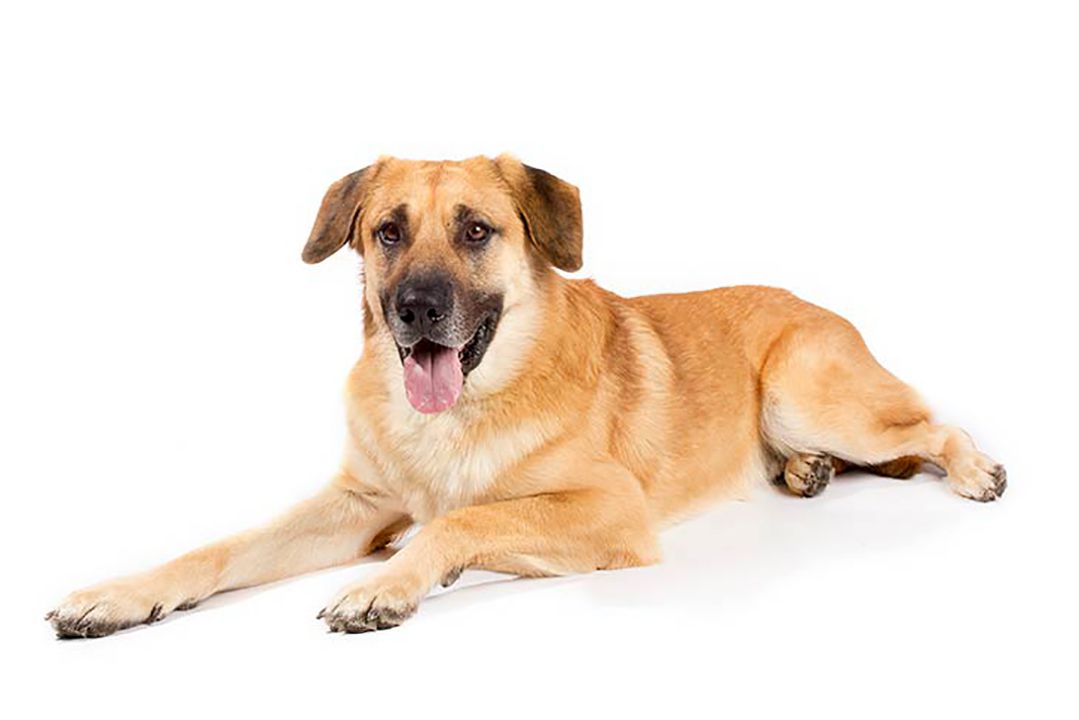
Bred primarily as a sledding dog, the chinook has long been overshadowed by Siberian huskies. This New Hampshire native was near extinction in the ’60s and remains relatively rare. Relaxed at home but energetic outside, the chinook has a sweet, easygoing, friendly nature that makes it a great family dog, with a lot of love to give as a furry best friend — just don’t expect it to guard much of anything (unless you want an intruder to be licked to death).
Hovawart
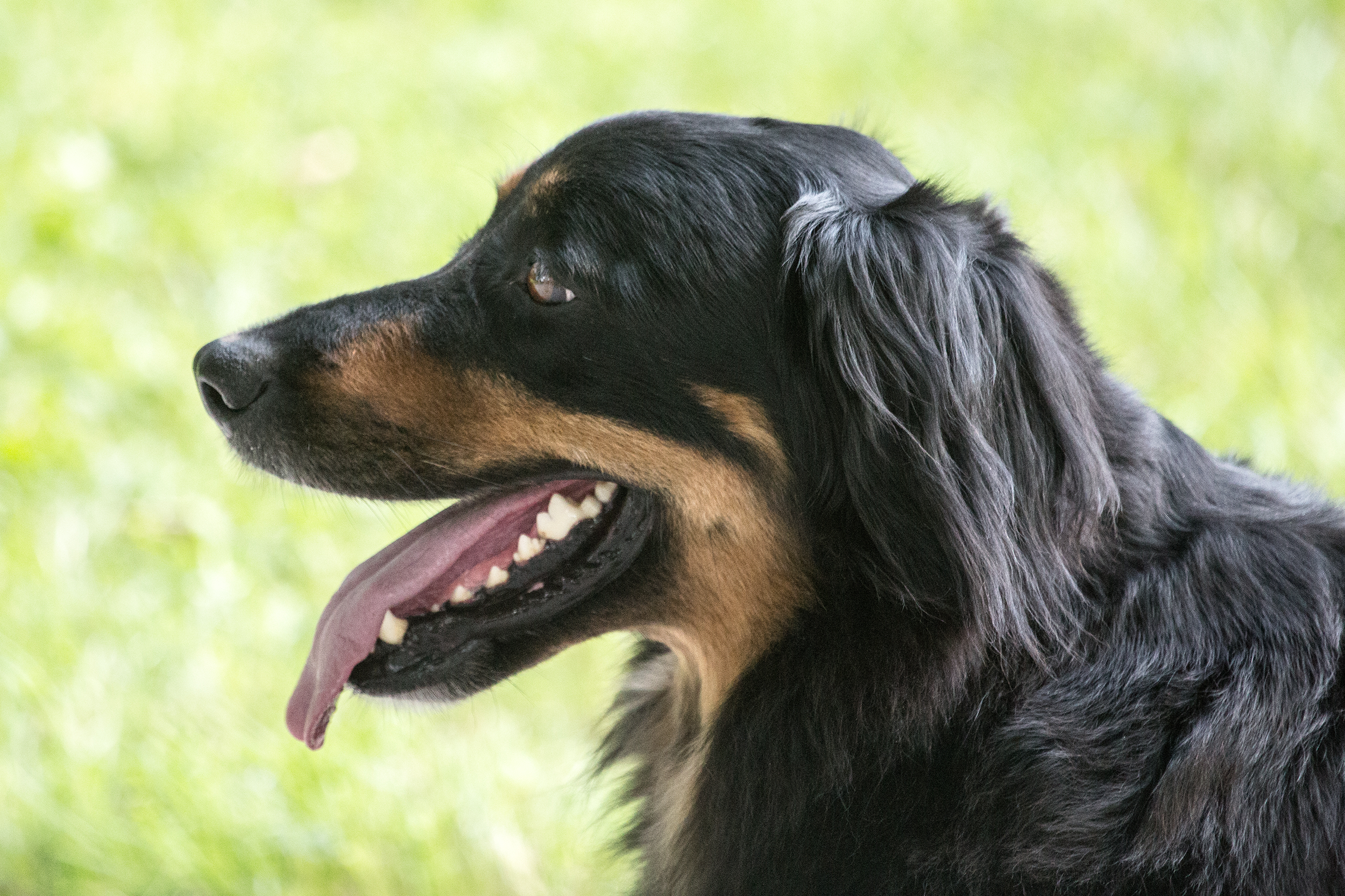
Need a guard dog? The confident, faithful hovawart fits the bill. This fluffy German working dog is little known in the United States but suitable for many tasks, including search and rescue. The AKC cautions that owning one might be best left to experienced dog lovers — these high-maintenance pets need plenty of exercise, socialization, and training to channel their guarding instincts.
Sign up for our newsletter
Subscribe to Cheapism and get exclusive tips, top deals, and money-saving ideas sent directly to you.
Dandie Dinmont Terrier
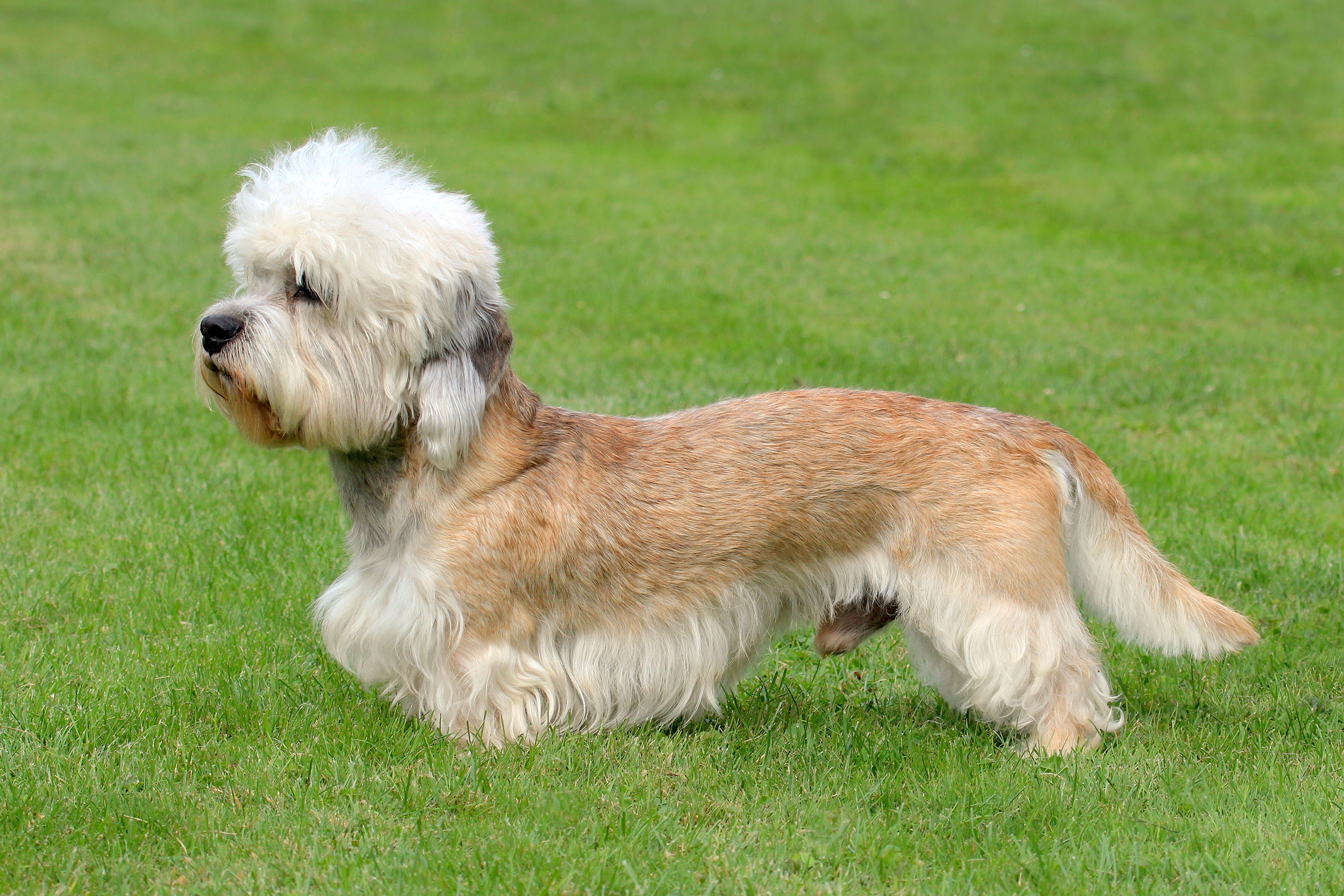
Dandies are little dynamos that have counted prominent admirers including Sir Walter Scott and French King Louis Philippe I. These silky, sturdy dogs have a big bark and an even bigger personality packed into their small frames. Other great reasons to track down a dandie: They don’t shed, are recognized as calmer than other small dogs (good when you need to meet lots of people over the course of a day), and have low rates of disease.
Schapendoes
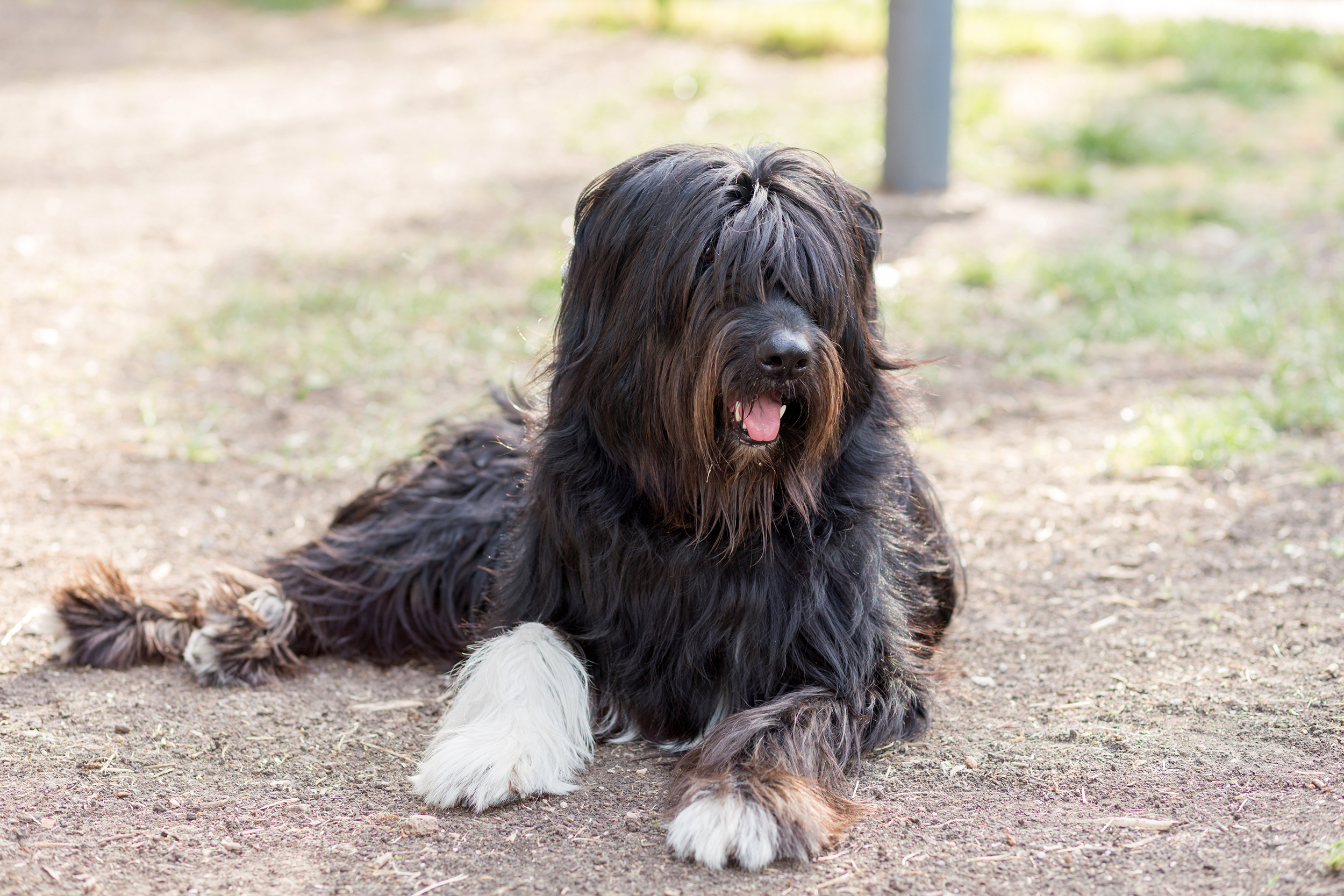
Also called the Dutch sheep dog, the schapendoes almost disappeared from the world when border collies were imported to the Netherlands. Still little-seen in the United States, this shaggy dog is a good pick for a family pet because of its friendly, people-pleasing temperament, according to the AKC. Still, it needs plenty of exercise and loves swimming, hiking, or games of fetch, the club says.
Kai Ken
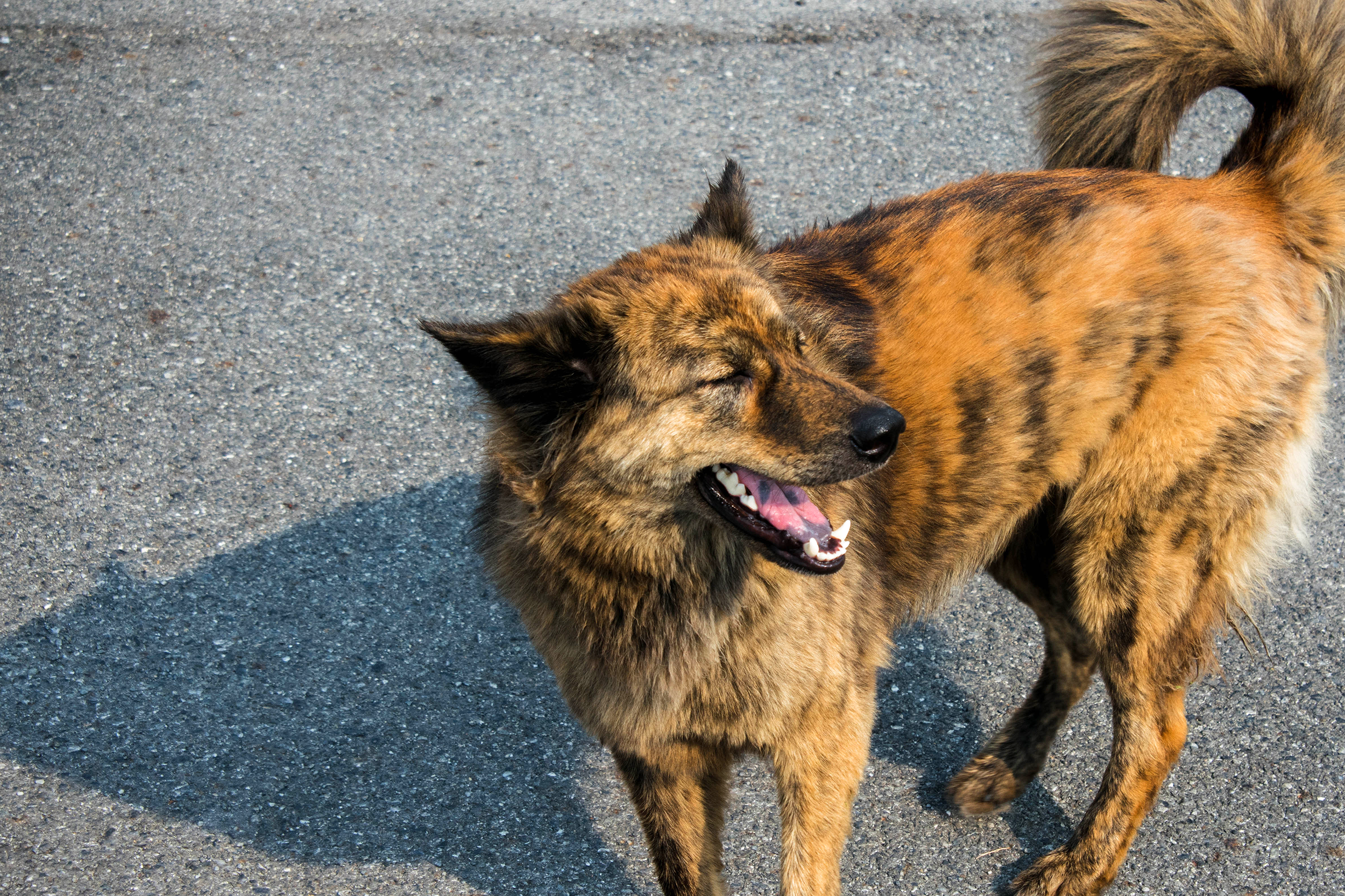
A Japanese dog that’s a rarity even in its home nation, the kai ken was bred as a hunter of animals as small as pheasants and as large as bears. The kai ken is intelligent and devoted, but the AKC warns against letting it off leash in any unfenced area — otherwise, the dog may forge rivers and climb trees in pursuit of any number of squirrels, skunks, or any other creature it spots.
Cesky Terrier
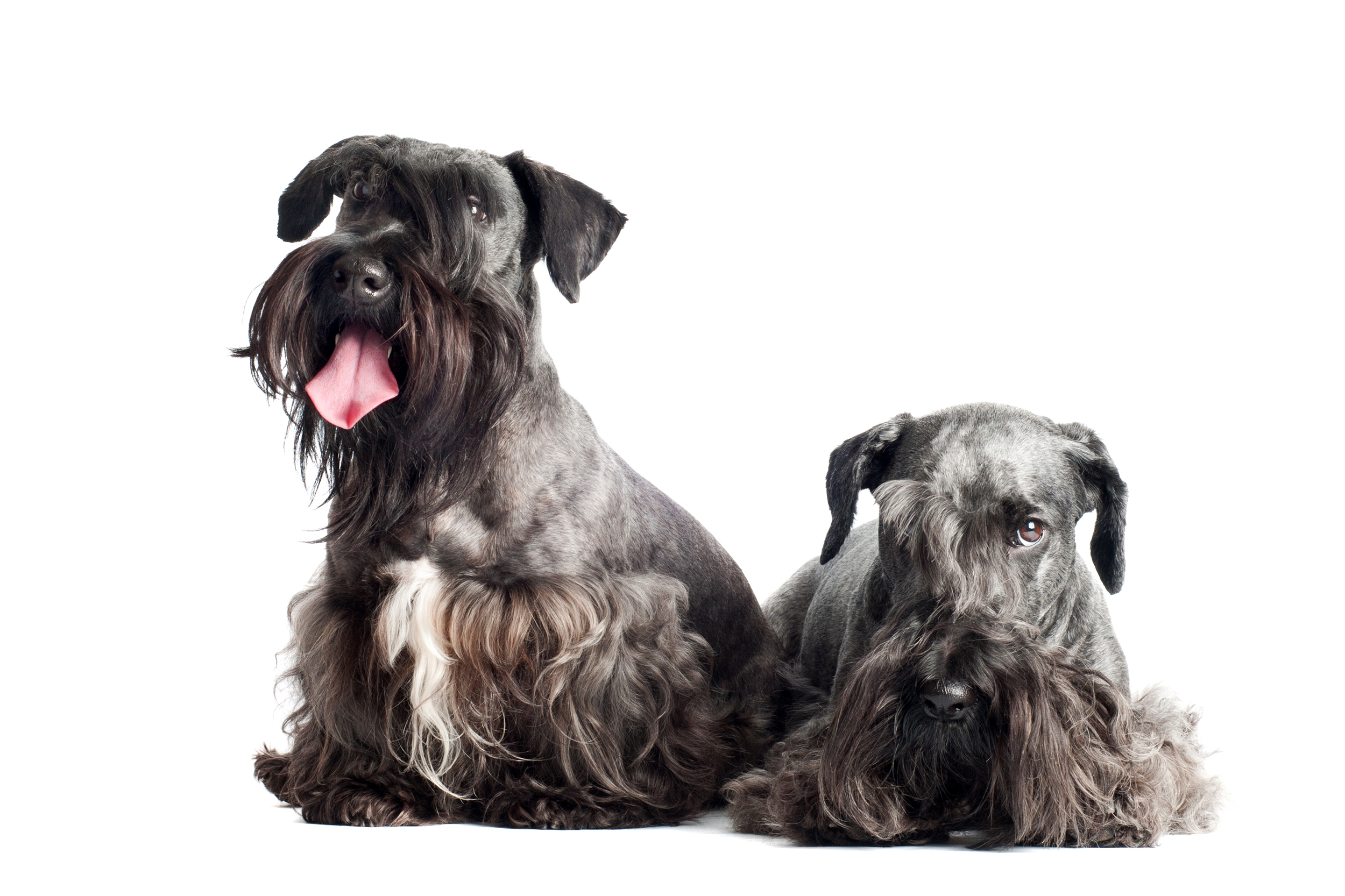
The AKC estimates that only 600 Cesky terriers live in the United States, which is a shame: This handsome, wavy-haired breed is very smart, but more trainable than other terriers. Bred from Scottish and Sealyham terriers by a Czech geneticist, they’re fairly laid-back with family, but make good watchdogs — and maybe are destined to become more common. Just make sure they’ve got a fenced-in yard to keep them running too far afield after anything they think of as prey.
Xoloitzcuintli
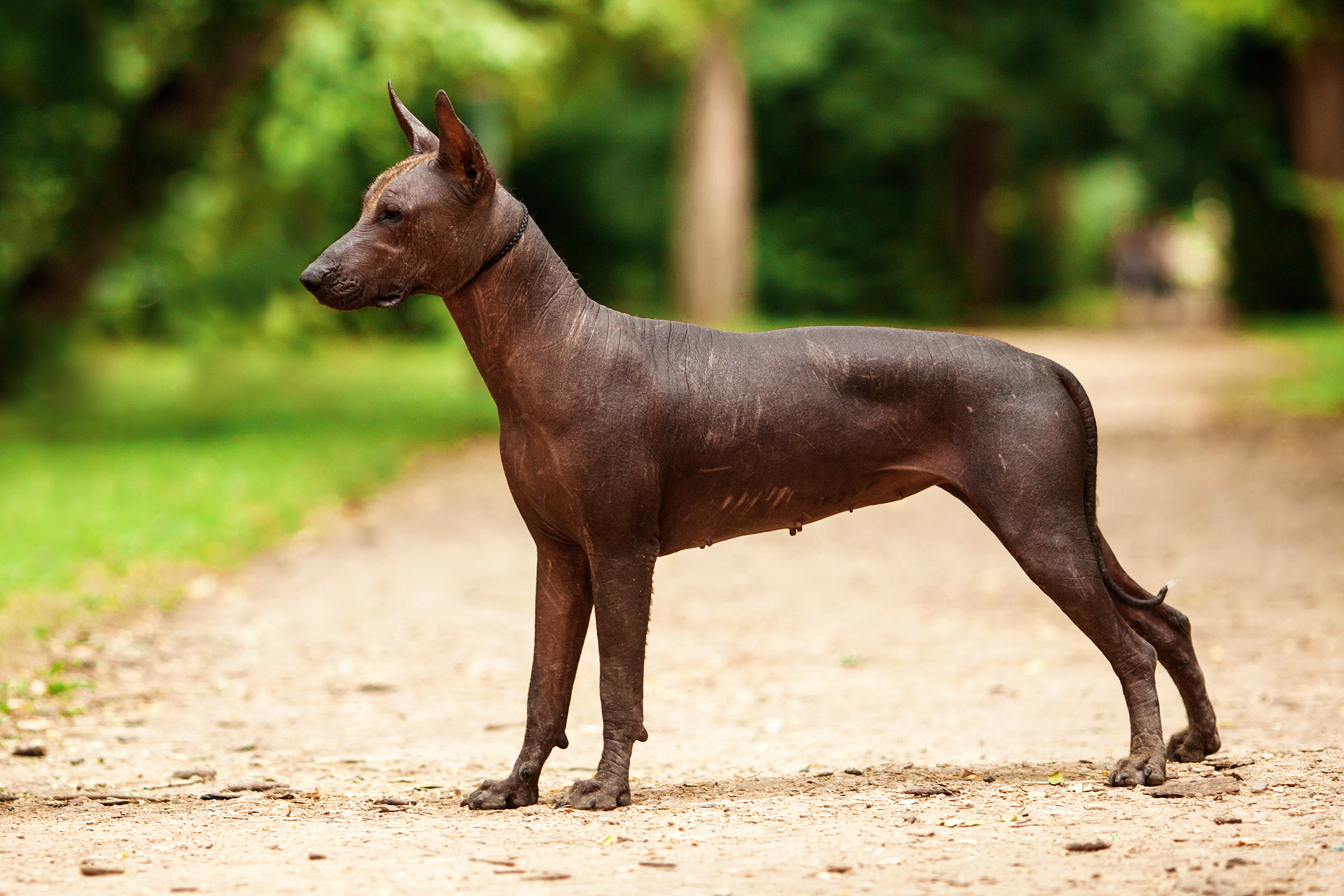
If it seems like the xoloitzcuintli’s tongue-twisting name (so-low-EETS-kweenT-lee) suggests an exotic background, you’d be right: Its roots go back at least 3,000 years to the ancient Aztecs, who considered the dog sacred. Because they’re either hairless or have a very short coat, these compact watchdogs are one that don’t require much grooming and are great for people with allergies — or anyone who’s too lazy to pick up dog hair all the time.
Lagotto Romagnolo
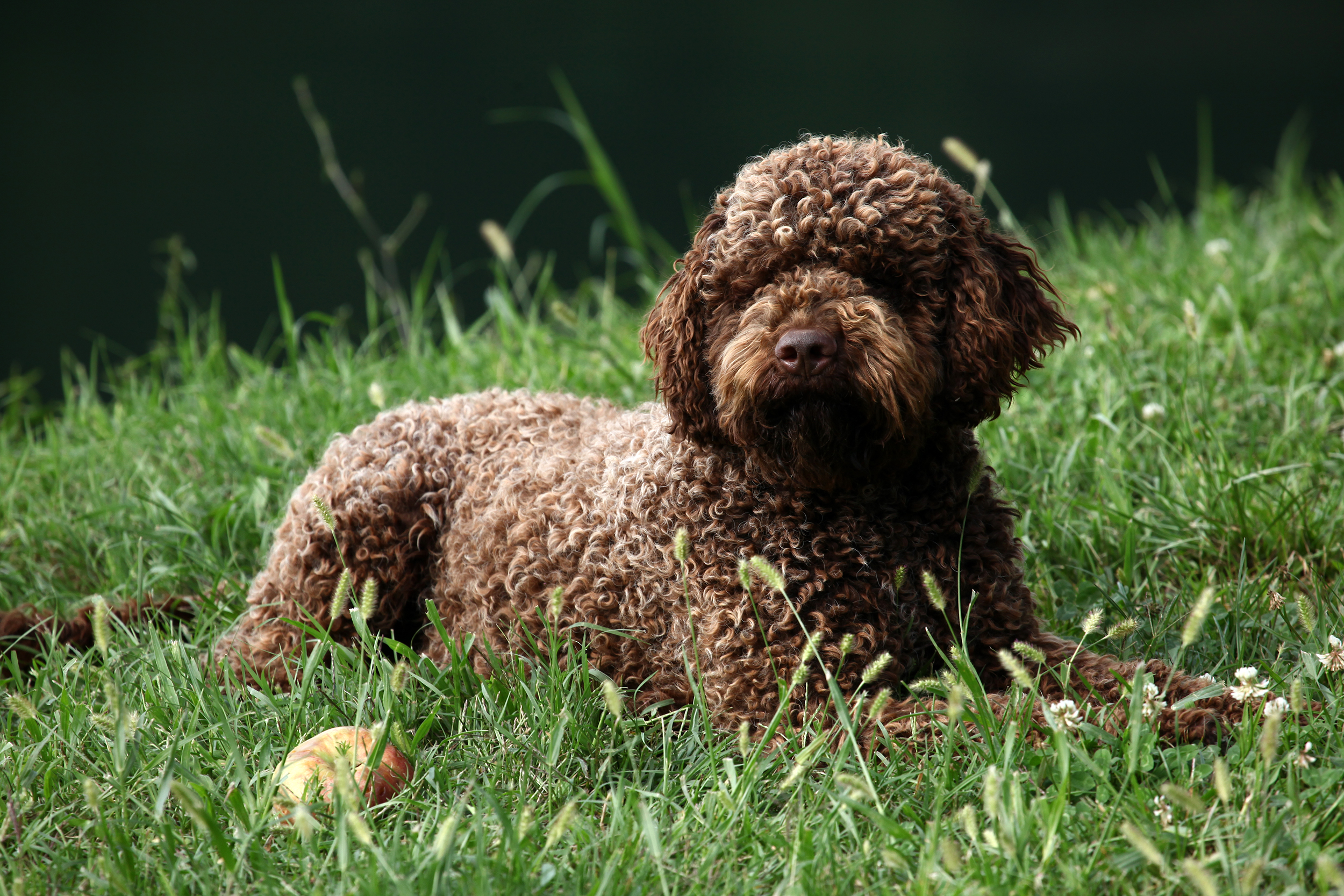
The curly coat and expressive face of the good-natured lagotto romagnolo make this the dog to get if you want to meet plenty of admirers on your daily walk. Even though it looks like nothing more than a cuddly companion, it has a hidden, world-beating talent: a nose so fine-tuned that the lagotto used to be tasked with sniffing out expensive truffles growing in the Italian countryside.
Harrier
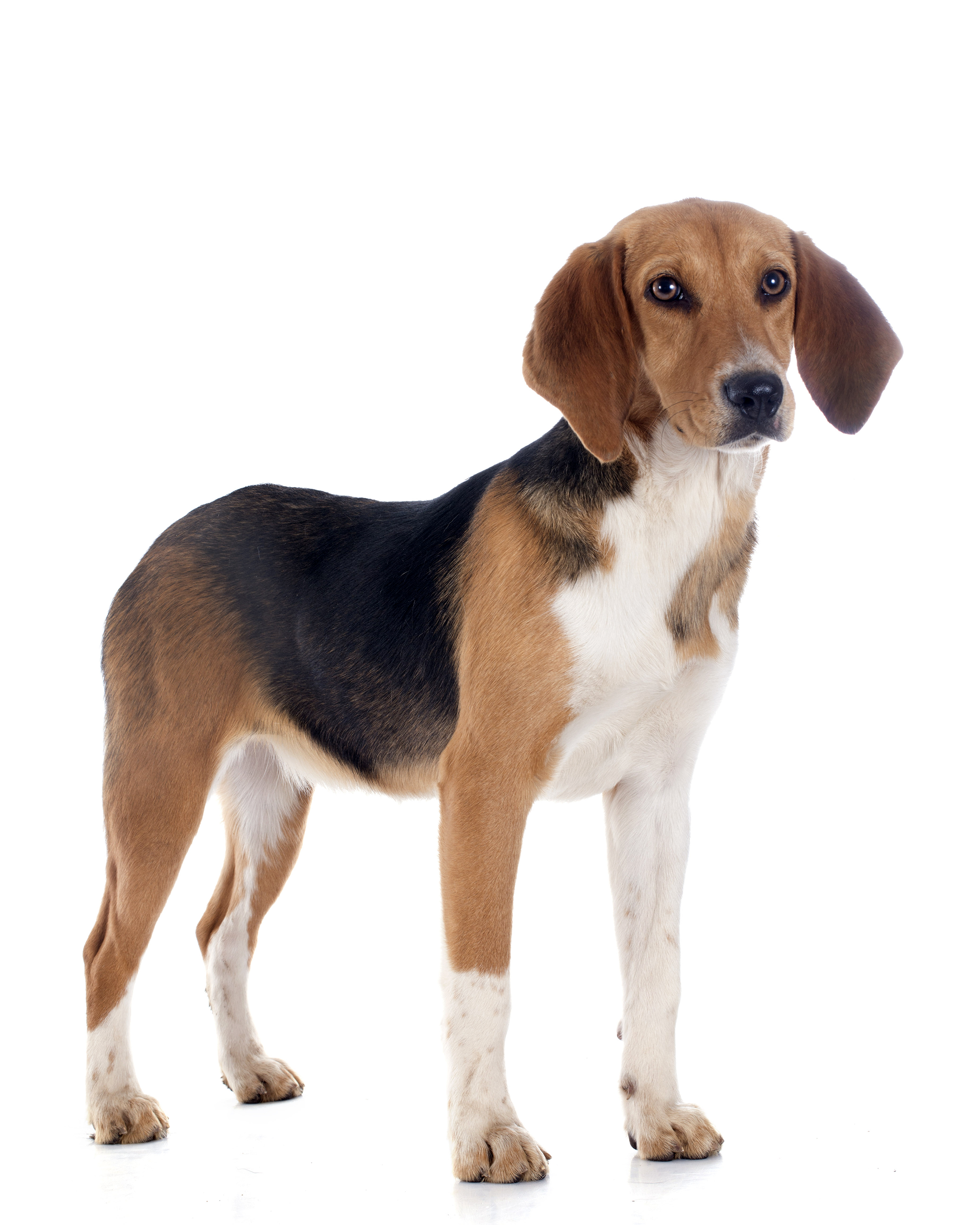
The harrier, a rare hound that first appeared in England sometime around the 1200s, looks like a “Beagle with a gym membership,” the AKC notes. In reality, it may actually be a smaller kind of English Foxhound. Regardless of its origins, the harrier was meant originally to chase hares all day, so it’s an outgoing dog that needs plenty of exercise unless you want to see your home slowly (or quickly) destroyed by your new pup. On the bright side, it’s pretty cheap for a pure-bred dog.
Kuvasz
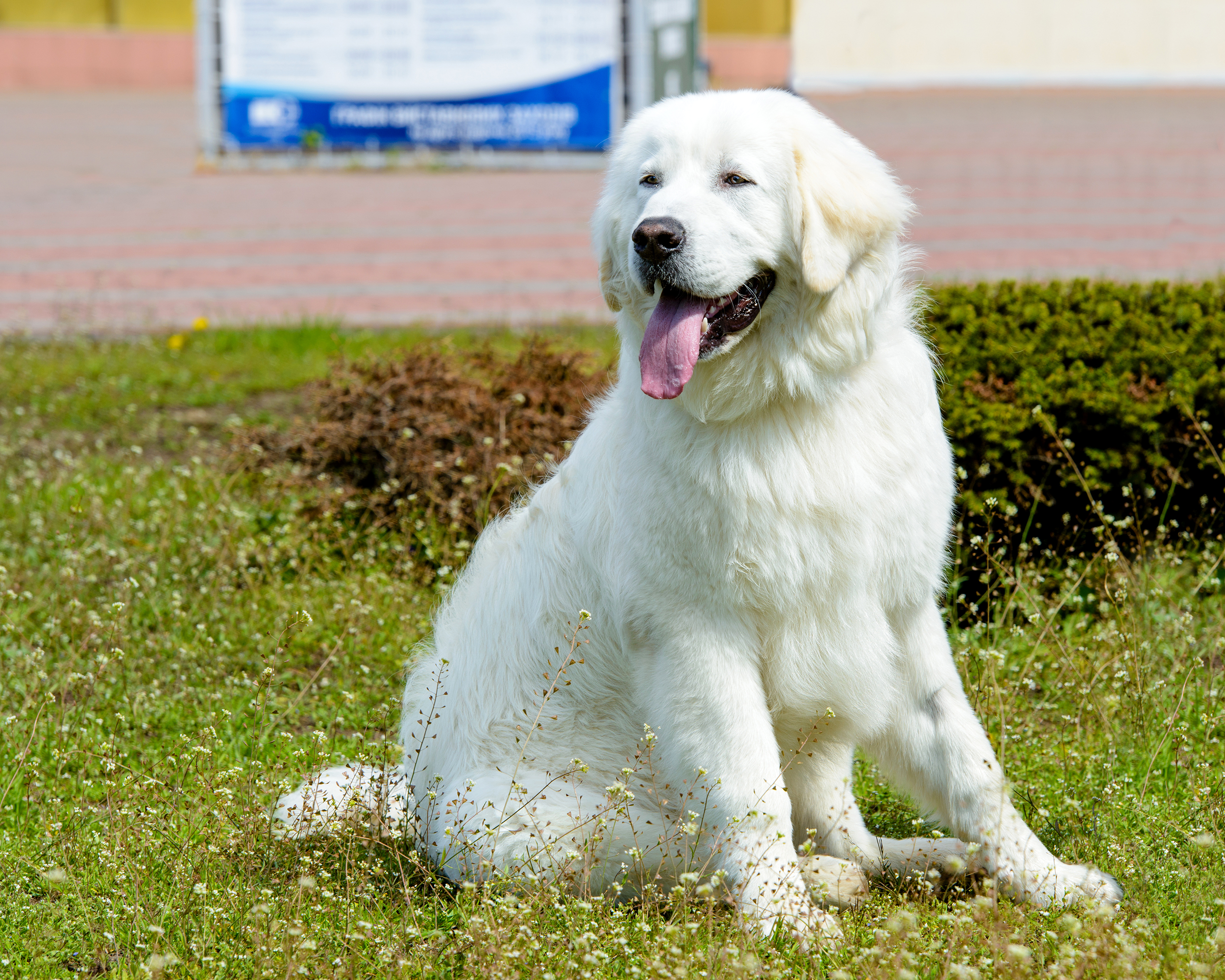
In its native Hungary, the large, gorgeously fluffy kuvasz used to be tasked with watching livestock and fending off predators. As such, a kuvasz is a great watchdog and very loyal to its owners. Still, the AKC warns this is a more temperamental, challenging breed because of its intelligence and independence, and potential owners need to start training classes early on.
Azawakh
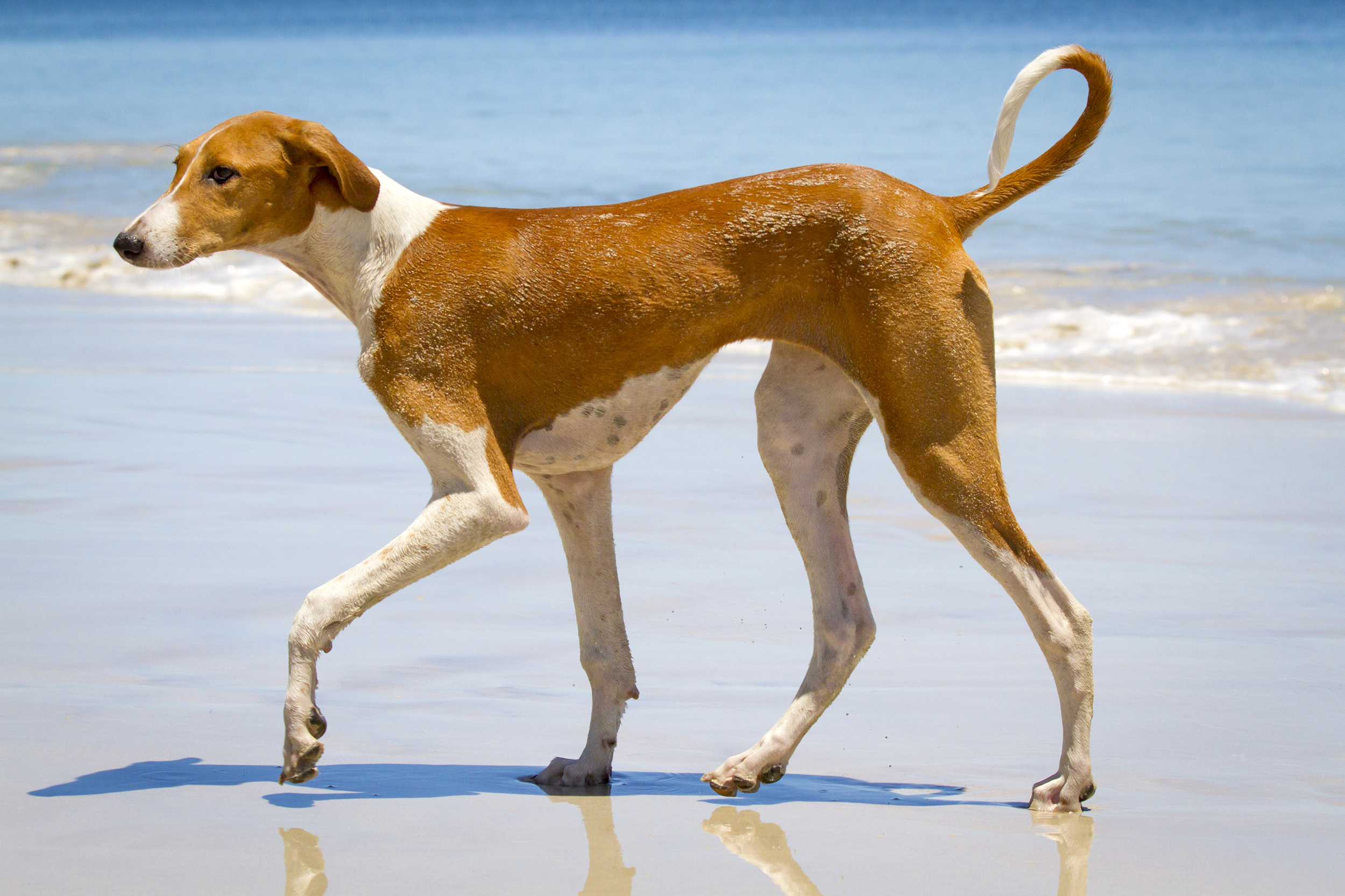
Lean and aerodynamic, the azawakh is a head-turner of a hound that has plenty of speed — good for chasing animals in its native West Africa. Want to run with your pooch? The fast, active Azawakh is recognized as a great choice, the AKC says. Though this dog requires minimal grooming thanks to its short coat, training with plenty of positive reinforcement is recommended from an early age to make it a great humans’ best friend.
Peruvian Inca Orchid
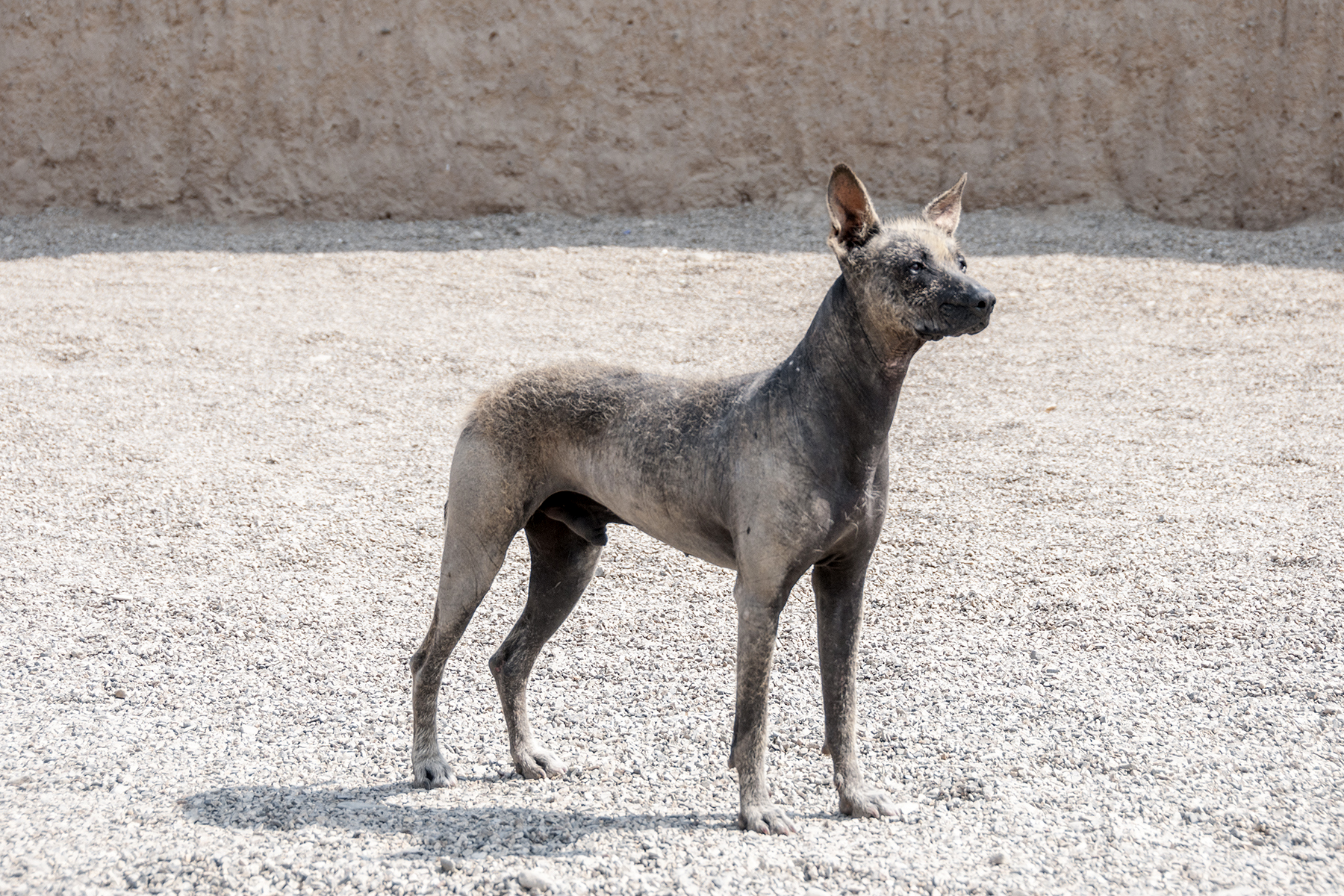
The ancient Andean cousin of greyhounds and whippets, the Peruvian Inca orchid, is a sighthound — once bred to hunt independently — that comes in three sizes with a powerful, slender body. It also comes in two coats and several colors, including a distinctive pink. This is mainly an indoor dog, the AKC advises (you’ll even need to lather up your Inca orchid with sunscreen on a sunny day). Its temperament is also somewhat of a question mark, and the breed isn’t recommended for families with small kids.
Stabyhoun
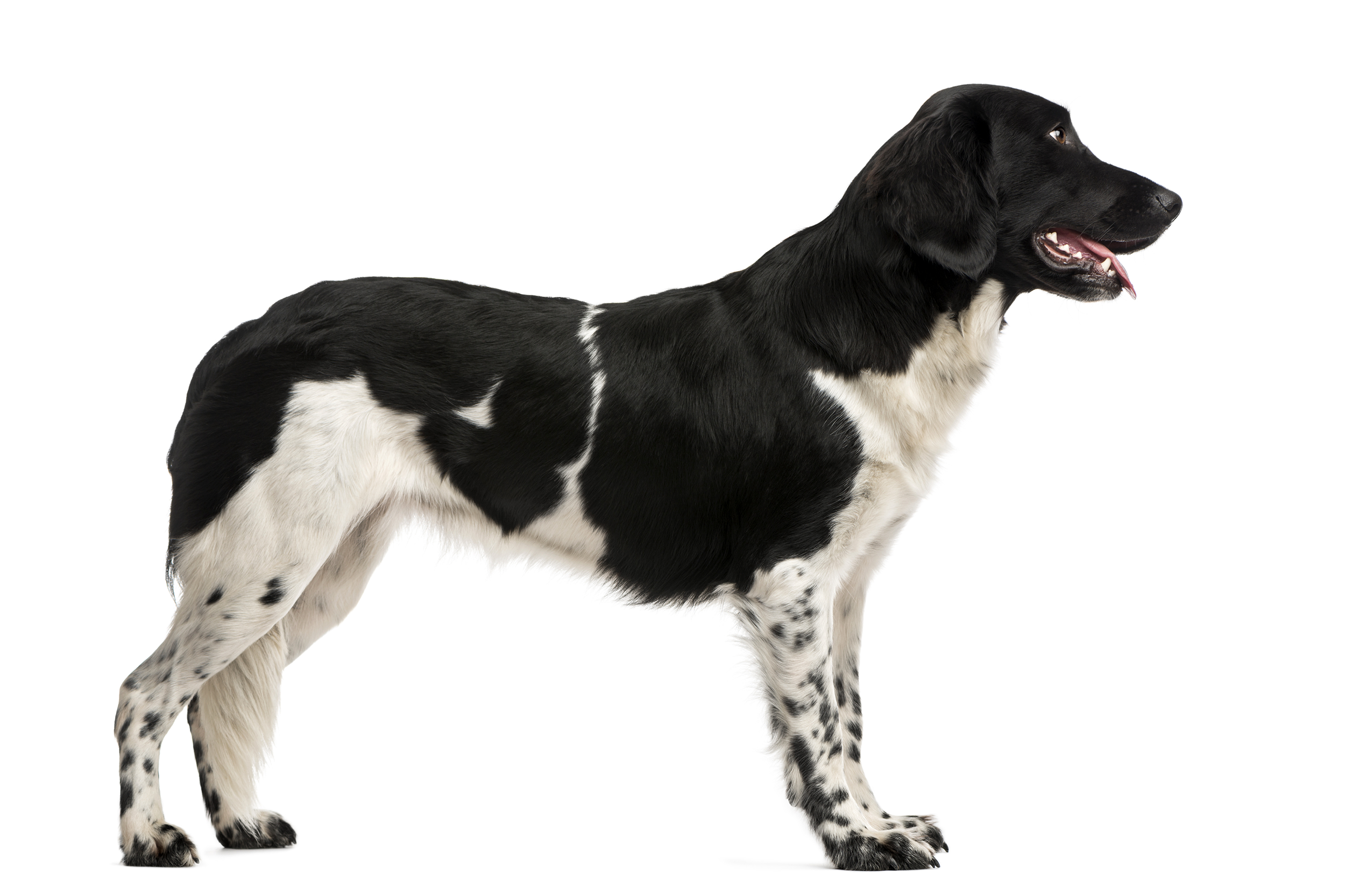
Sure, the stabyhoun may dig up your prize rose bush in a hunt for rabbits, but you can’t really blame this independent retriever for indulging its original purpose. Bred in the Netherlands, these retrievers also won’t hesitate to make a splash while going after ducks or birds. They need little grooming but plenty of exercise. While the Stabyhoun is very affectionate and smart, the AKC recommends positive training when new so an owner that won’t crush the pup’s spirit.
Norwegian Lundehund
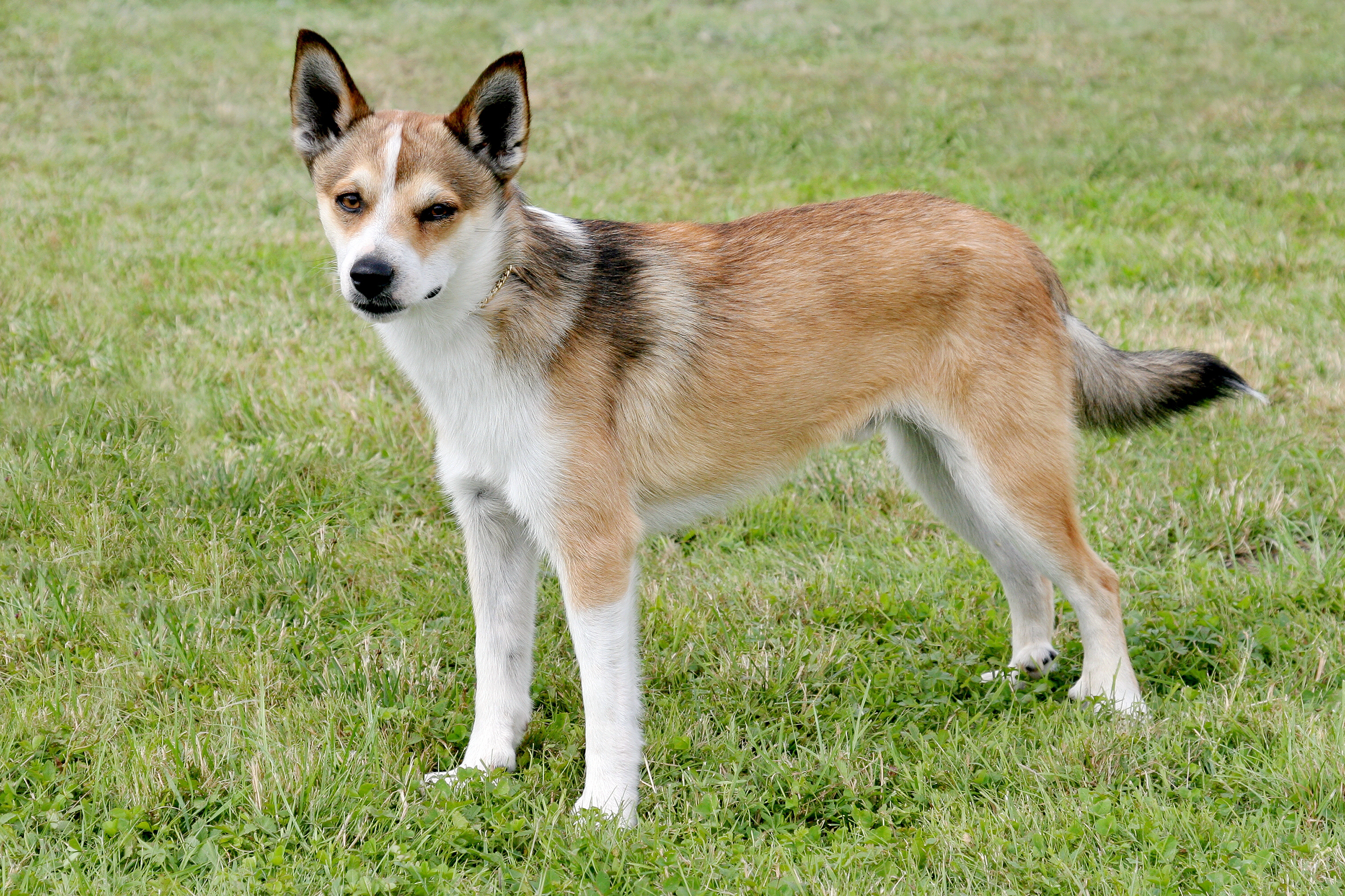
Originally bred to hunt puffins on a remote Scandinavian island, the Norwegian lundehund has several interesting traits besides its decidedly niche occupation. For instance, it has six-toed paws and an “elastic neck” ideal for bird-spotting. When it comes to training, a gentle hand is best: Though very smart and loyal, lundehunds are sensitive and “can develop trust issues,” the AKC warns.
Czechoslovakian Vlcak
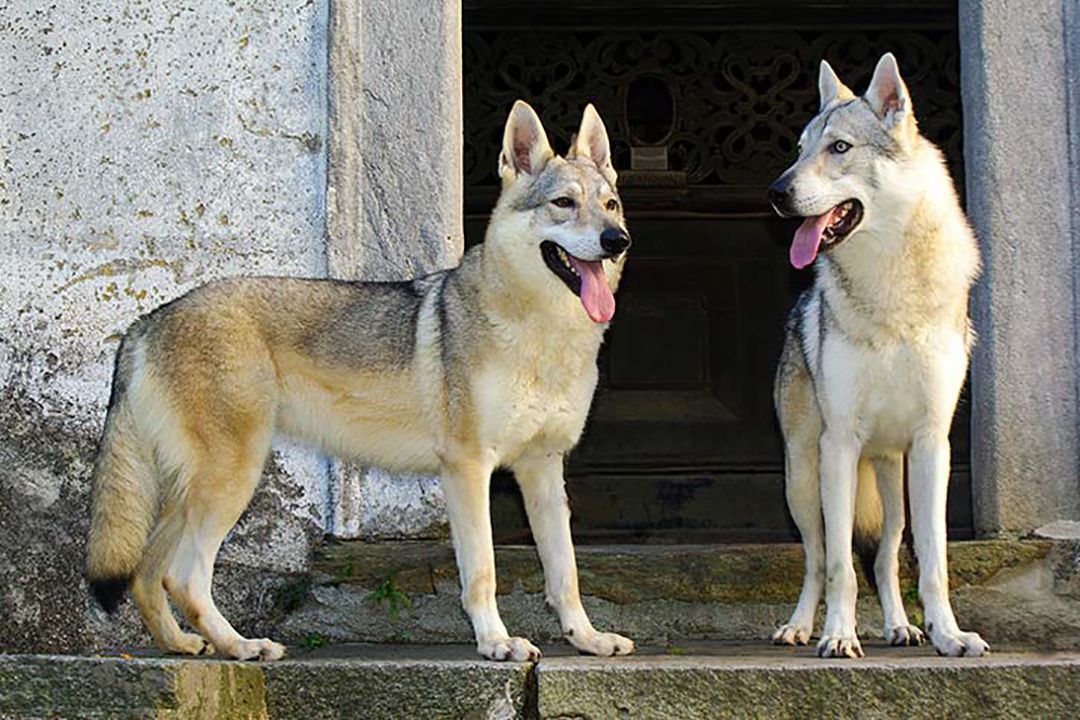
The Czechoslovakian vlcak might be the closest thing to a wolf you can legally own, so have fun freaking out your neighbors with this rare dog. But be careful: It’s not common to see them exactly because this breed is best for the most dedicated dog owners. Keep in mind that it needs a ton of exercise and plenty of mental stimulation, does best with a raw diet, and its “dominant and independent personality” can be a tough nut to crack.
Curly Coated Retriever
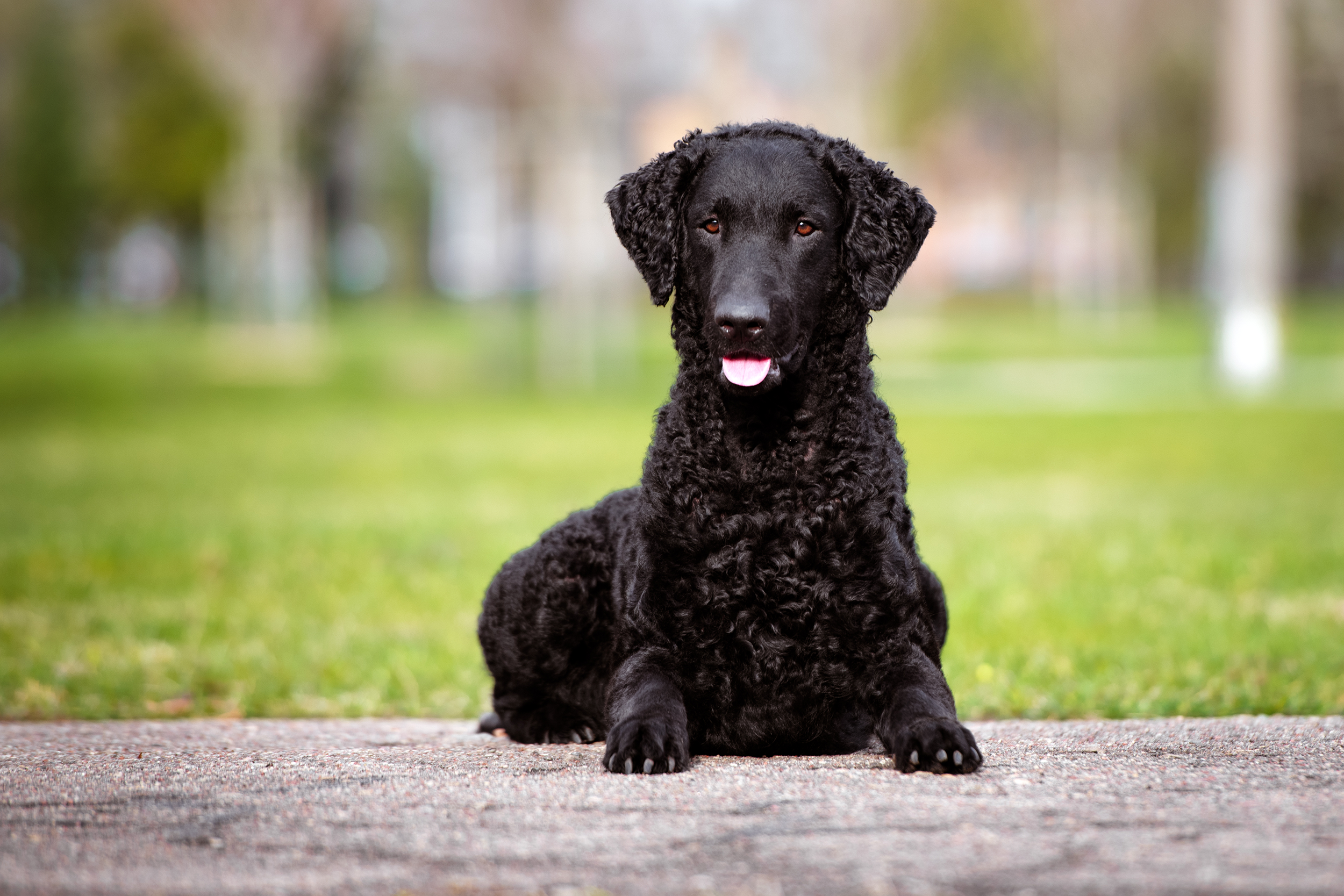
This “thinking person’s retriever” is thought to be a descendent of two extinct breeds, the retrieving setter and English water spaniel. Its distinctive curly coat serves as waterproofing for swims through frigid lakes. Recognized as an easygoing dog that’s content to relax at home as long as it gets a decent amount of exercise, a curly still needs a lot of mental stimulation to stave off boredom.
Caucasian Shepherd
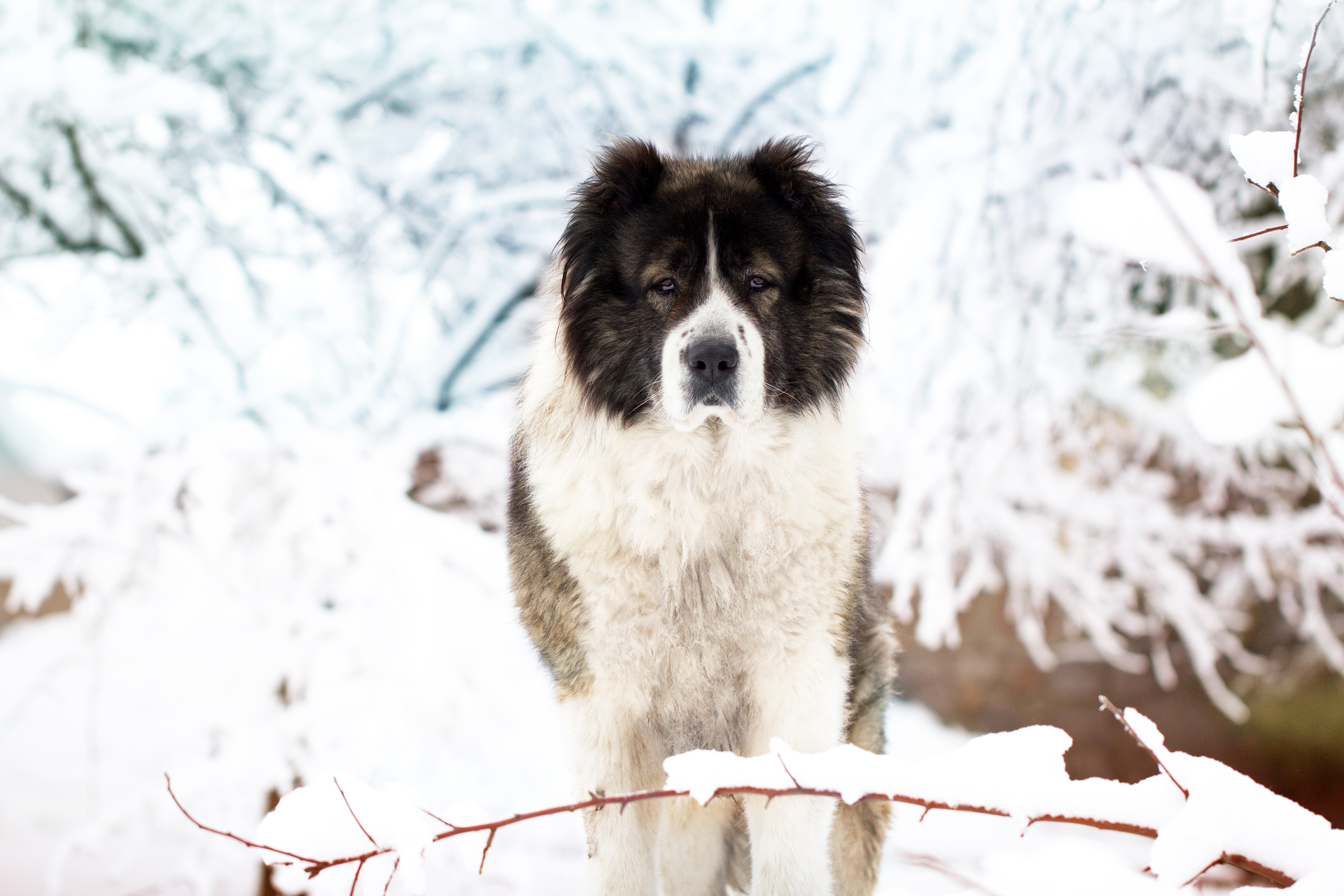
The Caucasian shepherd was bred to guard livestock and homes in all kinds of weather. Also known as the caucasian ovcharka, this fluffy dog may look like an oversized teddy bear, but it has a hard-to-train, fiercely protective nature that may make it difficult for you to have guests over … ever. It can tip the scales at 170 pounds easily and needs regular grooming, especially after running around outside, as well as high-quality food.
Thai Ridgeback
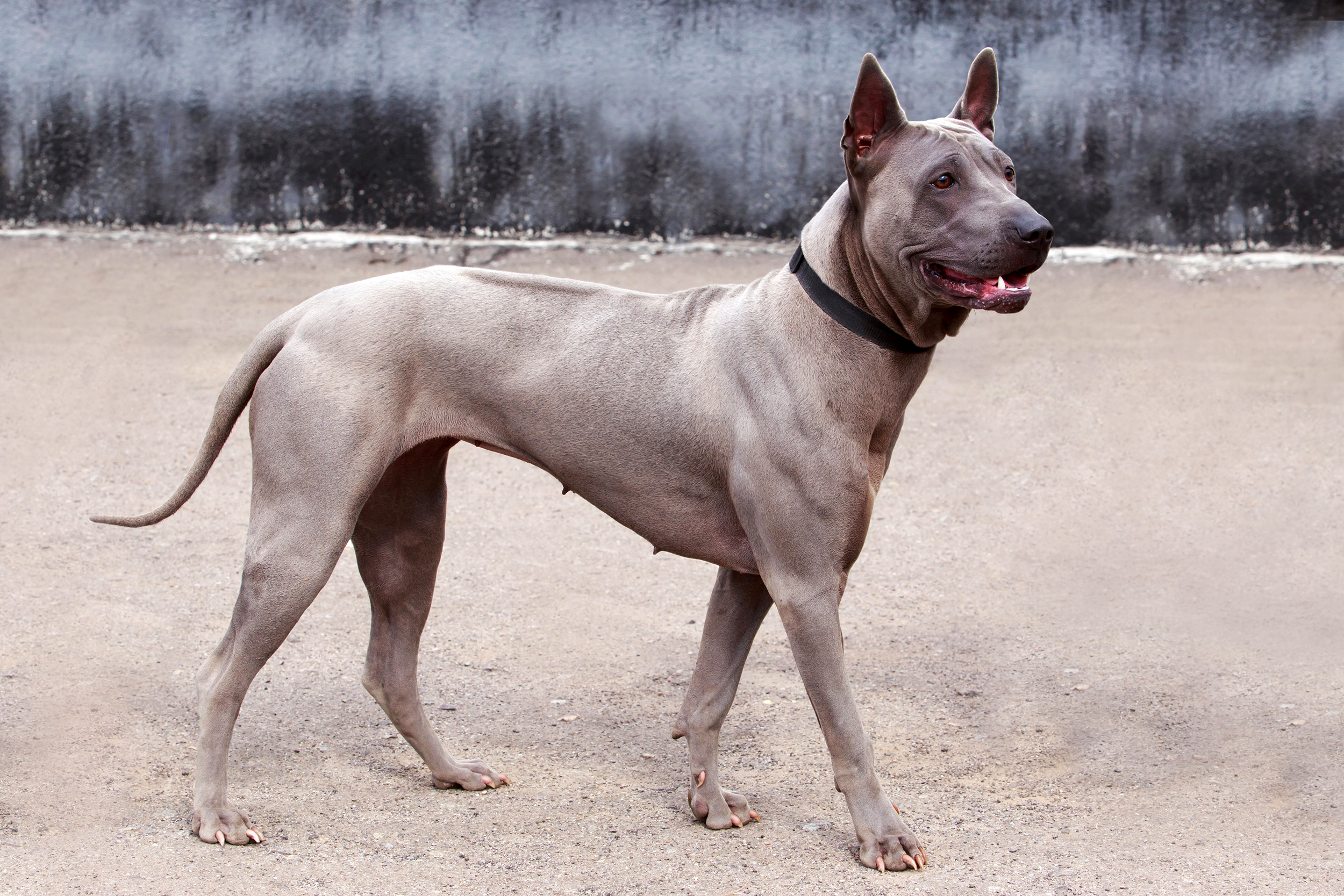
The muscular, short-haired dog Thai ridgeback was bred as a hunter and watchdog in Thailand, and remains little-seen outside that country. Ridgebacks come in several different colors, and some have a distinctive “ridge” formed by hair growing in a different direction along their spine. The AKC warns this is not a good dog for first-timers, as it “can be very independent” and is naturally quite wary of strangers.
Sloughi
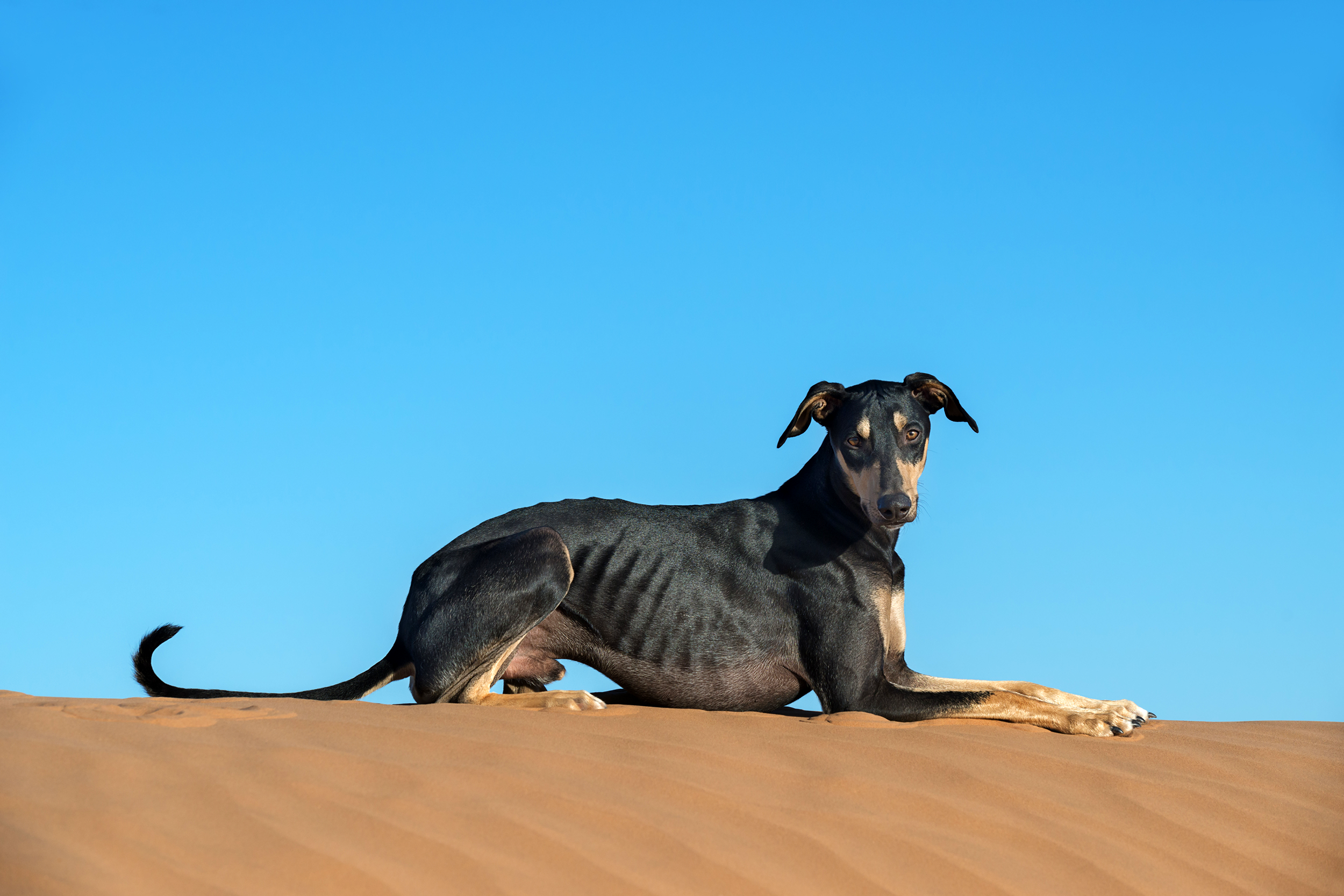
Like its close cousin the azawakh, the sloughi is an African sighthound, though its traditional territory was the northern deserts. Thought to be a favorite of Egyptian nobles and Berber kings, the sloughi’s distinct look has earned it the nickname of “the Arabian greyhound.” Prospective owners should give a sloughi plenty of exercise outside and respect their somewhat shy, reserved nature, the AKC advises.
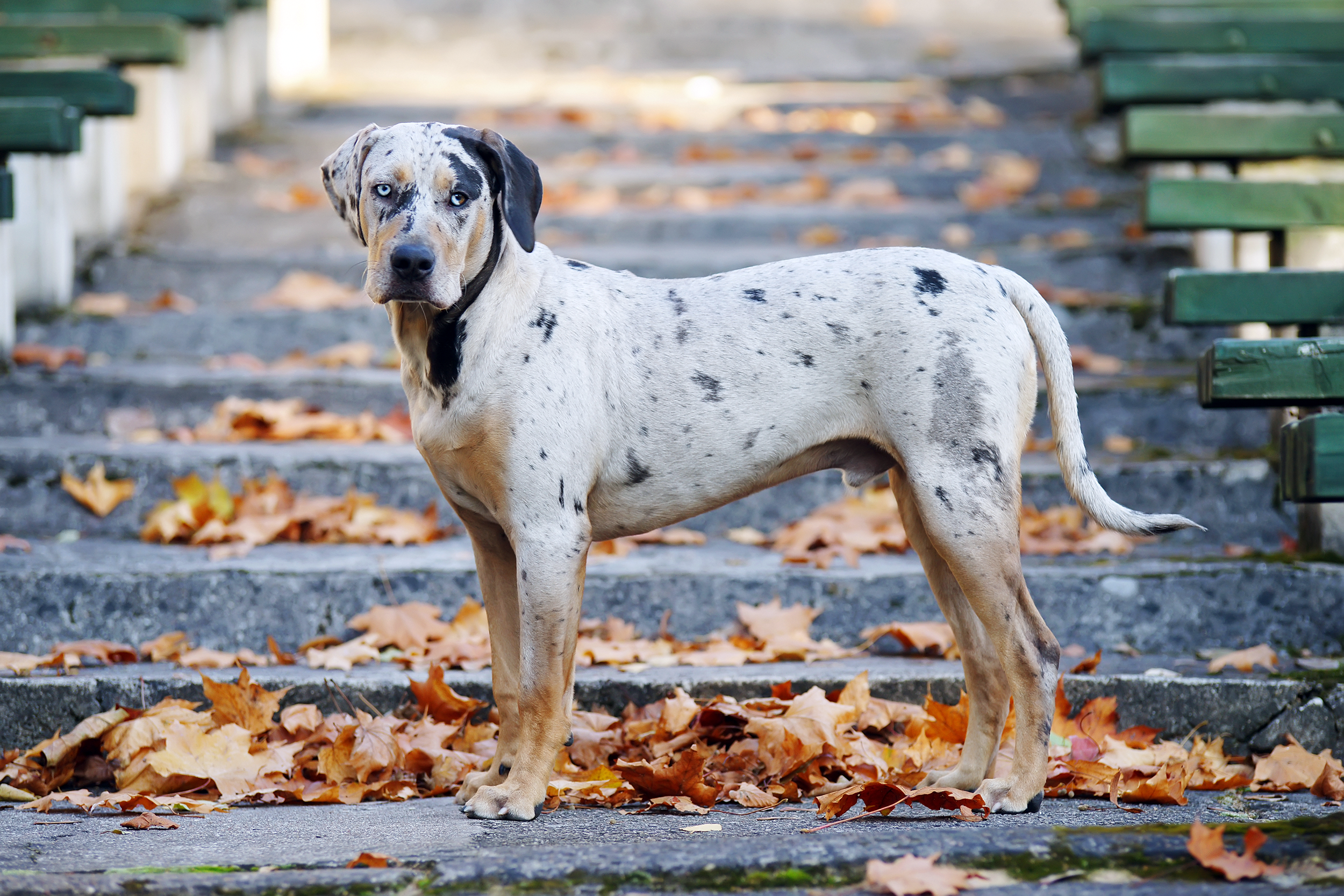
Catahoula Leopard Dog
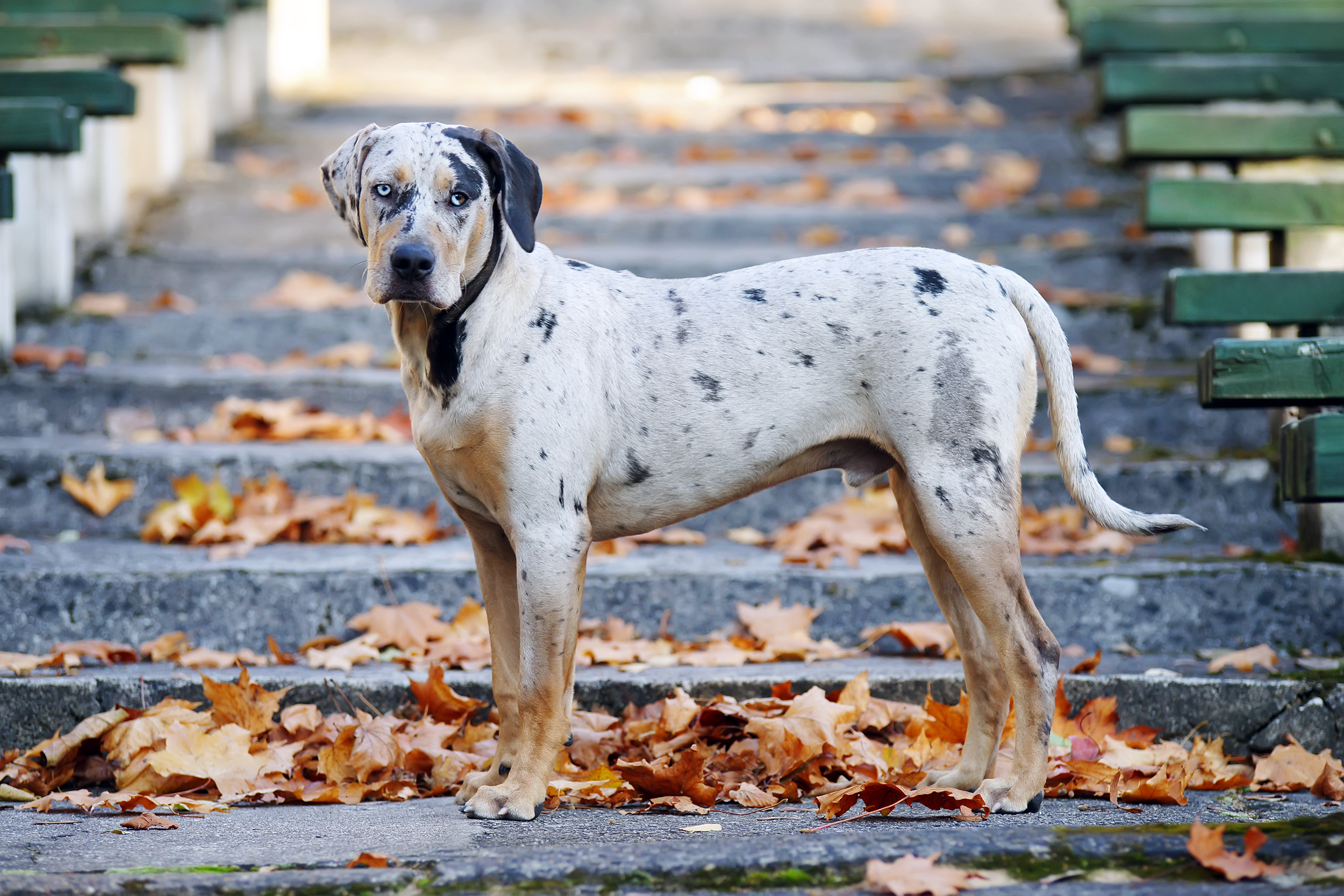
The loyal but territorial catahoula leopard dog certainly has a unique lineage. It descends from wolf-like dogs native to North America who were crossed with mastiffs, bloodhounds, and other dogs Spanish and French explorers brought to what’s now Louisiana. A patterned coat and colorful eyes make it truly eye-catching, like a leopard, but the catahoula needs plenty of training to become a house dog that won’t chew your favorite pair of shoes.
