

Close Menu
lechienrevue.com
    What's Hot

    Most dogs have some wolf DNA, scientists say. These breeds have more than others.

    February 8, 2026

    UCCS Communique – The official news publication for the University of Colorado Colorado Springs

    February 8, 2026

    Do Our Dogs Really Love Us? – American Kennel Club

    February 7, 2026

    Subscribe to Updates

    Get the latest creative news from FooBar about art, design and business.

    Facebook X (Twitter) Instagram
    Trending
    • Most dogs have some wolf DNA, scientists say. These breeds have more than others.
    • UCCS Communique – The official news publication for the University of Colorado Colorado Springs
    • Do Our Dogs Really Love Us? – American Kennel Club
    • No. 1 golden retriever, pups will greet visitors at Ligonier wellness center
    • Stories from Some of Our Longest-Serving Teammat
    • Eamonn Holmes reveals heartbreaking story behind adopting beloved pet dog Maggie 
    • U.S. Army launches K-9 Corps | March 13, 1942
    • Vet says dog owners making ‘common’ mistake that causes painful issue for pets
    Sunday, February 8
    X (Twitter) Instagram Pinterest YouTube TikTok
    lechienrevue.com
    Contact us
    • Unique breeds
    • Life style
    • Heritage
    • Stories
    • Wellness & Spa
    lechienrevue.com
    Home»Heritage»Preserving the natural heritage of wolves: a multidisciplinary approach towards effective and socially acceptable management of wolf-dog hybridization across Europe — English
    Heritage

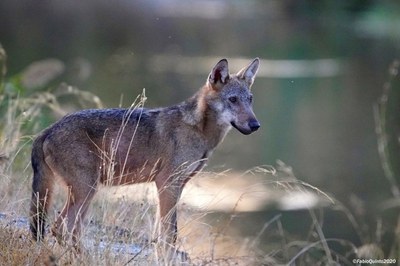
    Preserving the natural heritage of wolves: a multidisciplinary approach towards effective and socially acceptable management of wolf-dog hybridization across Europe — English

    info@lechienrevue.comBy info@lechienrevue.comAugust 24, 2025No Comments3 Mins Read
    Facebook Twitter Pinterest LinkedIn Tumblr Email
    Share
    Facebook Twitter LinkedIn Pinterest Email

    GOALS

    Through an active collaboration between conservation biology expert researchers and socio-economic expert researchers, WOLFNESS will promote the application of novel multidisciplinary genetic, genomic, demographic and social approaches to ensure the effective and socially acceptable management of anthropogenic wolf-dog hybridization.


    The main objectives of the project will be to: a) standardize the genetic and statistical analytical procedures for the identification of wolves with recent and ancient traces of hybridisation, b) quantify the proportions of admixture in the monitored European wolf populations; c) study the phenotypic effects of the domestic introgression, d) establish alternative management strategies of the phenomenon, e) evaluate the perception and social acceptance of management options of wolf-dog hybridisation, f) also evaluate the effectiveness of the current European policies in the management of anthropogenic of wolf-dog hybridisation.

    MAIN ACTIVITIES’

    Development of diagnostic tools to monitor anthropogenic hybridization and its potential effects on European wolf populations. WOLFNESS promotes novel multidisciplinary approaches, guaranteed by the participation in the project of some of the maximum European experts in the study of the biology and ecology of the wolf, to develop and apply reliable diagnostic tools to identify cases of anthropogenic hybridization between wolves and domestic dogs at continental scale and above all to evaluate the effects that this phenomenon might potentially have on the fitness and survival of wild wolf populations.


    Evaluation of the phenotypic effects of domestic introgression in wolves. WOLFNESS will adopt “next-generation sequencing” techniques that will allow us to obtain entire genomes of wolves and individuals with different levels of wolf-dog admixture, which will be analyzed to estimate the potential effects that anthropogenic hybridization might have on the behavior of wild wolves, on their ecology, their role in natural ecosystems and their interactions with humans.


    Evaluation of alternative management strategies and their social acceptability. Through a careful review of the scientific literature, direct observations within the territories of the partners involved in the project and the use of modeling and simulations, WOLFNESS will evaluate the feasibility and effectiveness of alternative strategies to manage anthropogenic hybridization. Furthermore, by analyzing psychological and anthropological aspects linked to anthropogenic hybridisation, WOLFNESS will also aim to maximize the social acceptance of a more effective management strategy of anthropogenic wolf-dog hybridisation.


    Stakeholder engagement, policy impact and awareness. The results produced by WOLFNESS will be made available to the entire scientific community and citizens, and thanks to a continuous and synergistic interactions with expert researchers, stakeholders and political decision makers, they will be used to plan correct and appropriate conservation management strategies of large carnivores within the Habitats Directive, providing valid technical, scientific and political support at both national and European level.


    Duration of the project

    03/29/2023–03/29/2026


    ISPRA is a fundamental partner of the project, contributing to coordinate many of the planned activities

    Web site of the project

    acceptable approach effective English Europe heritage hybridization management multidisciplinary natural Preserving socially Wolfdog wolves
    Share. Facebook Twitter Pinterest LinkedIn Tumblr Email
    info@lechienrevue.com
    • Website

    Related Posts

    U.S. Army launches K-9 Corps | March 13, 1942

    February 5, 2026

    How We Domesticated Dogs and They Domesticated Us

    February 5, 2026

    Literature professor explains how history changed whether people bookmark or ‘dog ear’ books

    February 4, 2026
    Leave A Reply Cancel Reply

    Top Posts

    The Dog’s Life: A Legacy of Giants in the Mountains of Turkey

    July 21, 2025109 Views

    Black people’s complicated history with dogs

    August 3, 202519 Views

    🐾 The Big Picture: Dogs on the Move

    July 19, 202516 Views
    Stay In Touch
    • Facebook
    • YouTube
    • TikTok
    • WhatsApp
    • Twitter
    • Instagram

    Join Le Chien Revue

    Inspiration, stories, and canine lifestyle — straight to your inbox.

    About us

    Le Chien Revue is more than just a publication — it’s a celebration of the timeless bond between humans and their most loyal companions.
    Founded with a deep admiration for canine beauty, history, and culture, Le Chien Revue is a digital sanctuary for dog lovers who appreciate the finer details of breed heritage, the artistry of canine photography, and the lifestyle that comes with living alongside remarkable dogs.

    Our Picks

    Most dogs have some wolf DNA, scientists say. These breeds have more than others.

    February 8, 2026

    UCCS Communique – The official news publication for the University of Colorado Colorado Springs

    February 8, 2026

    Do Our Dogs Really Love Us? – American Kennel Club

    February 7, 2026

    Join Le Chien Revue

    Inspiration, stories, and canine lifestyle — straight to your inbox.

    lechienrevue.com
    X (Twitter) Instagram Pinterest YouTube TikTok
    • About Us
    • CONTACT US
    • Privacy Policy
    • Terms & Conditions
    • Disclaimer
    © 2026 Le Chien Revue. All Rights Reserved.

    Type above and press Enter to search. Press Esc to cancel.