


Two major rules come into force – one about keeping pets and the other impacting anyone walking their dog
Pet owners have been warned of two major changes to laws coming in the next few months in the UK. People who fail to obey the rules could be fined and have their pets seized.
The new laws are around people who keep primates – and also there are penalties which could impact anyone walking their dog. The Animal Welfare (Primate Licences) (England) Regulations 2024 will come into force on 6 April 2025, with a one-year transition period. From 6 April 2026, anyone keeping a primate privately in England will need to hold a licence and meet welfare standards equivalent to those required in zoos.
The licensing requirements apply to the following species: Marmosets, Tamarins, Squirrel monkeys, Spider monkeys, Capuchin monkeys,Lemurs, Lorisids (also known as bush babies).
Councillor Andrew Last, Cabinet Member for HR, Corporate and Regulatory Services at Northampton Council, issued an alert: “These changes are about putting animal welfare first and recognising that primates have highly complex needs. Our priority as a Council is to make sure people are aware of what’s coming, understand the standards required, and have time to plan ahead. We want to support owners with clear information and guidance so that no one is taken by surprise when the licensing scheme comes into effect.”
Anyone who currently keeps a primate, or who may be affected by the changes, is encouraged to seek advice early and review the licensing conditions well in advance of April 2026.
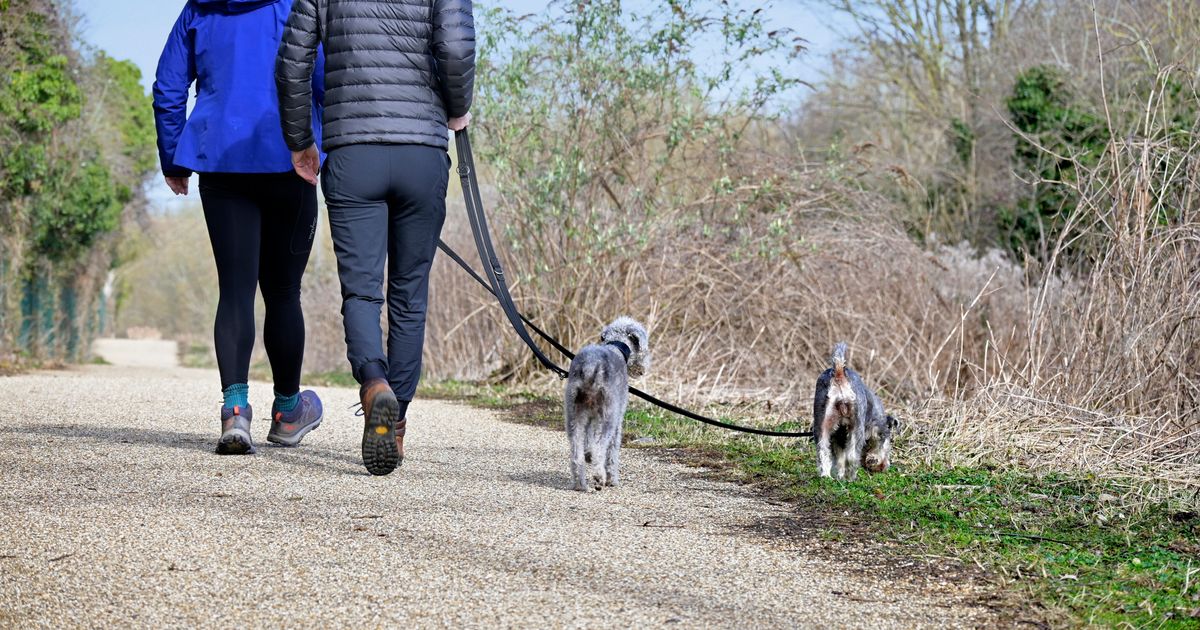
New laws for dog walkers are coming into force in March and pet owners will face unlimited fines and up to a year in prison, as well as seeing their dogs seized. Updated laws are coming into force on March 18, 2026 – extending police powers and meaning dog owners can face huge penalties if their pet breaks the rules.
The law change is around people who let their dogs attack livestock and will see potential fines rise from £1,000 to unlimited, and ‘the power to seize and detain a dog where they have reasonable grounds to believe there is a risk that the dog could attack or worry livestock again.’
The Department for Environment, Food & Rural Affairs said: “Livestock worrying can happen when a dog attacks, chases or is loose among livestock. Dogs don’t need to make contact for harm to occur. Fear and stress alone can harm livestock, and, in severe cases, cause them to die.
“The impact on livestock keepers can be devastating. They face financial loss as well as personal distress.”
Dog walking changes
The act which comes into force on March 18 is worded so that attacking livestock is treated separately from worrying livestock. This reframing helps make the violent nature of livestock attacks much clearer. It doesn’t create a new offence as both behaviours are already covered in the 1953 act, but it does make the distinction explicit
Rules include:
introduces a new defence for dog owners to exempt them from liability where the dog was in the charge of another person at the time of the offence without the owner’s consent, for instance if the dog was stolenintroduces new powers allowing a court to order an offender to pay expenses associated with seizing and detaining a dogprovides a clear deterrent by increasing the penalty from a fine of up to £1,000 to an unlimited fine
In addition, the law gives police new and improved powers to improve their investigations, including:
the power to seize and detain a dog where they have reasonable grounds to believe there is a risk that the dog could attack or worry livestock again. The dog can be detained until an investigation has been carried out or, if proceedings are brought for an offence, until those proceedings have been determined or withdrawnthe powers to enter and search premises to identify, seize and detain a dog for the prevention of future incidents, to collect samples or impressions, or seize any other evidence
For more information on the dog walking law click here.
Licensing process for keeping primates
Law comes into force in England after April 6 2026. Local authorities are responsible for administering and enforcing this licensing regime. Local authorities must make sure that:
individuals who apply for a licence are likely to meet the licence conditionslicences are not granted to individuals that are disqualified from keeping primatesthey take appropriate enforcement action against those individuals who do not have a licence when they shouldthey monitor compliance with the licence conditions themselves
For more information on the primate law click here.
