


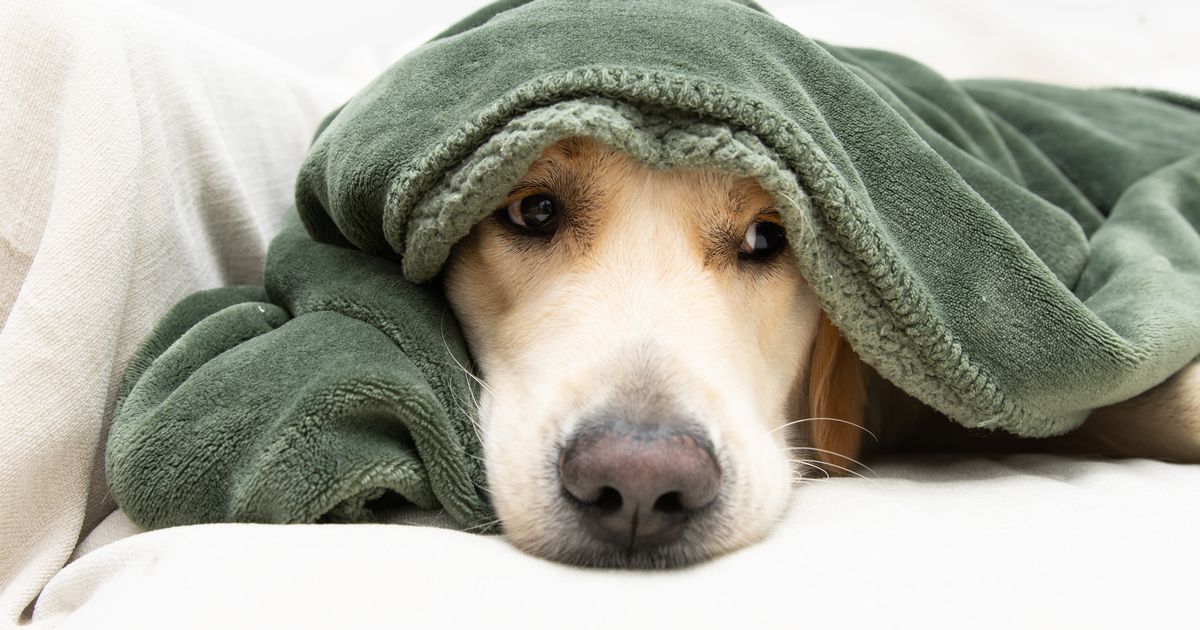
Fireworks can be extremely stressful for pets especially during New Year’s Eve. Here are some things to do to make sure your pets feel comfortable this New Year’s
Pet owners are being warned to plan ahead before the year’s end as fireworks in the run up to New Year’s Eve can start unexpectedly, triggering intense fear in animals at home. Unlike organised displays, fireworks set off on New Year can happen at any time, making them particularly stressful for pets.
Vets say unpredictability is a major factor in why animals struggle, especially on dark winter evenings when sounds travel further and pets are spending more time indoors. A UK vet group described firework season as ‘weeks of unexpected loud noises and worry for owners”.
An RSPCA submission to the government estimated that 45 per cent of dogs show signs of fear when they hear fireworks. A separate animal welfare briefing, citing a Dogs Trust survey of over 18,000 dog owners, found that nearly 9 per cent reported their dog escaped due to fireworks, almost 13 per cent said their dog attempted to run away, and 2 per cent said their dog was injured during the celebrations.
One loud bang can turn an ordinary evening into a frantic scramble to prevent a pet bolting through a door, slipping through a gate, or hurting themselves while trying to hide.

According to IMSR, in the days leading up to New Year, many pet owners search Google with phrases like “dogs scared of fireworks,” “how to calm downs during fireworks,” “cat hiding fireworks” and “fireworks phobia vet help.”
These searches tend to spike after unexpected fireworks in local areas, reflecting a need for quick steps that can be taken immediately, as well as guidance on when it may be time to speak to a vet.
What fear looks like in pets
Fireworks don’t just upset animals – they can provoke sudden changes in behaviour. Dogs may tremble, pant, pace, whine or try to hide, while cats may retreat to cupboards or under beds and refuse to come out.
Rabbits and guinea pigs can also be affected by loud noise and vibrations. Charities that support pet welfare have long warned that fireworks can be frightening for animals and advise owners to make a plan for noisy nights.
Common mistakes owners make
The most common problems happen during busy evenings. One frequent error is leaving dog walks too late. The Blue Cross recommends walking dogs earlier in the day while it’s still light, reducing the chance of being outside when fireworks start.
They also suggest drawing curtains and using TV or music to muffle sounds. Another common mistake is leaving doors or windows open while guests arrive, giving a startled pet the opportunity to escape.
The injury and escape figures reported in the Dogs Trust survey are a reminder that fear can quickly become a safety incident.
A simple winter checklist for households

With New Year celebrations approaching, experts say preparation is best done before the first bang:
Bring cats indoors before dark and keep them in a quiet room if possible.Walk dogs earlier in the day, then keep them inside during peak noise hours.Close curtains, keep lights on in the safe room, and use TV or music to reduce outside noise.Set up a den with bedding and familiar items well before fireworks are expected.Check collars, tags, and microchip details are up to date, because escapes do happen.
IMSR also emphasised that households should prioritise guidance from recognised veterinary bodies and animal charities, as well as speaking to a local vet if a pet’s fear is severe or getting worse year after year.
