


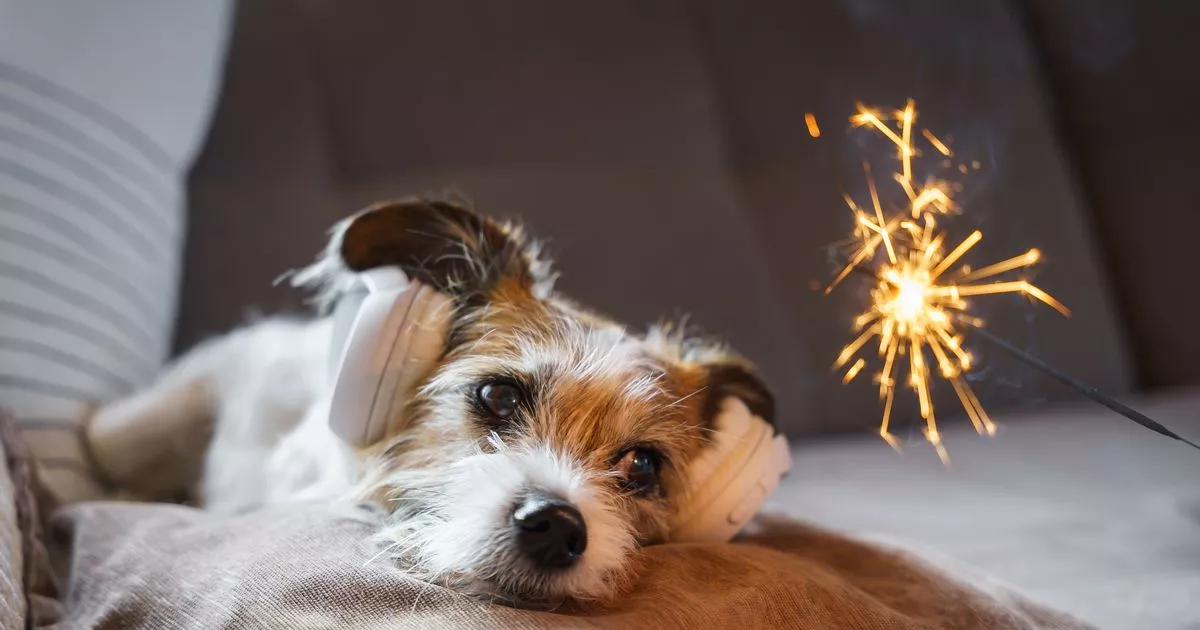
An veterinary surgeon has suggested these tips for helping your pet stay calm through the noise and lights of Bonfire Night
As Bonfire Night approaches, many look forward to fireworks, bonfires and gathering together to watch the sky light up. However, for millions of pets across the UK, it can be one of the most stressful nights of the year.
According to recent research, 41 per cent of UK dog owners say their dog is afraid of fireworks, while 64 per cent of cat owners report signs of stress such as hiding or shaking on Guy Fawkes Night. With over half of UK adults (51 per cent) owning a pet, learning how to keep their animals safe during the festivities is more important than ever.
To help, Dr Sarah Page-Jones, Head Veterinary Surgeon at Pet Drugs Online, has shared her expert advice for supporting pets through the noise and lights of Bonfire Night from creating safe spaces to offering calming distractions.
Dr Page-Jones reveals the one the reason behind your furry friends irrational fear of fireworks. She explains: “Fear in dogs and cats is a vital survival mechanism and part of the fight-or-flight response.
“Different things scare different pets, but many animals fear loud noises and flashing lights, so fireworks can be incredibly overwhelming. This is mainly because your pet cannot understand what is happening and may perceive fireworks as threatening.”
Although it seems most cats and dogs are scared of fireworks, there isn’t just one over all solution as different natured animals can find comfort in different things.
“There is no one-size-fits-all solution for reducing fireworks anxiety; what works for one pet might not work well for another. However, at least one of these tips should help your furry friend,” Dr Page-Jones says.

Instead she has suggested six practical steps to help keep pets safe and calm this Bonfire Night.
Close the curtains and windows
“Fireworks are loud, bright and stimulating. Keeping windows and curtains closed can help muffle the sound and block the light. While it might not offer a complete soundproofing solution, it can make a big difference in helping your pet stay calm,” the vet explains.
Provide a safe space
Dr Page-Jones, suggests: “Pets thrive on feeling safe, and creating a cozy, warm spot, like their crate or a cat cubby, can offer them a sense of security. Before evening sets in and fireworks begin, set up a peaceful retreat where your pet can unwind.
“Try to avoid forcing them to stay put, as restricting anxiety-driven behaviours like pacing or hiding can actually heighten their stress.”
“A safe space can be a crate or even a spare room with hiding places where your pet feels comfortable and secure. Some pets may prefer to stay close to you, or at least be in your line of sight, if so, ensure that you remain close to them at home throughout the evening.”

She recommends: “For pets that do struggle to settle, sprays and diffusers, like the CALMEX Calming Diffuser Refill for Cats & Dogs, can be highly effective for managing anxiety in cats and dogs.”
These products are intended to mimic natural scents that provide reassurance comfort to your pet, making the environment more peaceful in the moment. The scent costs £11.48 for a 40ml bottle.
Offer them distractions
“Sometimes the best way to help your pet is to focus their attention elsewhere; in some cases, this can prevent them from reacting in the first place. Make sure you walk your dog early while it’s still light so they’re more tempted to rest, and bring your cat indoors before dark so you know where they are,” the vet explains.
She suggests interactive or food-based toys from the brand KONG are “perfect” for distracting your pet.
Dr Page-Jones also recommends a a LickiMat explaing that it “encourages lapping, which can promote the release of endorphins and serotonin, which can help reduce anxiety and promote calmness.”
Put on music or the TV

Sometimes is can be as simple as putting on a radio or blasting the TV. The vet states: “To help muffle the sounds from outside, try turning TVs or radios on and creating a familiar atmosphere.
“Classic FM announced earlier last week that they would be bringing back ‘Pet Classics’ on Bonfire Night, for its eighth year running, to help furry friends.”
Don’t tell your dog off
Dr Page-Jones emphasises that it is important not to give your dog into trouble for there anxious behaviour.
She explains: “Bonfire Night is a very confusing time for pets, while we as humans understand that fireworks aren’t a threat, our pets don’t realise this.
“It can be frustrating and upsetting to have a distressed animal, but raising voices will only make their fear worse in the long run. Try to stay calm and act normally; pets take direction from us, so staying calm can help them feel safer.”
Join the Daily Record WhatsApp community!
Get the latest news sent straight to your messages by joining our WhatsApp community today.
You’ll receive daily updates on breaking news as well as the top headlines across Scotland.
No one will be able to see who is signed up and no one can send messages except the Daily Record team.
All you have to do is click here, select ‘Join Community’ and you’re in!
We also treat our community members to special offers, promotions, and adverts from us and our partners. If you don’t like our community, you can check out any time you like.
To leave our community click on the name at the top of your screen and choose ‘exit group’.
If you’re curious, you can read our Privacy Notice.
Speak to your vet
If you have already tried the first five suggestions and your pet has anxiety, not just around Bonfire Night, then Dr Page-Jones recommends speaking to the vet.
She explains: “They can offer advice, recommend calming solutions, and potentially prescribe medications to help ease your pet’s stress during this time. Preparing ahead can make a big difference in keeping your pet comfortable and safe.”
