


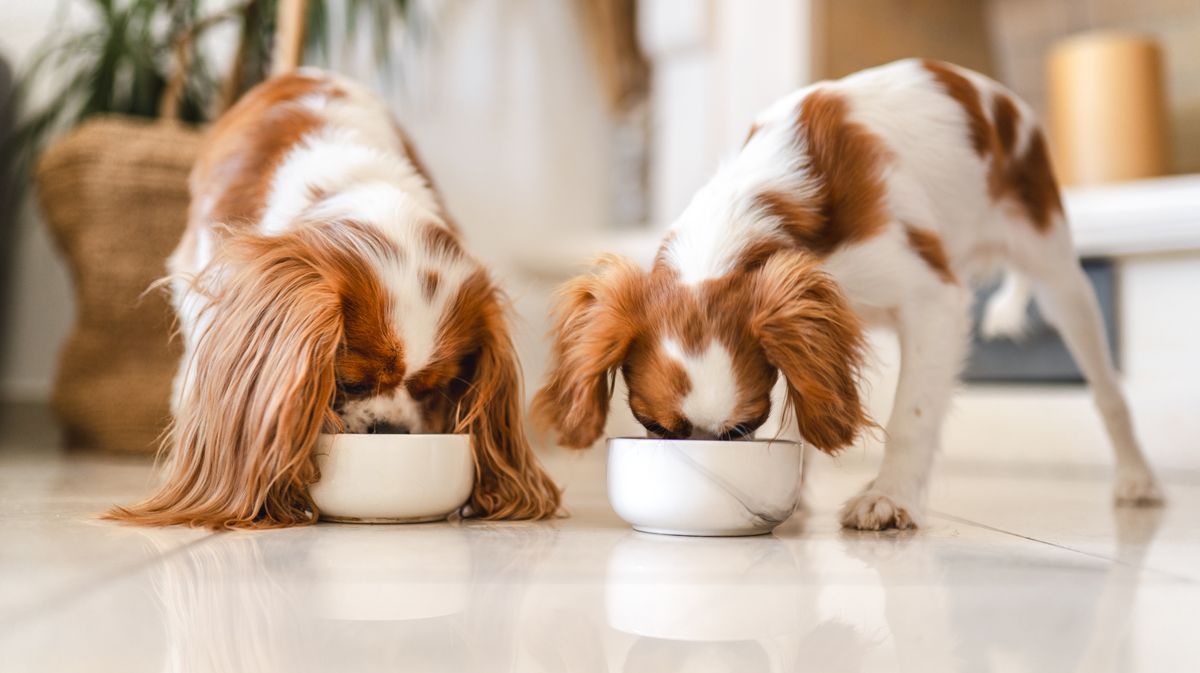
People have been told that it could cause some dangers many may not be aware of
Dog owners have been warned to be very careful with not only what they feed their dog, but also how they serve it.
One common option is feeding your pet raw food, which is becoming more popular online. But according to Food Standards Agency (FSA) raw pet food, especially raw meat, can carry harmful bacteria that cooking would normally eliminate.
It explains: “Raw pet food is pet food that is made up of unprocessed or uncooked meat, offal and raw bone. It sometimes includes other uncooked ingredients such as fruits, vegetables, oils, nuts, seeds and raw eggs added. It may not always be obvious that products contain raw meat.

Some food may be dangerous of not handled right(Image: Getty)
“Raw pet food, particularly meat, may contain pathogens or bacteria that could cause illness that would normally be killed during the cooking process. Feeding raw pet food introduces extra risks, not just to your pet’s health but also to people in your household.”
Even with careful handling, raw pet food carries a higher risk of cross-contamination than other types. Harmful bacteria like E. coli and Salmonella can spread through the food or the pet, and infected pets may pass these infections to their owners, the experts stress.
Reasons some use raw food
Experts at PDSA (People’s Dispensary for Sick Animals) explain that many owners choose raw diets because they believe they’re more “natural”, but there’s no scientific evidence that they’re better than traditional pet food, it claims. It says: “Owners who feed their dogs or cats a raw diet often claim that they see a lot of good changes in their pet.
“This can range from a glossier coat and more energy, to less smelly poos! But a lot of the apparent benefits of raw diets can be easily achieved by making sure you’re feeding your pet any balanced, age-appropriate diet.”
PDSA also states that raw feeding can be risky, especially if made at home, as it may not be nutritionally balanced. It adds that as well as harmful bacteria that can make pets and people ill, bones can cause choking, injuries, or digestive problems.
It said: “The benefits of raw feeding over traditional pet food have not been proven. The arguments for raw feeding are based on the experience of individual owners rather than official studies on lots of pets showing a real difference.”
Can humans get sick from handling raw dog food?
Young children, especially under 5, are more likely to get sick because they often put things in their mouths and have developing immune systems. They should not handle or eat raw pet food, and if they do come into contact with it, their hands should be washed thoroughly with soap and water.

Questions have been raised about the food given to pets(Image: Getty)
Older adults and people with weakened immune systems are also more vulnerable to infections from harmful bacteria. They should follow strict hygiene and safe handling practices, including thoroughly washing hands with soap and water before and after handling raw pet food or treats, and after contact with pets.
How to reduce the risk of cross-contamination
The FSA warns that improper handling of raw pet food can lead to illness. To reduce risk, it’s essential to follow good hygiene, safe storage, and proper handling practices. “You should follow the same practices to avoid cross-contamination that you would when preparing and handling food for humans”, it added.
Try to follow these steps and recommendations:
Wash your hands with soap and hot water immediately after handling and preparing any raw pet food or treatsStore and defrost pet food and treats away from where human food is stored and preparedClean and disinfect all surfaces that the raw pet food has touched, such as work surfaces, storage containers, utensils and feeding bowlsFreeze raw pet food until it is required, and label it clearly so that you know exactly what it isUse dedicated utensils and containers for handling and storing raw pet food. Do not interchange with utensils and containers used for human food. Clean these thoroughly after use.If you have made fresh raw pet food and want to store it in the fridge short-term, then make sure it is clearly labelled in a sealed containerKeep raw pet food away from other food in the refrigerator or freezer, and store on the lowest shelf of the fridge to avoid drips transferring onto human foodDefrost frozen pet foods away from human food, food preparation surfaces and equipment. Keep your defrosting raw pet food clearly labelled in a sealed containerThrow away any raw pet food that is not eaten as soon as reasonably practicalThoroughly clean any surfaces that the raw food may have fallen on after your pet has eaten
