


The American Kennel Club has expanded its roster of recognized dog breeds by three, welcoming a French hunting hound, a U.S.-developed terrier, and a Russian companion dog as it marks the start of 2026.
The additions — the Basset Fauve de Bretagne, Teddy Roosevelt Terrier, and Russian Tsvetnaya Bolonka — bring the total to 205, allowing these established but lesser-known breeds to participate in AKC competitions and events across the country.
While the dogs have long histories abroad or in niche U.S. circles, full recognition reflects growing American populations and active owner communities.
“We are excited to welcome the Basset Fauve de Bretagne, Russian Tsvetnaya Bolonka, and Teddy Roosevelt Terrier to the registry,” said Gina M. DiNardo, AKC president and CEO. “As always, it’s extremely important to do your research to find a breed that matches your lifestyle. Each of these three breeds is unique, giving prospective dog owners even more options to find the right dog for them.”
The Basset Fauve de Bretagne, joining the Hound Group, descends from 16th-century French hunting lines where it pursued various game. Also called the Fawn Colored Brittany Basset, it stands 12.5 to 15.5 inches tall and can weigh up to 39 pounds, with stamina suited for extended hunts. As companions, these dogs are cheerful, intelligent, and eager to please, thriving on social interaction and twice-daily brisk walks. Their coarse, wiry coat repels dirt, needs weekly combing and brushing, and may require hand-stripping if it gets too long.
Cindy Hartman, a South Carolina trainer who imported the breed from France in 2001 and has prepared about 20 as medical alert service dogs, praised their capabilities.
“They’re wicked smart, and so if you’re wanting a dog that’s just going to lay around all day long, a fauve is not for you,” Hartman said, according to Fox 4 KDFW.
The Teddy Roosevelt Terrier enters the Terrier Group, bred in the United States for controlling vermin on farms and in homes. Recognized as distinct since 1999, these small- to medium-sized dogs stand 8 to 14 inches tall and weigh 8 to 25 pounds, displaying boundless energy, endurance, and a protective streak, with pack instincts. They are lively, friendly, and affectionate toward family, needing regular exercise but minimal grooming beyond weekly brushing.
Cindy Rickey, secretary of the American Teddy Roosevelt Terrier Club in Waynesville, North Carolina, highlighted their engaging personality.
“They know how to get you to laugh,” Rickey said, per Fox 4, adding that, unlike many terriers, they excel in obedience competitions.
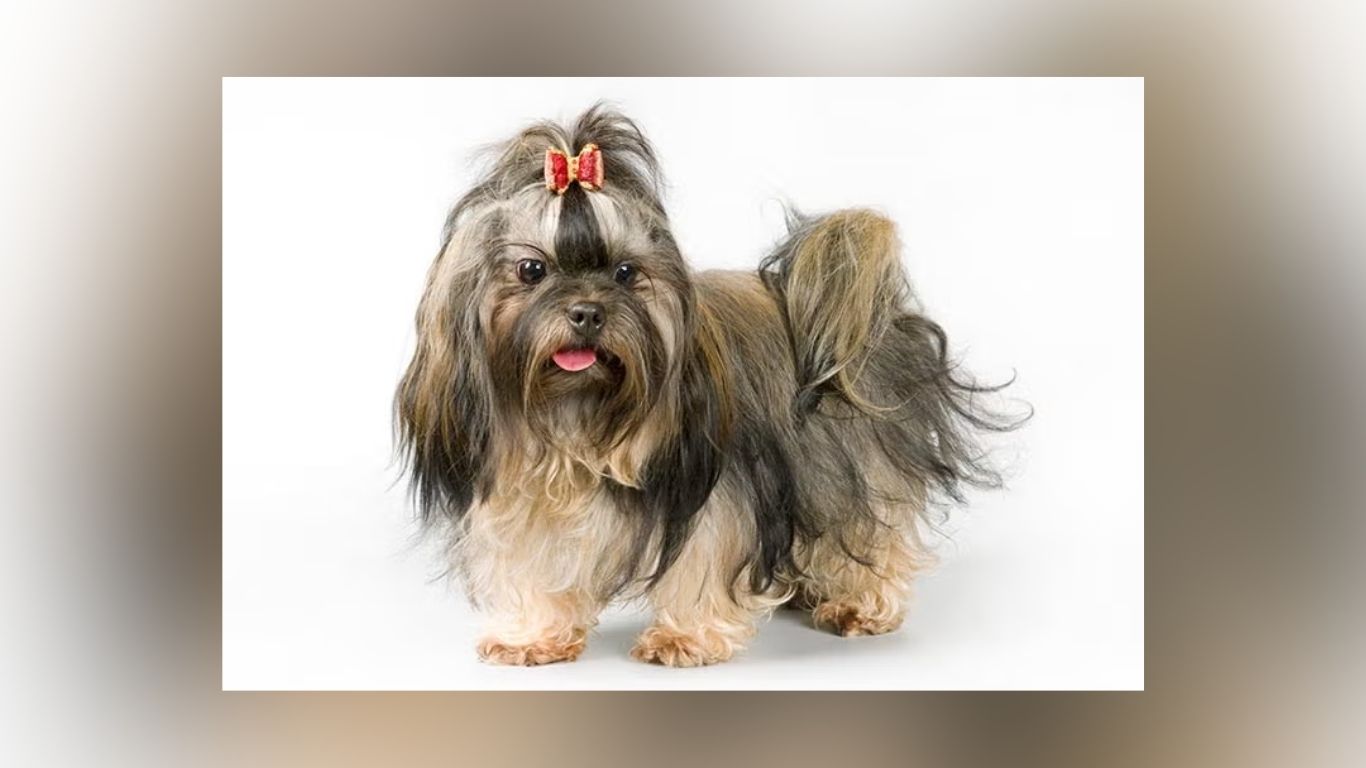
From Russia, the Russian Tsvetnaya Bolonka joins the Toy Group, originating in post-World War II Leningrad for apartment dwellers. These compact companions top out at 10¼ inches tall and 7 to 9 pounds and are known for being sweet, loving, and friendly, with good compatibility around children and other dogs. Clever and more independent than typical toys, they are deeply loyal and content with light exercise, such as walks or play sessions. Their thick, wavy coat demands brushing several times weekly to avoid matting, plus baths every couple of weeks.
Denise Dang, secretary of the Russian Tsvetnaya Bolonka Club of America in Oklahoma City, described the experience: owning one is like “having a 3-year-old kid running around your house,” Fox 4 reported. U.S. fans have built the breed’s presence since the early 2000s.
To earn AKC status, breeds must demonstrate a dedicated following, an established club of responsible breeders and owners, and a widespread U.S. population. They begin in the Foundation Stock Service before advancing. Recognition enables entry into over 26,000 annual AKC sports and shows, while providing breed standards to guide ethical breeding and help match dogs to suitable homes.
The nonprofit AKC, the world’s largest purebred and mixed-breed dog registry, advocates for canine welfare and responsible ownership. More details on the recognition process are available at www.akc.org.
