


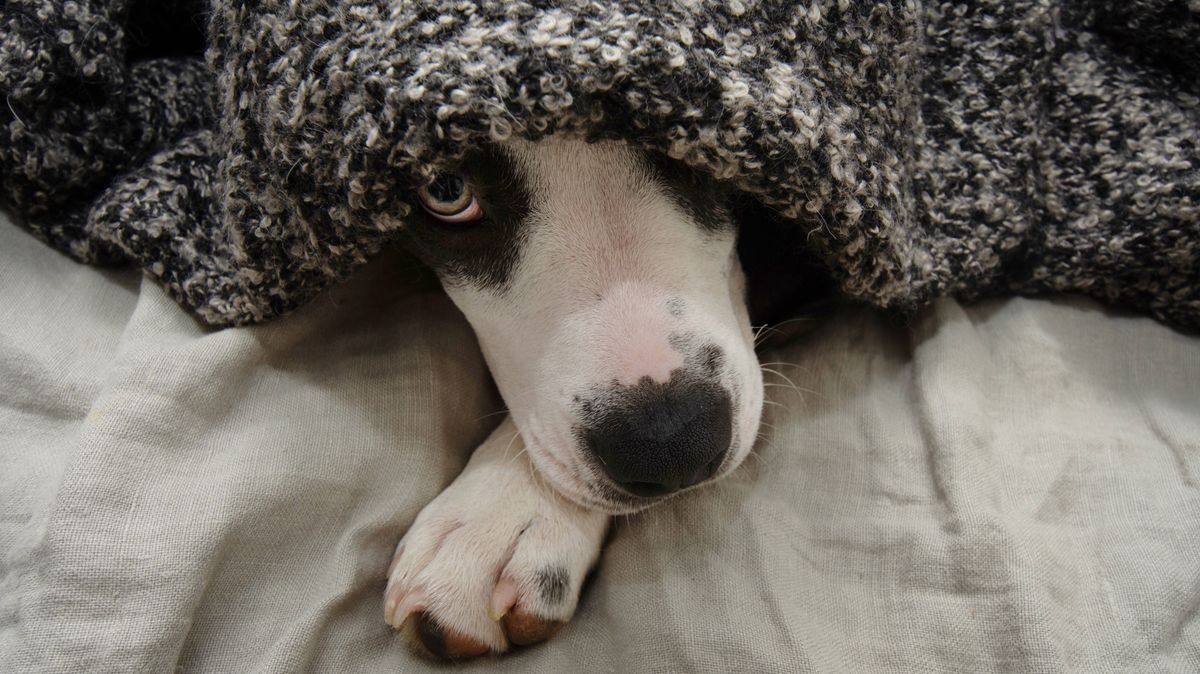
A vet has urged dog owners to stop making this error with their pets – as they could unwittingly be making them more anxious. So here’s all you need to know
Separation anxiety is a behavioural condition where a dog becomes extremely distressed and anxious when left alone or separated from their owner or family members.
It goes beyond mild discomfort or boredom – dogs with separation anxiety often experience intense fear or panic when they are apart from their people. And this can lead to excessive barking, howling, destructive behaviour, panting or even injury.
Thankfully, a vet called Amir Anwary is here to help. He took to TikTok to talk about an issue, commenting: “Separation anxiety is such a huge problem dogs these days suffer with! But you guys can definitely help them by implementing these steps! If this doesn’t help you may need to consult a behaviourist.”
Amir then went on to discuss one common mistake that owners make. While they may think that comforting their pooches on the way out is a kind thing to do, they could actually be causing stress.
He explained: “Stay calm when you leave home and when you return. When you leave home, you go and make it a big scene and when you return home you make it an even bigger scene.
“You are creating heightened emotions around you leaving home, which makes the separation anxiety worse because it’s so emotional.”
Instead, he recommends keeping things as low-key as possible. This even includes ignoring your dog for around 10 minutes before leaving and after returning home – something he admits may feel “cruel”, but can help reduce emotional build-up and anxiety.
Another method is ensuring that your dog is properly exercised before they are left alone – especially if you plan to be out for hours. A long walk or play session can make the world of difference to helping them rest.
To keep their minds occupied, he suggests using treat puzzles or enrichment toys, which can distract them and create a more positive association with being alone.
If your pup is already battling separation anxiety, there are some steps you can take to alleviate the issues. Rather than leaving them alone for long periods straight away, he recommends building up their tolerance slowly.
He said: “This is the hardest one because this is the one that requires the most consistency. When you leave home, start with going away for five minutes and monitor their response.
“If they’re fine with it, go to 10 minutes and monitor their response. Stop leaving them alone for two hours at a time. Of course their separation anxiety is not going to get any better – you’re going to make it a lot worse.”
Amir’s tips have sparked an important conversation among pet owners, highlighting how small, everyday habits can have a lasting impact on an animal’s wellbeing.
If you would like further advice, we recommend seeing a vet or a professional for bespoke tips for your pet.
