


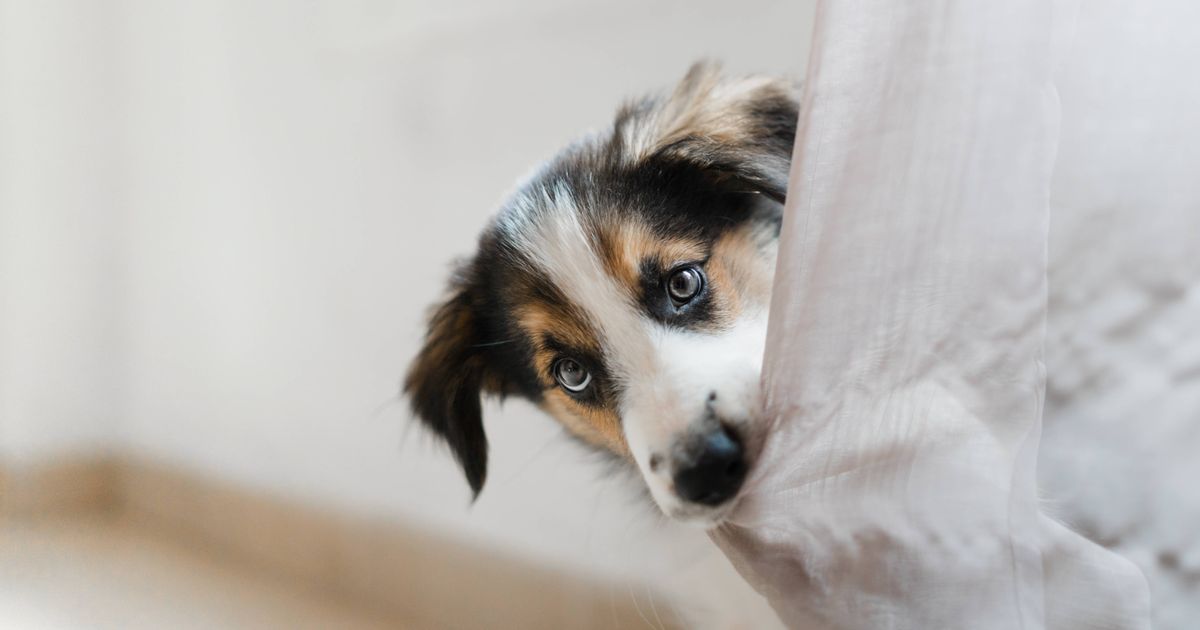
A vet has shared the common mistake dog owners make that causes anxiety in their pets – plus more expert-approved tips to help reduce the heartbreaking problem
If you’re in the habit of comforting your dog before and after leaving home, you could actually be doing more harm than good.
Vet Amir Anwary explained how this habit can actually lead to separation anxiety symptoms worsening in your pet. The expert also took to TikTok to share more helpful information about the psychological issue.
He said: “Separation anxiety is such a huge problem dogs these days suffer with! But you guys can definitely help them by implementing these steps. If this doesn’t help you may need to consult a behaviourist.”
Firstly, the vet cautioned against excessively dramatic hellos and goodbyes. He said: “Stay calm when you leave home and when you return. When you leave home, you go and make it a big scene and when you return home you make it an even bigger scene.
“You are creating heightened emotions around you leaving home which makes the separation anxiety worse because it’s so emotional.”
Amir suggests ignoring your dog for 10 minutes before leaving home – and doing the same when you return. While this may feel “cruel”, it is an effective way to help your pets remain calm.
Amir also recommends getting your furry friends used to you leaving them alone, which can take time.
Keeping your dogs entertained is another way to help separation anxiety when you’re not at home. For example, providing your pets with a treat puzzle can help to maintain mental stimulation.
Just make sure there aren’t any small pieces that can cause injury or other accidents. If this is the case, we’d recommend entertaining your dog by putting the TV or radio on instead.
For those whose pets are unable to be left alone whatsoever, Amir recommends gradually extending the time away, beginning with just minutes.
The vet elaborated: “This is the hardest one because this is the one that requires the most consistency. When you leave home, start with going away for five minutes and monitor their response.”
You can then gradually increase this timeframe to 10 minutes and beyond. Resist the urge to go from zero to 100 because this can set your pet back on their journeys.
Amir said: “If they’re fine with it, go to 10 minutes and monitor their response. Stop leaving them alone for two hours at a time. Of course their separation anxiety is not going to get any better, you’re going to make it a lot worse.”
If you want more helpful advice about separation anxiety, be sure to speak to your vet. You can also get additional information on the RSPCA website.
