


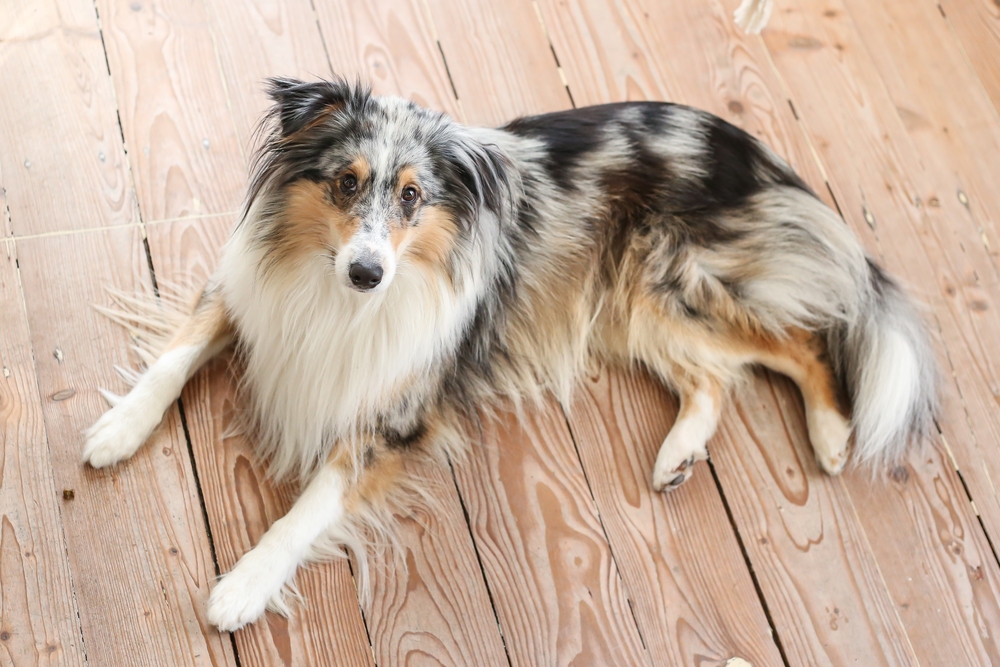
The dog world is full of astounding color variations and patterns, and Merle is one of the most prominent unusual coat types. In some dog breeds merle is called “dapple”, but they equate to the same thing. Blue merle is the most well-known type of merle coat, with dappled gray spots against a lighter gray coat. Merle is the contrast of a darker pigment against the same pigment in a lighter shade, not a specific color combo.
You can also see red merle coats that exhibit reddish-brown splotches against a lighter tan. The exact shade of the spots and the background color shift a bit with coat color genetics, as do the size, spacing, and shape of the spots.
Sometimes, merle dogs even have unusually light eyes or heterochromatic odd-colored eyes. The nose and paw pads can also be lighter. Unfortunately, the Merle gene is linked to several severe health conditions that can affect the dog’s quality of life and makes breeding merle dogs an ethical quandary.
For an overview, check out a list of the most common health issues associated with the merle gene below.

Common Health Problems in Merle Dogs
Deafness in one or both ears
Microphthalmia leading to small, deformed, and often non-functional eyes
Microcoria, meaning the irises are missing the muscles that cause the pupil to dilate
Other eye deformations, like missing the reflective layer at the back of the eye or underdeveloped corneas
Sensitivity to direct sunlight and sunburn
Those are significant health problems, but how exactly does the merle gene cause them? Are you supposed to breed merle dogs with other merles or not? If you’ll humor us, we’ll wade into all that info and more about the merle gene below.
What Breeds Can Have Merle Coats?
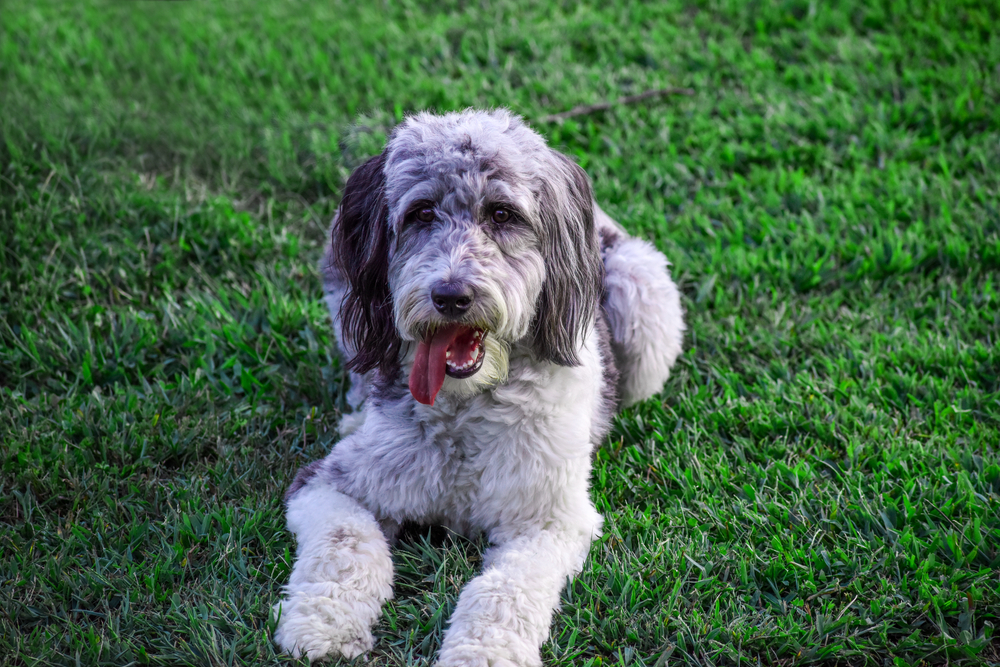
Due to selective breeding by humans and the allowance (or even preference) for merle coats in some beed standards, some breeds are more likely to carry and pass on the merle gene than others. As with other genes, the merle gene can be passed to mixed dogs, making it essential to consider whether their purebred parents came from breeds that carry the merle gene. It’s also good for new dog owners to have a better idea of which dogs can suffer from partial deafness or eye problems due to a merle coat. Check out the breeds below for quick reference.
Merle Dog Breeds:
The Merle Coat & Genetics: How DNA Becomes Color
The merle trait occurs at the PMEL17 (Silver) gene. This gene normally helps produce eumelanin, which is responsible for producing pigment in the skin, eyes, and inner ears. A mutation called SINE insertion tips over this careful genetic sequence, causing a cascade of effects, including the unique merle coloration and the other health problems seen in merle dogs.
At its most basic, the merle gene suppresses or disrupts the production of melanin or color-carrying pigment in certain parts of the skin, leading to the signature merle gray-on-black spots. How a merle coat presents depends on whether a dog is a single merle or double merle. The difference? Single-merle dogs have one dominant merle gene from one parent and a recessive non-merle gene from the other, while double-merle pups have a dominant merle gene from both parents (MM).
Single-merle dogs have a wider range of color because the merle gene doesn’t uniformly suppress the skin pigment. For example, a tan and brown single merle dog can display up to four or more distinct shades, creating vivid contrast. These dogs are less at risk of the most severe side effects caused by the merle gene. Single-merle dogs are generally more desirable because they have a pleasing coat pattern with minimal detrimental side effects.
The merle gene’s effects on double-merle dogs are much more obvious. The base skin color becomes white, and the gray spots are less obvious, with some dogs appearing all-white with very few small spots across the body. Double-merle dogs often have blue or heterochromatic eyes, and sadly, they can be small or deformed, a condition called microphthalmia. The risk of deafness is high, too. The pigment genes suppressed in these dogs are necessary for the cochlear to function properly, so when they are suppressed, parts of the cochlear (inner ear) degenerate, leading to deafness. In one study, 3.5% of single-merle dogs and 25% of double-merles had deafness in one or both ears.

Should You Breed Two Merle Dogs Together?
No, it’s considered ethically irresponsible to breed two merle dogs because of the higher risk of health problems. When two single merle dogs are bred together, statistically 1 in 4 offspring will be double merle. In addition to deafness, they can also have heart problems and other abnormalities. Even so, many shady dog breeders purposely breed merle dogs together to produce merle puppies that command high prices.
With a 1 in 4 chance of double merle dogs being entirely deaf, as well as the other health problems that can occur, there’s a tragically high risk of undesirable puppies being abandoned and put to sleep.
Genetic screening can help identify which parents should be bred together, which is not as simple as it may seem due to the presence of “cryptic merles” that don’t look like merle dogs, as well as other genes that influence the merle trait.
For example, the harlequin gene influences the merle gene and causes a desirable harlequin merle appearance in Great Danes, however, dogs with two copies of this modifier do not survive. In addition, genes for low piebald spotting may have a protective effect on double-merle dogs.
Since the gene interactions are quite complicated, the breeding of merle dogs is best left to experienced breeders with a strong understanding of coat color genetics.
Is the Merle Gene Related to Albinism? Merle vs. Albino Coats Explained
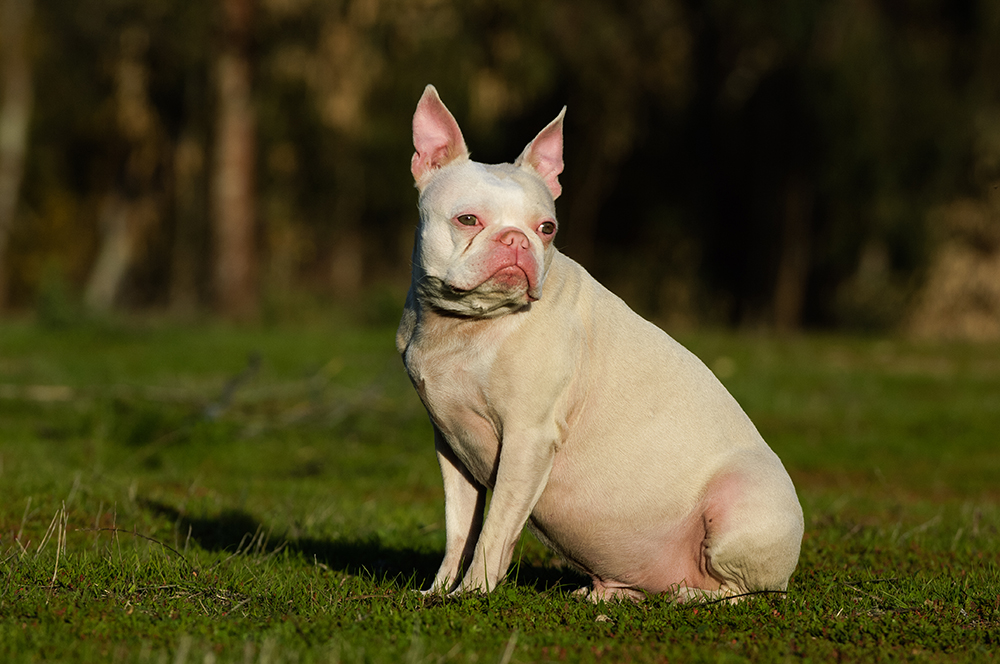
Double-merle coats are sometimes confused for albino coats because they have a distinct white base and a noticeable lack of pigmentation. This is especially common if their spots are very sparse and muted. It’s easy to see the confusion if you know little about merle or albino coats, but they’re completely separate phenomena!
Merle coats result from a mutated gene that produces less melanin in some parts of a dog’s skin and fur, while albino coats are caused by a different genetic defect that causes the skin and fur to produce no melanin at all.
The difference is subtle but obvious once you see it. Albino dogs have snowy all-white coats with no spots and have blue or reddish-pink “albino eyes.” Like merle dogs, albinos have sensitive skin that burns easily with prolonged sunlight exposure.
Conclusion
The merle gene is responsible for some of the most stunning coat colors in the dog world but also some nasty side effects like deafness and blindness. While impossible to eliminate, these risks can be somewhat managed by encouraging people to breed single-merle dogs that generally lead healthier, happier lives than many double-merle dogs that develop health complications.
Featured Image Credit: arturs.stiebrins, Shutterstock
