


Shutterstock
Dogs have walked beside us through centuries of change, and some breeds carry the weight and wonder of that history in every step. These remarkable canines boast ancient lineages, shaped by geography, culture, and the ever-evolving needs of humanity. Their roles have been as diverse as their origins. More than just pets, these dogs are living testaments to endurance, loyalty, and human connection. Through them, we glimpse echoes of forgotten worlds and the powerful bond that has stood the test of time.
Basenji

Shutterstock
The Basenji is often regarded as one of the most ancient dog breeds, originating in central Africa over 5,000 years ago. Archaeologists have found Basenji-like figurines in Egyptian tombs dating back to 3,000 B.C., suggesting they were bred for companionship and hunting in early civilizations. Known as the “barkless” dog, they communicate with yodels and unique vocalizations, a trait that likely helped maintain stealth during hunting times. Their independent, intelligent nature reflects centuries of self-reliance in rugged terrain. Today, the Basenji remains a living link to prehistoric canine heritage.
Tibetan Mastiff
Shutterstock
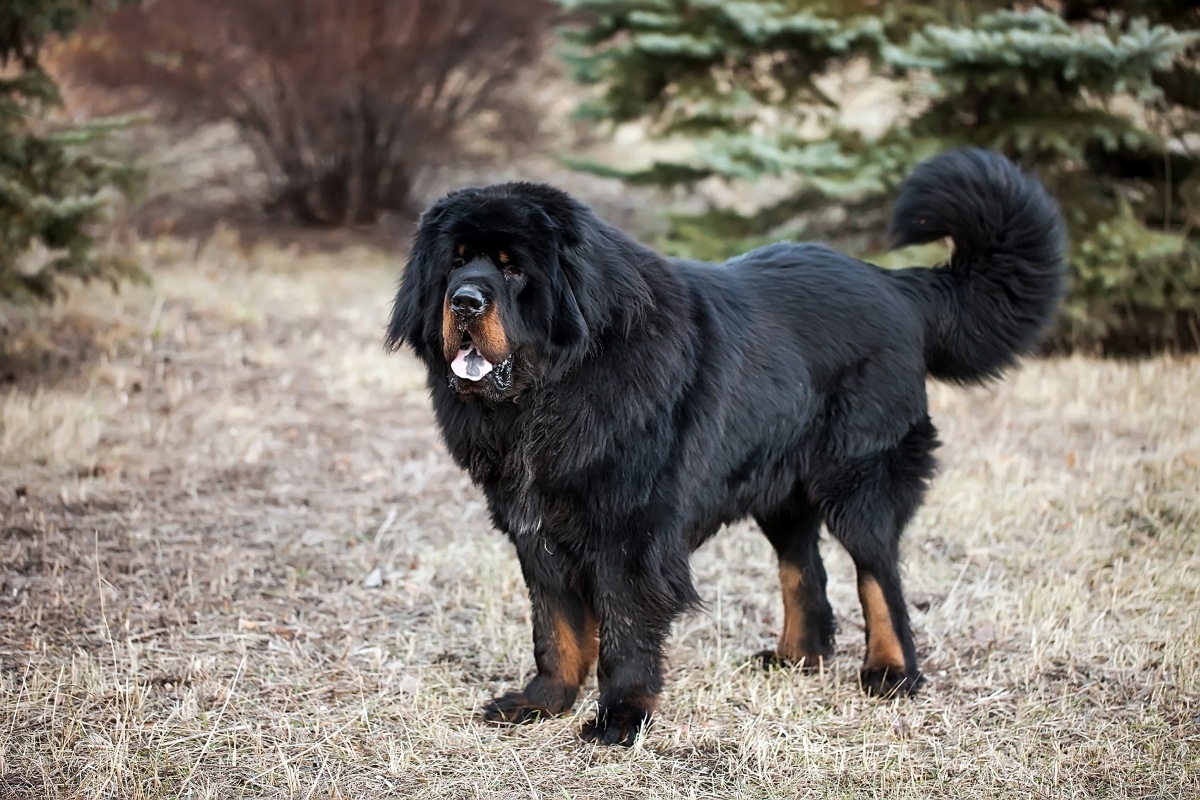
The Tibetan Mastiff hails from the Himalayas, where it served as a guardian of monasteries and livestock for centuries. These dogs are mentioned in ancient Tibetan texts and were revered for their courage and protective instincts. They once patrolled the borderlands of Tibet and China, guarding temples and caravans in harsh mountain climates. Their massive size, thick coat, and self-sufficient temperament were essential for survival and protection in high-altitude terrain. Even today, a Tibetan Mastiff carries the aura of a majestic mountain sentinel.
Saluki

Shutterstock
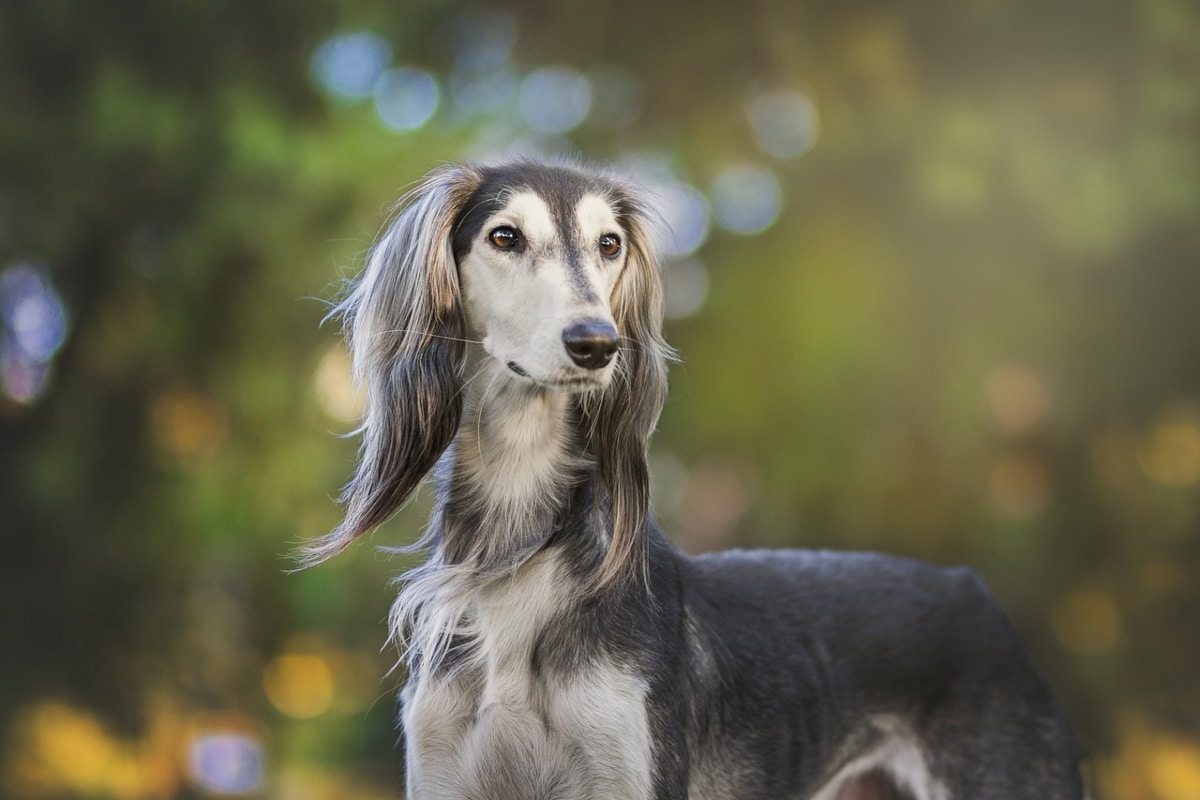
The Saluki is considered one of the oldest dog breeds, with origins tracing back to ancient Mesopotamia and Egypt approximately 4,000–5,000 years ago. These graceful sight hounds were prized by nomadic tribes and royalty for their speed and noble temperaments. Pharaohs often included treated Saluki remains in their tombs, honoring them as esteemed hunting companions. Their endurance and elegance made them ideal partners in desert hunts across vast landscapes. Today, the Saluki’s refined build and gentle composure still reflect its storied past.
Akita
Shutterstock
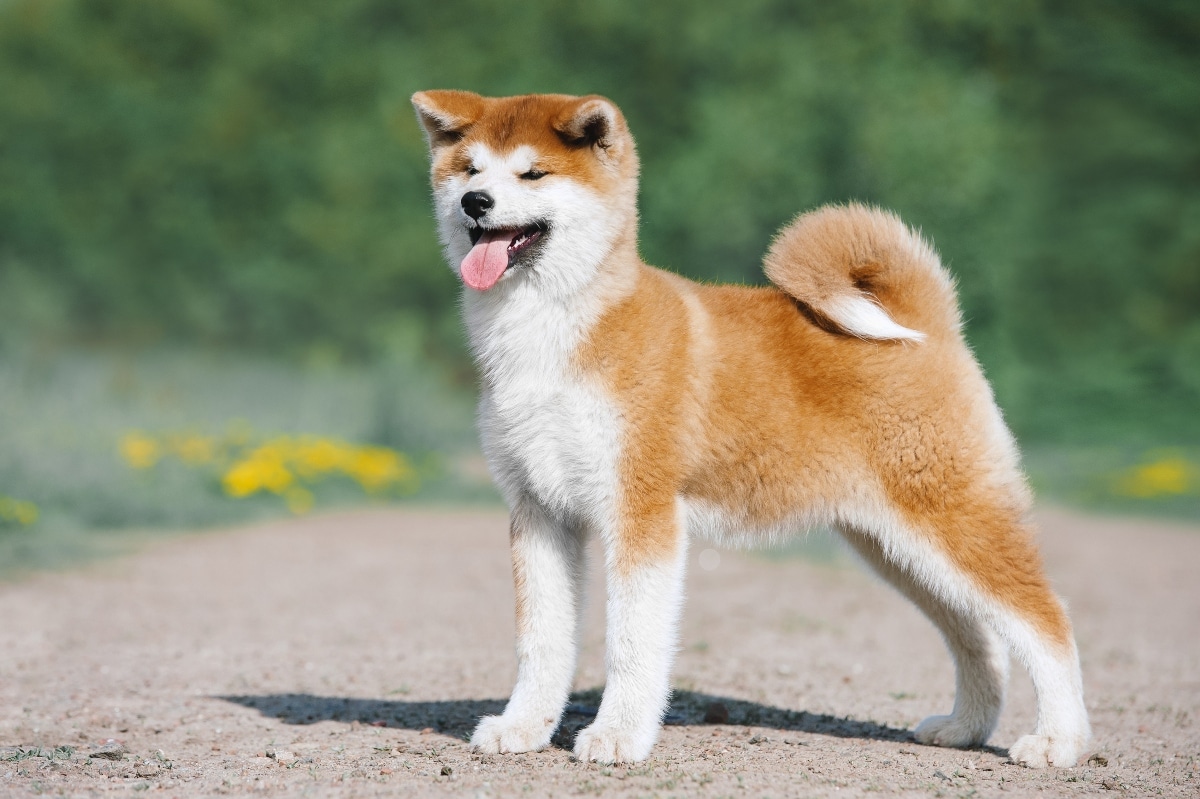
The Akita breed originates from northern Japan, where it was revered as a symbol of health, happiness, and long life. Originally used for hunting large game like bears and boar, their strength and bravery were essential in Japanese mountain life. They were treasured by samurai families and later became emblematic of Japanese faithfulness. A famous Akita named Hachiko famously waited at a train station every day for his owner, even after the owner passed, cementing the breed’s status as a symbol of unwavering loyalty. Its powerful presence still carries tales of allegiance and honor.
Greyhound
Shutterstock
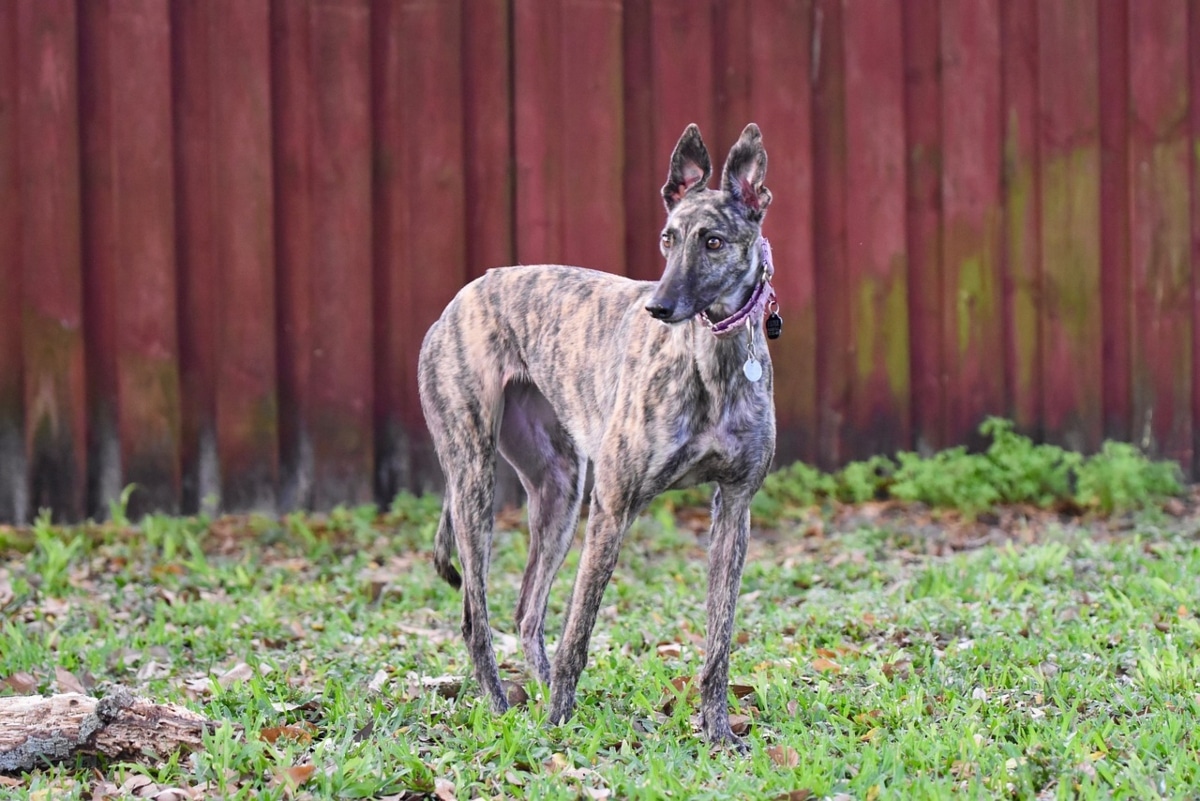
Greyhounds are one of the world’s oldest purebred dogs, with depictions appearing around 4,000 years ago in ancient Egypt. They were prized for their speed, agility, and regal bearing, frequently portrayed in tomb paintings alongside royalty. As companions and hunters, they have served noble families across civilizations, from Egyptian pharaohs to medieval aristocracy. Their lean, aerodynamic bodies are a testament to centuries of selective breeding for athleticism. Today, Greyhounds still embody elegance, swiftness, and a noble spirit rooted in ancient times.
Icelandic Sheepdog

Shutterstock
The Icelandic Sheepdog is Iceland’s native breed, originating with Viking settlers over a thousand years ago. Brought along on Norse voyages, they assisted with herding sheep and goats in tough Nordic conditions. Their lively, friendly nature helped families weather harsh climates and limited resources. They are one of the oldest northern breeds, reflecting resilience, resourcefulness, and close bonds with Icelandic settlers. Even today, they carry the Viking spirit in their joyful leaps and cheerful companionship.
Pharoah Hound

Shutterstock
The Pharaoh Hound traces its heritage to ancient Egypt, though the modern breed was refined in Malta. Its sleek build and hunting prowess made it ideal for chasing rabbits. The breed’s striking amber eyes and noble stance earned it a place among the inspired art and legends of antiquity. Today, the breed retains its elegant poise and mild hunting instincts, an echo of ancient hunters who may have shared the Nile plains. The Pharaoh Hound remains a living embodiment of Egyptian elegance.
Tibetan Terrier

Shutterstock
Despite their name, Tibetan Terriers were not terriers but considered ‘little lucky dogs’ by Tibetan Buddhist monks who bred them for companionship. They lived in monasteries and herded livestock around high-altitude Himalayan lands for over a thousand years. Their flowing coats and confident gait reflected both functionality and aesthetics in monastic settings. Brought to the West only in the 1920s, they have preserved their joyful, balanced temperament and Buddhist heritage. They are considered sacred talismans of good fortune.
Komondor

Shutterstock
The Komondor is the distinctive “mop dog” of Hungary, bred to guard livestock since the Middle Ages. Their corded coats mimic sheep, helping them blend into their flocks at night. This breed protected flocks from wolves and thieves with fierce loyalty and independence. Their history reflects an era when selective breeding produced self-sufficient protectors of agrarian communities. Even today, the Komondor’s shaggy appearance and protective instincts pay homage to centuries of shepherding heritage.
Shiba Inu

Shutterstock
Shiba Inus are Japan’s smallest native spitz breed, with roots in hunting and small-game work centuries ago. They were bred for agility, sharp instincts, and independence in the mountainous regions of Japan. Before modernization, they were versatile dogs used for tracking and flushing prey. While their popularity soared in modern times, their spirited, alert nature has been carefully preserved. Shiba Inus continue to embody the harmony of tradition, resilience, and feistiness in Japanese culture.
Afghan Hound

Shutterstock
The Afghan Hound is a picture of elegance, with long flowing hair and a noble silhouette, but its history is just as striking. Originating in the mountainous regions of Afghanistan, this breed was originally used for hunting large prey like leopards and gazelles. Their speed, agility, and independence were prized by tribal hunters who needed a dog that could think and act on its own in harsh terrain. The breed’s aloofness and grace reflect centuries of survival and service in remote, demanding environments. Today, the Afghan Hound remains a dignified and mysterious figure with ancient roots.
The Historic Bark Fest Is Over

Shutterstock
These remarkable breeds aren’t just loyal companions they’re living echoes of the past, time travelers wrapped in fur and history. Every quirk, instinct, and trait they carry has been shaped by generations of purpose, survival, and deep connection to human life. They reflect ancient roles and relationships that still hold meaning today. Bringing one into your home isn’t just adopting a dog it’s welcoming a chapter of human and canine history, alive and well, still wagging through the world with timeless devotion.
