

Close Menu
lechienrevue.com
    What's Hot

    Most dogs have some wolf DNA, scientists say. These breeds have more than others.

    February 8, 2026

    UCCS Communique – The official news publication for the University of Colorado Colorado Springs

    February 8, 2026

    Do Our Dogs Really Love Us? – American Kennel Club

    February 7, 2026

    Subscribe to Updates

    Get the latest creative news from FooBar about art, design and business.

    Facebook X (Twitter) Instagram
    Trending
    • Most dogs have some wolf DNA, scientists say. These breeds have more than others.
    • UCCS Communique – The official news publication for the University of Colorado Colorado Springs
    • Do Our Dogs Really Love Us? – American Kennel Club
    • No. 1 golden retriever, pups will greet visitors at Ligonier wellness center
    • Stories from Some of Our Longest-Serving Teammat
    • Eamonn Holmes reveals heartbreaking story behind adopting beloved pet dog Maggie 
    • U.S. Army launches K-9 Corps | March 13, 1942
    • Vet says dog owners making ‘common’ mistake that causes painful issue for pets
    Sunday, February 8
    X (Twitter) Instagram Pinterest YouTube TikTok
    lechienrevue.com
    Contact us
    • Unique breeds
    • Life style
    • Heritage
    • Stories
    • Wellness & Spa
    lechienrevue.com
    Home»Unique breeds»Soft-coated wheaten terriers, German pointers and miniature schnauzers more likely to be diagnosed with phaeochromocytoma.
    Unique breeds

    Soft-coated wheaten terriers, German pointers and miniature schnauzers more likely to be diagnosed with phaeochromocytoma.

    info@lechienrevue.comBy info@lechienrevue.comOctober 24, 2025No Comments3 Mins Read
    Facebook Twitter Pinterest LinkedIn Tumblr Email
    Share
    Facebook Twitter LinkedIn Pinterest Email

    Researchers also made the novel discovery that incidence of phaeochromocytoma is up to 25 times higher in dogs than in humans.

    Share
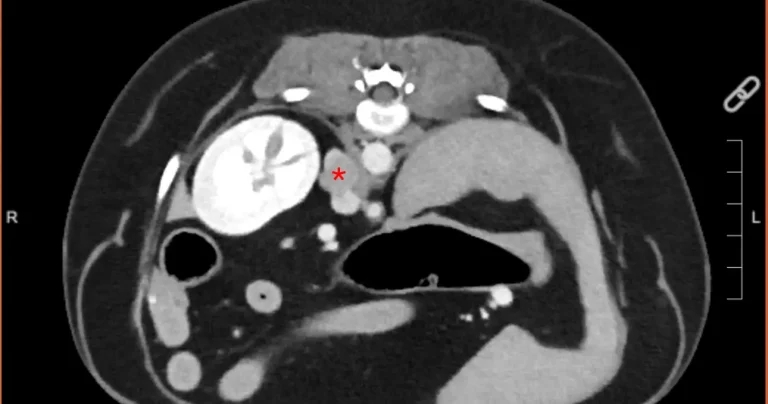
    Study reveals dog breeds ‘ultra-predisposed’ to rare tumour

    Several dog breeds have been found to be “ultra-predisposed” for diagnosis of a rare adrenal tumour.

    RVC and Utrecht University researchers analysed data from the former’s VetCompass programme to determine breed predispositions and demographic risk factors for phaeochromocytoma (PCC), a rare tumour occurring in both dogs and humans thought to be “substantially under-diagnosed” because of its non-specific clinical signs.

    The researchers examined data from 2,250,741 dogs under primary veterinary care in the UK in 2019, with 92 confirmed as PCC cases.

    Published in PLOS One, the study found an annual prevalence and annual incidence risk of PCC diagnosis of one per 100,000 dogs, between four-and-a-half and 25 times higher than that reported for human PCC.

    Of the 92 confirmed cases, 65 (70.7%) were male (with 75.4% neutered) and 27 (29.4%) were female (with 77.8% neutered), with a median age at first diagnosis of 10.6 years and median adult bodyweight of 12.8 kg.

    Image of a soft-coated wheaten terrier looking up at camera.
    Soft-coated wheaten terriers are one of the breeds found to have increased susceptibility to PCC.

    Predisposition

    Three breeds were identified with predisposition for PCC diagnosis; compared with crossbreeds, the soft-coated wheaten terrier (30.9 times), German pointer (11.0) and miniature schnauzer (4.7) were significantly more likely to be diagnosed with PCC.

    English cocker spaniels (0.78 times) and Labrador retrievers (0.67) were less likely to be diagnosed with PCC in the findings.

    Terrier breeds overall were 1.65 times more likely than non-terrier breeds to be diagnosed, as were breeds predisposed to pituitary/cortisol-secreting cancer (1.64) or pituitary/cortisol-secreting adrenal cancer and/or insulinoma (1.57).

    Neutered males were 2.2 times more likely than intact males to be diagnosed, while dogs aged between nine and 15 were 2.4 times more likely than those aged six to nine.

    Dogs aged five and under were just 0.07 times as likely to be diagnosed, however the authors acknowledged that age is less likely to be a risk factor specific to PCC and more broadly associated to the diagnosis of a neoplastic disease.

    Two purposes

    First author Martin Litviakov said: “The findings serve two purposes: firstly, they provide veterinary practitioners, particularly those in first opinion practice, with additional information to help increase their suspicion of phaeochromocytoma earlier in the disease process, hopefully leading to better outcomes; and secondly, they act as a scaffold for future studies in canine phaeochromocytoma, especially when considering its potential as a translational model for the human disease.”

    Co-author and RVC professor of companion animal epidemiology Dan O’Neill said the findings could act as an “advanced warning system” for vets and pet owners.

    Final author and RVC senior lecturer in small animal soft tissue surgery Floryne Buishard noted the importance of the novel finding that PCC incidence in dogs is significantly higher than in humans.

    She said: “This underpins the value of spontaneous canine phaeochromocytoma as a translational study model for human phaeochromocytoma because canine phaeochromocytoma samples are more readily available for molecular studies, unlike human phaeochromocytoma samples.”

    diagnosed German Miniature phaeochromocytoma pointers schnauzers Softcoated terriers wheaten
    Share. Facebook Twitter Pinterest LinkedIn Tumblr Email
    info@lechienrevue.com
    • Website

    Related Posts

    Most dogs have some wolf DNA, scientists say. These breeds have more than others.

    February 8, 2026

    I am shocked! This is New Jersey’s favorite dog breed!

    February 3, 2026

    20 Best Pups for Winter Adventures

    February 3, 2026
    Leave A Reply Cancel Reply

    Top Posts

    The Dog’s Life: A Legacy of Giants in the Mountains of Turkey

    July 21, 2025109 Views

    Black people’s complicated history with dogs

    August 3, 202519 Views

    🐾 The Big Picture: Dogs on the Move

    July 19, 202516 Views
    Stay In Touch
    • Facebook
    • YouTube
    • TikTok
    • WhatsApp
    • Twitter
    • Instagram

    Join Le Chien Revue

    Inspiration, stories, and canine lifestyle — straight to your inbox.

    About us

    Le Chien Revue is more than just a publication — it’s a celebration of the timeless bond between humans and their most loyal companions.
    Founded with a deep admiration for canine beauty, history, and culture, Le Chien Revue is a digital sanctuary for dog lovers who appreciate the finer details of breed heritage, the artistry of canine photography, and the lifestyle that comes with living alongside remarkable dogs.

    Our Picks

    Most dogs have some wolf DNA, scientists say. These breeds have more than others.

    February 8, 2026

    UCCS Communique – The official news publication for the University of Colorado Colorado Springs

    February 8, 2026

    Do Our Dogs Really Love Us? – American Kennel Club

    February 7, 2026

    Join Le Chien Revue

    Inspiration, stories, and canine lifestyle — straight to your inbox.

    lechienrevue.com
    X (Twitter) Instagram Pinterest YouTube TikTok
    • About Us
    • CONTACT US
    • Privacy Policy
    • Terms & Conditions
    • Disclaimer
    © 2026 Le Chien Revue. All Rights Reserved.

    Type above and press Enter to search. Press Esc to cancel.