
Close Menu
lechienrevue.com
    What's Hot

    Most dogs have some wolf DNA, scientists say. These breeds have more than others.

    February 8, 2026

    UCCS Communique – The official news publication for the University of Colorado Colorado Springs

    February 8, 2026

    Do Our Dogs Really Love Us? – American Kennel Club

    February 7, 2026

    Subscribe to Updates

    Get the latest creative news from FooBar about art, design and business.

    Facebook X (Twitter) Instagram
    Trending
    • Most dogs have some wolf DNA, scientists say. These breeds have more than others.
    • UCCS Communique – The official news publication for the University of Colorado Colorado Springs
    • Do Our Dogs Really Love Us? – American Kennel Club
    • No. 1 golden retriever, pups will greet visitors at Ligonier wellness center
    • Stories from Some of Our Longest-Serving Teammat
    • Eamonn Holmes reveals heartbreaking story behind adopting beloved pet dog Maggie 
    • U.S. Army launches K-9 Corps | March 13, 1942
    • Vet says dog owners making ‘common’ mistake that causes painful issue for pets
    Sunday, February 8
    X (Twitter) Instagram Pinterest YouTube TikTok
    lechienrevue.com
    Contact us
    • Unique breeds
    • Life style
    • Heritage
    • Stories
    • Wellness & Spa
    lechienrevue.com
    Home»Unique breeds»The otterhound — the story behind Britain’s rarest breed of dog
    Unique breeds

    The otterhound — the story behind Britain’s rarest breed of dog

    info@lechienrevue.comBy info@lechienrevue.comAugust 31, 2025No Comments3 Mins Read
    Facebook Twitter Pinterest LinkedIn Tumblr Email
    Share
    Facebook Twitter LinkedIn Pinterest Email

    With International Dog Day just behind us, it seems only fitting to celebrate the rarest of the rare: the otterhound, Britain’s most endangered native breed. Fewer than 1,000 survive worldwide, with only 42 puppies registered with the Kennel Club last year, making them rare than a snow leopard.

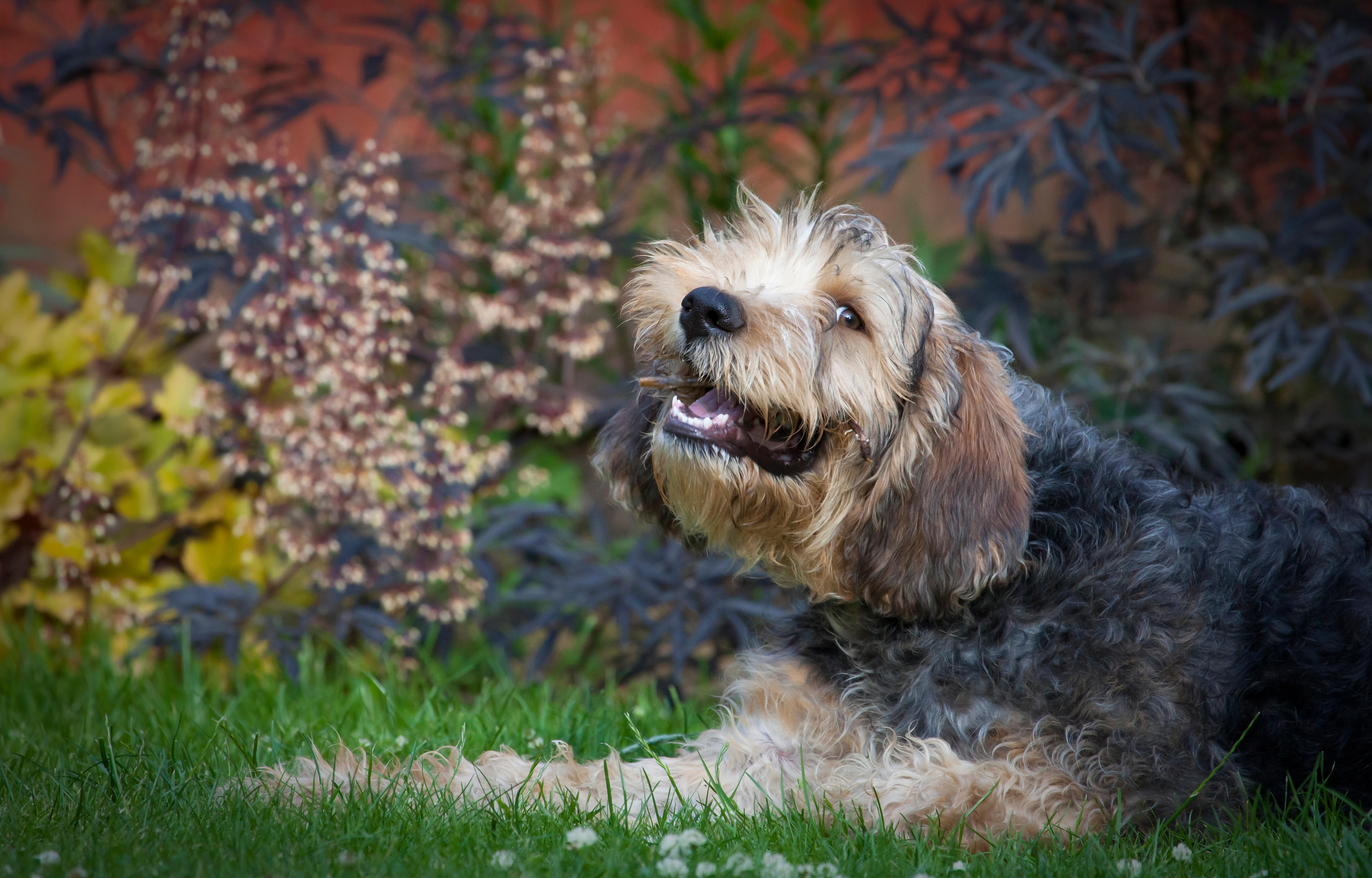
    These large, rough-coated hounds were first bred in medieval England, when rivers teemed with salmon and trout and otters were considered a serious threat to fish stocks. Equipped with webbed feet for swimming, oily double coats to withstand icy waters and noses so keen they can follow a scent up to 72 hours old, otterhounds were the ultimate specialist hunters. Their dense, water-resistant coats — which come in black and tan, black and blue, grizzle and white, liver and tan, particolour, red grizzle, or white and black — made them instantly recognisable as they splashed through Britain’s rivers.

    Image 1 of 2
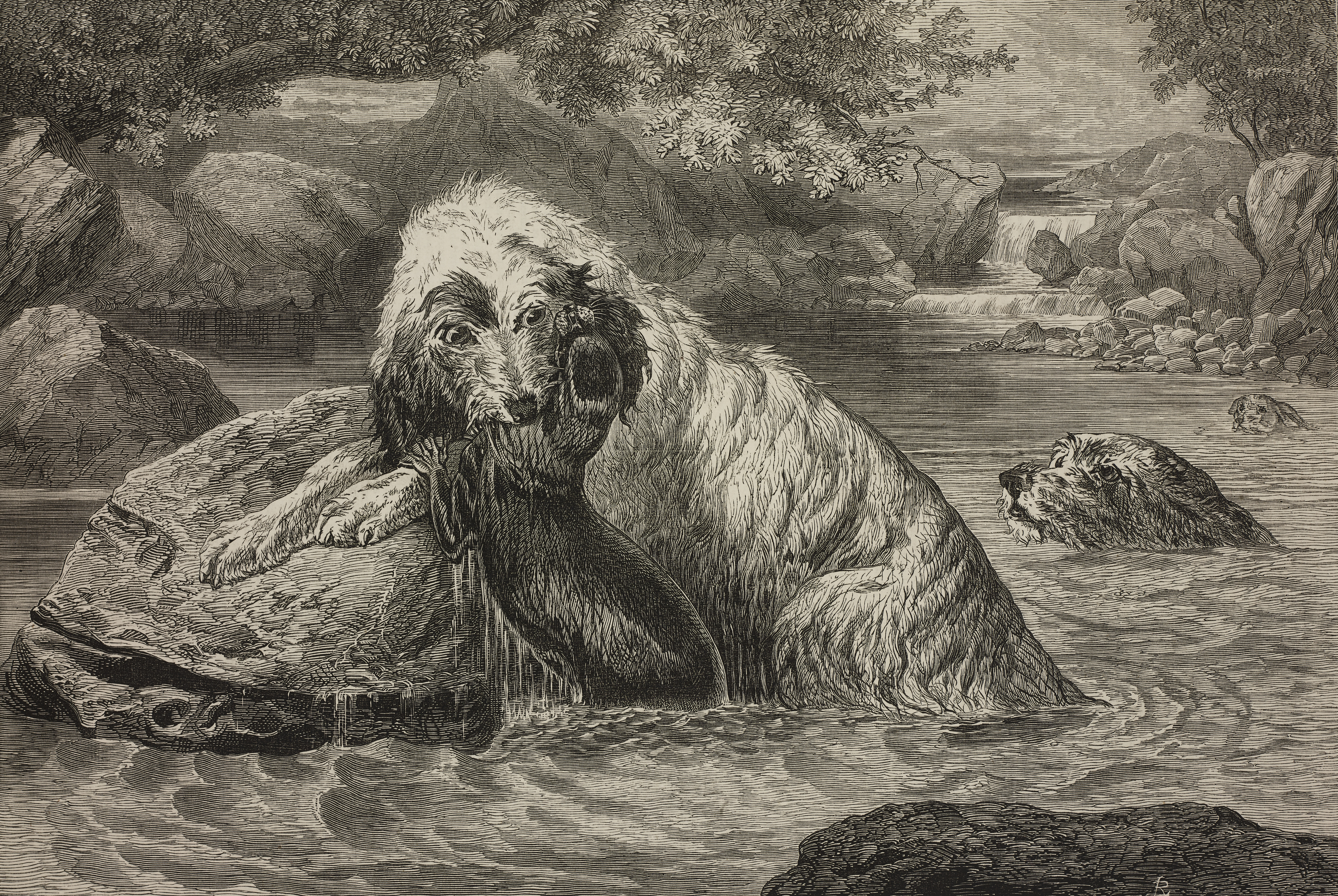
    On the scent — otterhounds at the river, illustrated by Basil Bradley, The Illustrated London News, 1872.(Image credit: Getty Images)
    Engraving of an otterhound biting an otter in a river, by Basil Bradley, The Illustrated London News, 1873.
    Otterhounds in pursuit — Basil Bradley’s 1873 illustration.(Image credit: Getty Images)

    Packs were once kept by monarchs, from King John to Elizabeth I, and the breed was a fixture of pageantry and country sport for centuries. But by the late 1970s otters themselves were in sharp decline, and hunting was outlawed in 1978 (with Scotland soon following). Some otterhounds found a new role as minkhounds, but many were left without a purpose — and gradually slipped out of favour.

    Determined to save them from extinction, the Kennel Club offered free registration to hounds from disbanded packs, while the Otterhound Club was formed to promote and protect what Country Life once described as ‘the most picturesque of breeds’ (February 8, 1930). Even so, numbers remain perilously low, and the deep, sonorous bay — likened by some to distant church bells, by others to Chewbacca — is now a rare sound in the countryside.

    Image 1 of 3
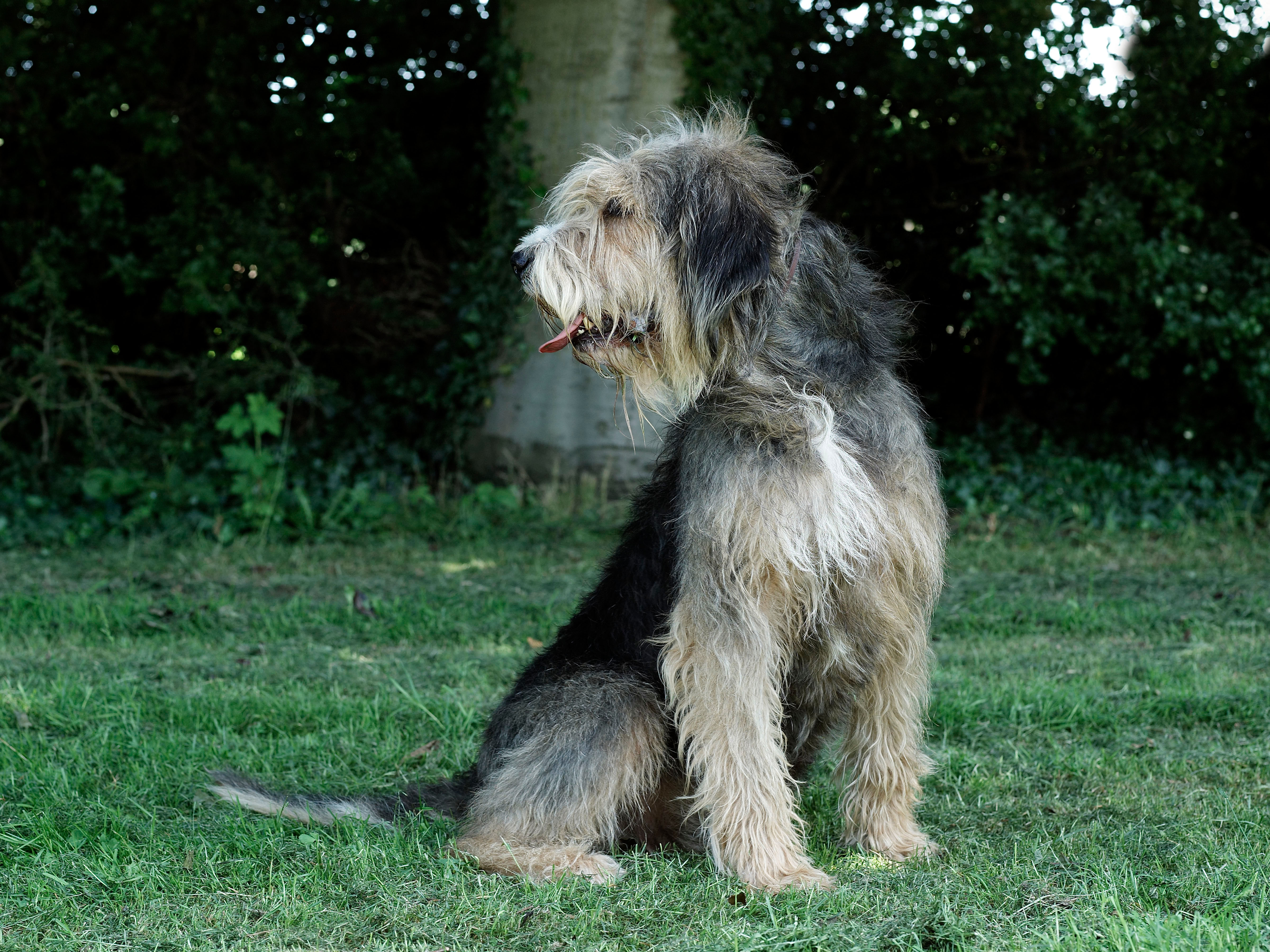
    An otterhound sitting on grass, its long, shaggy coat in shades of tan, cream and black, looking to the side with tongue slightly out.
    (Image credit: Alamy)
    An otterhound lying on grass, looking up with a happy expression and shaggy tan-and-black coat, framed by garden plants in the background.
    (Image credit: Alamy)
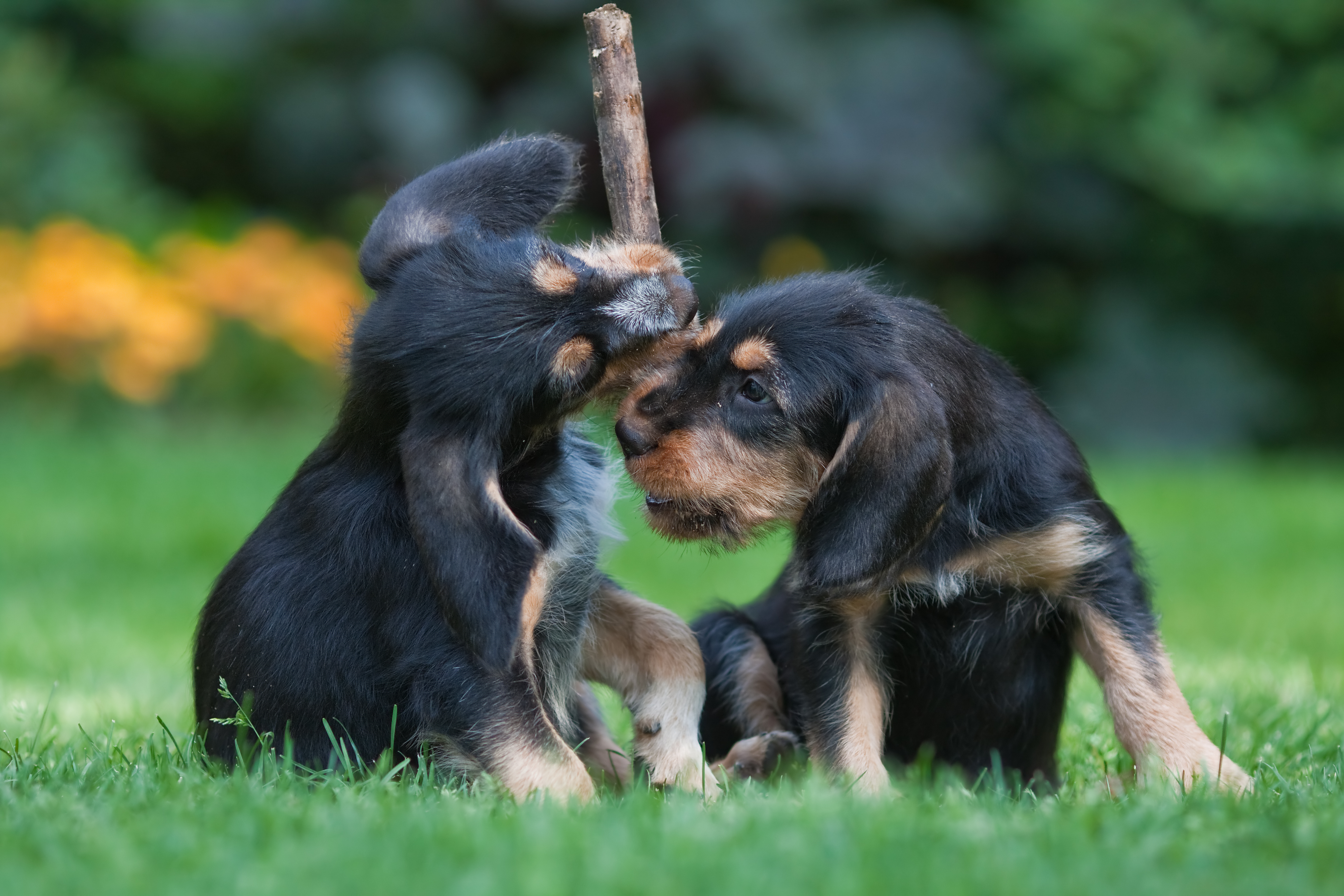
    Two otterhound puppies playing on grass, one holding a stick while the other tugs at it, both with shaggy black-and-tan coats.
    (Image credit: Shutterstock)

    The breed’s character, however, has always been celebrated. Described in its Kennel Club standard as amiable and even-tempered, the otterhound has made its mark both on screen and in stone. In the 1982 musical Annie, a six-year-old otterhound named Bingo stole the show as Sandy — rewarded off-camera with steak or prime rib after each day’s filming. Far more classical is the memorial to Ringwood, an ‘Otter-Hound of extraordinary Sagacity’, who rests beneath a stone arch in Venus’s Vale at Rousham House, Oxfordshire.
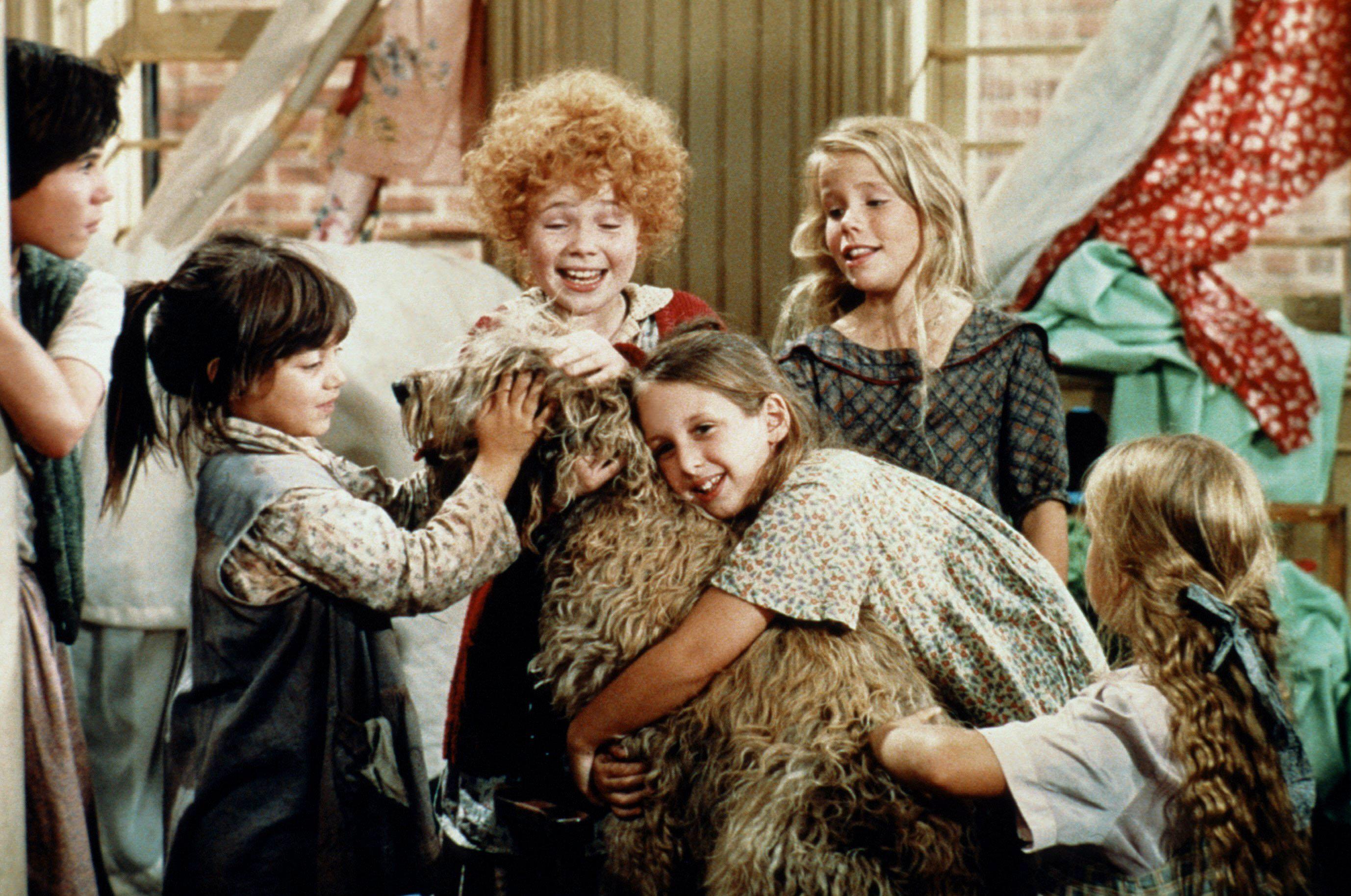
    Scene from the film Annie (1982), showing a group of children gathered around and hugging Sandy the dog, an otterhound, inside the orphanage

    Star turn — Sandy/Bingo the otterhound steals hearts in Annie (1982).

    (Image credit: Alamy)

    Once indispensable by the riverbank and later admired for their looks and loyalty, otterhounds today are cherished by the few who keep them — living links to Britain’s sporting past, and reminders that even the rarest breeds are worth saving.

    Exquisite houses, the beauty of Nature, and how to get the most from your life, straight to your inbox.

    Breed Britains dog otterhound Rarest Story
    Share. Facebook Twitter Pinterest LinkedIn Tumblr Email
    info@lechienrevue.com
    • Website

    Related Posts

    Most dogs have some wolf DNA, scientists say. These breeds have more than others.

    February 8, 2026

    Eamonn Holmes reveals heartbreaking story behind adopting beloved pet dog Maggie 

    February 6, 2026

    Vet says dog owners making ‘common’ mistake that causes painful issue for pets

    February 5, 2026
    Leave A Reply Cancel Reply

    Top Posts

    The Dog’s Life: A Legacy of Giants in the Mountains of Turkey

    July 21, 2025109 Views

    Black people’s complicated history with dogs

    August 3, 202519 Views

    🐾 The Big Picture: Dogs on the Move

    July 19, 202516 Views
    Stay In Touch
    • Facebook
    • YouTube
    • TikTok
    • WhatsApp
    • Twitter
    • Instagram

    Join Le Chien Revue

    Inspiration, stories, and canine lifestyle — straight to your inbox.

    About us

    Le Chien Revue is more than just a publication — it’s a celebration of the timeless bond between humans and their most loyal companions.
    Founded with a deep admiration for canine beauty, history, and culture, Le Chien Revue is a digital sanctuary for dog lovers who appreciate the finer details of breed heritage, the artistry of canine photography, and the lifestyle that comes with living alongside remarkable dogs.

    Our Picks

    Most dogs have some wolf DNA, scientists say. These breeds have more than others.

    February 8, 2026

    UCCS Communique – The official news publication for the University of Colorado Colorado Springs

    February 8, 2026

    Do Our Dogs Really Love Us? – American Kennel Club

    February 7, 2026

    Join Le Chien Revue

    Inspiration, stories, and canine lifestyle — straight to your inbox.

    lechienrevue.com
    X (Twitter) Instagram Pinterest YouTube TikTok
    • About Us
    • CONTACT US
    • Privacy Policy
    • Terms & Conditions
    • Disclaimer
    © 2026 Le Chien Revue. All Rights Reserved.

    Type above and press Enter to search. Press Esc to cancel.