


Photo courtesy of iStock / cynoclub
It’s a dog’s world
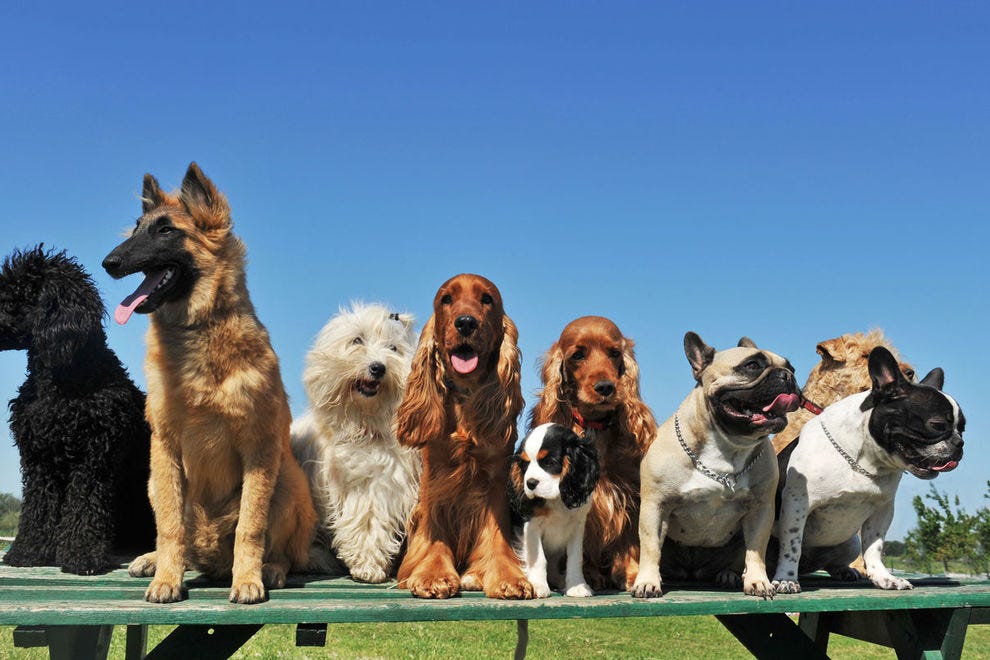
The American Kennel Club currently recognizes 193 dog breeds, and there are countless more that haven’t been officially recognized. From popular breeds to little-known canines, these 50 dogs can tell us a lot about both the countries and periods in history they came from.
Advertisement
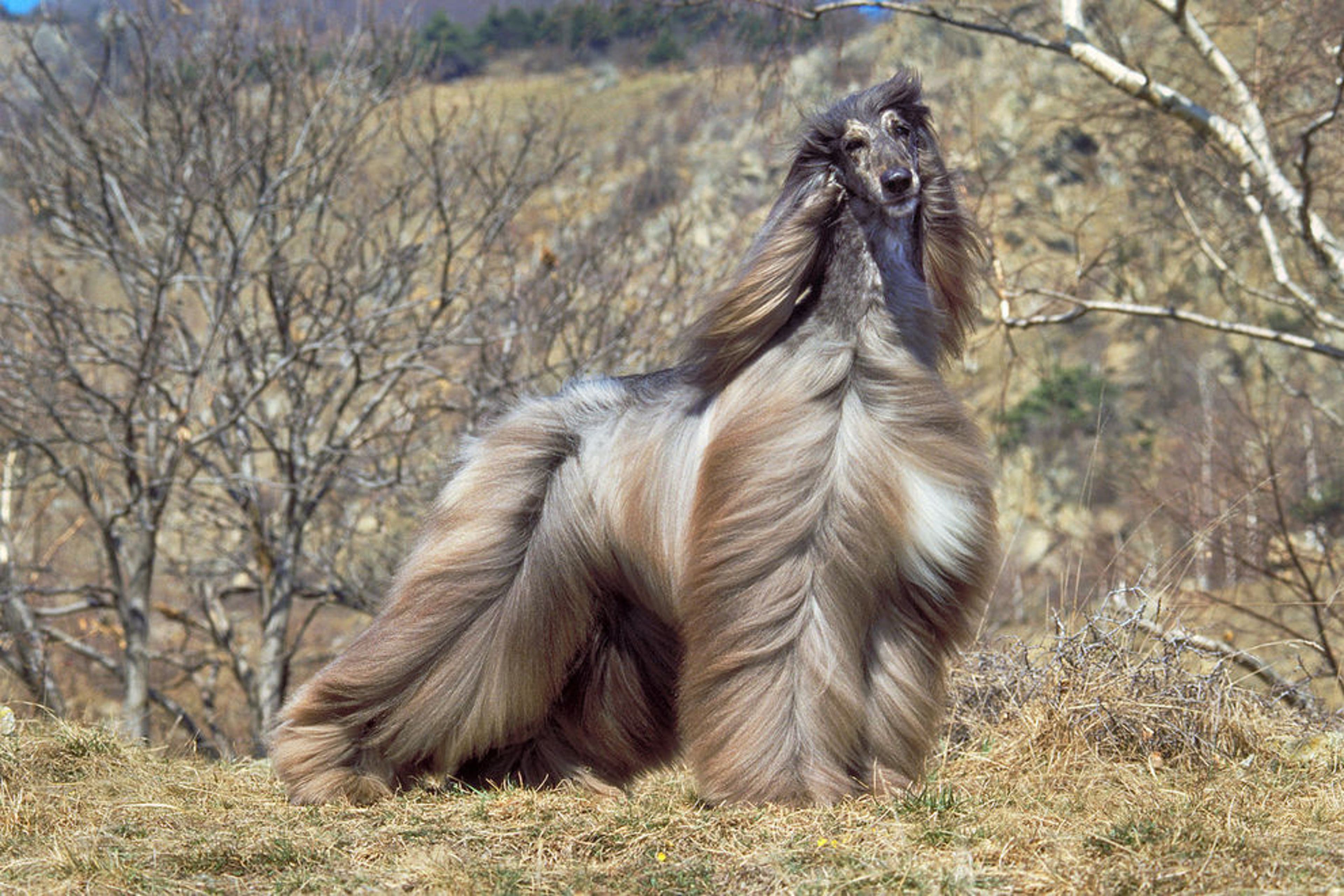 Photo courtesy of iStock / DarioEgidi
Afghan Hound – Afghanistan
The regal Afghan Hound is thought to be one of the oldest purebred dog breeds in the world; some even contend that an Afghan Hound pair represented dogs on Noah’s ark. Lore aside, the breed can be traced back to the areas known today as Afghanistan, India and Pakistan, where they were once hunting companions for royalty.
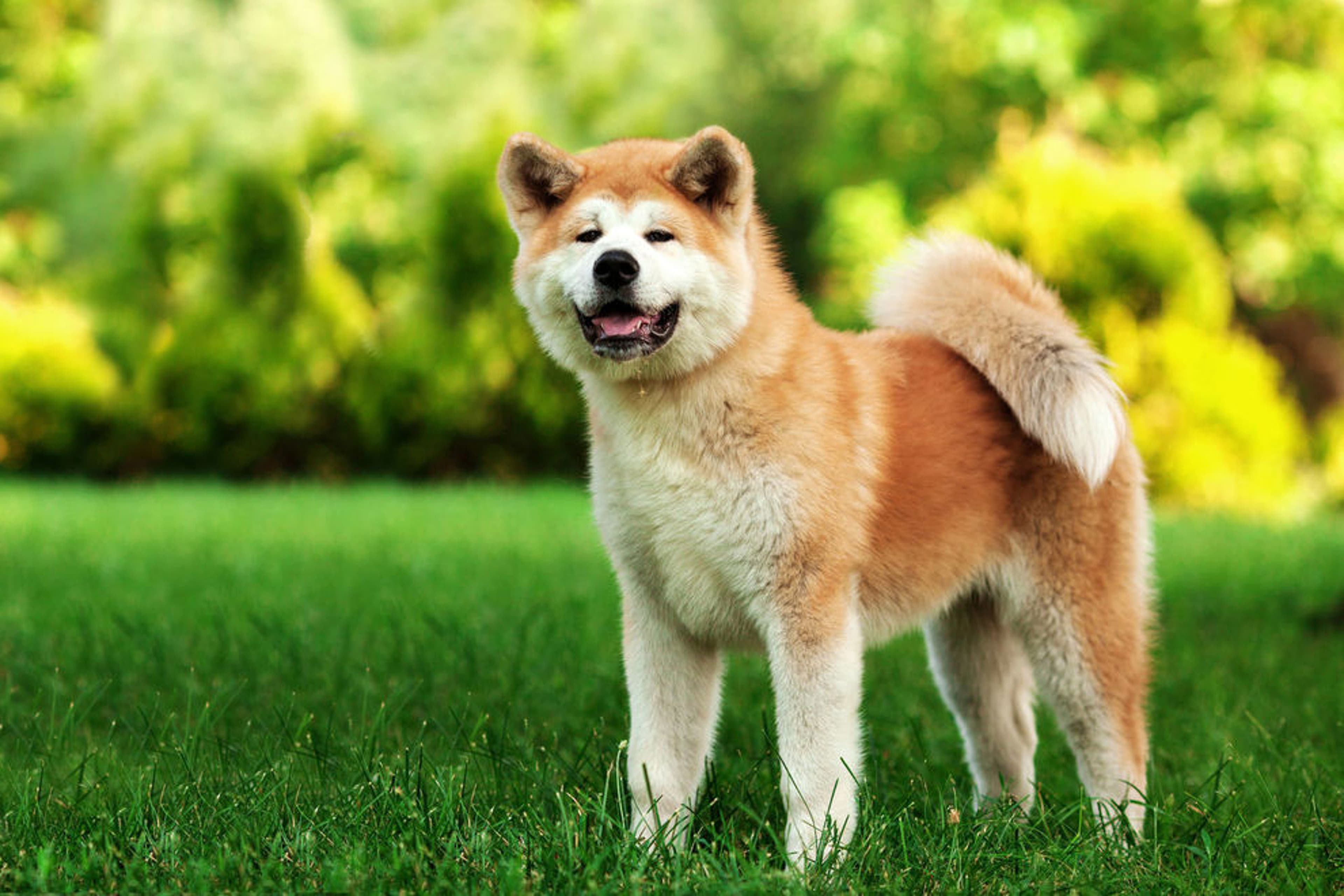 Photo courtesy of iStock / TaynaPanova
Akita – Japan
The burly, double-coated Akita has a lineage dating back to ancient Japan, with the first modern Akitas bred in the Akita prefecture during the 17th century as a hunting dog. Helen Keller brought the first Akita to U.S. soil – a gift she received on a trip to Japan.
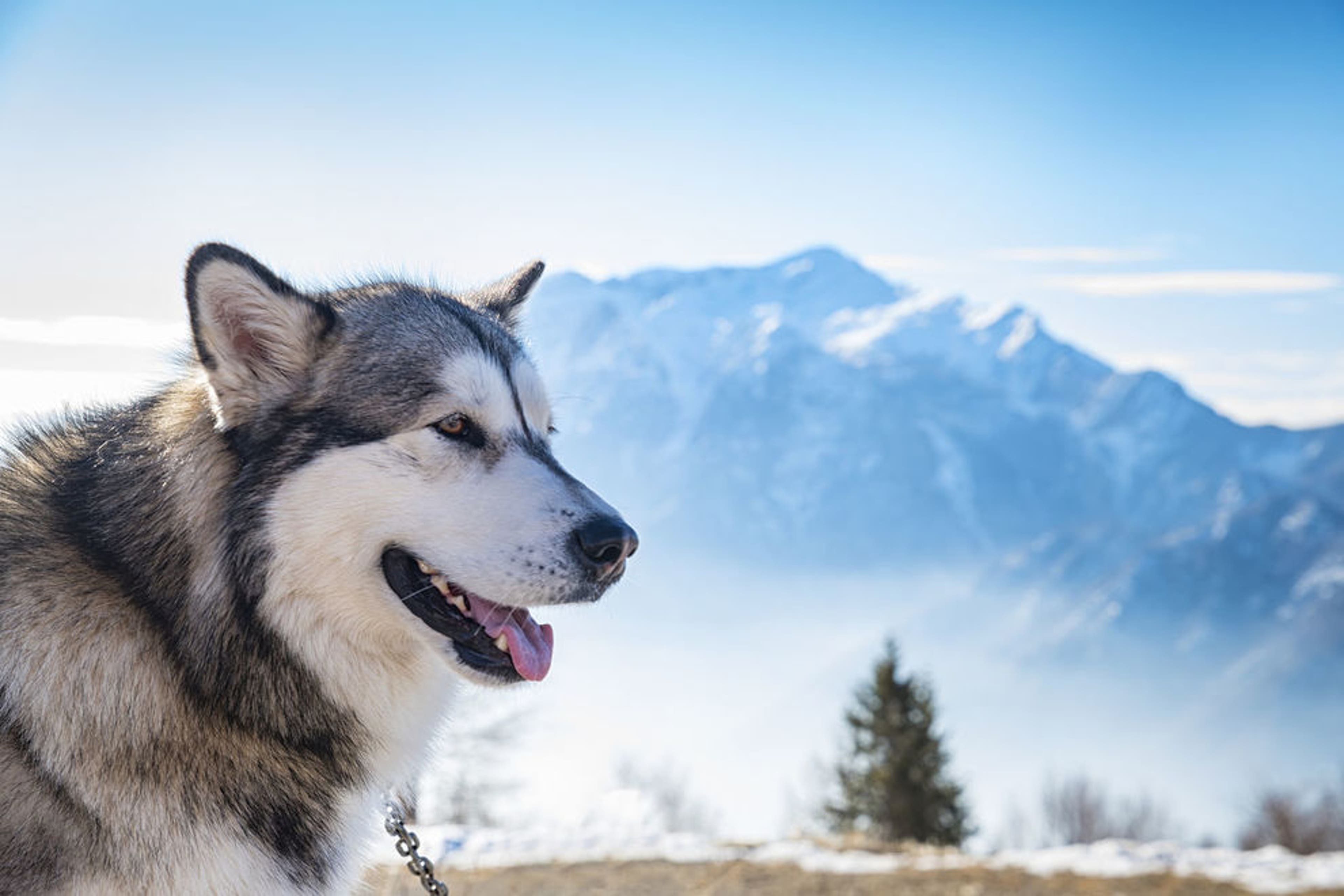 Photo courtesy of iStock / Nicola Colombo
Alaskan Malamute – Alaska
One of the oldest sled dog breeds from the Arctic region, the Alaskan Malamute likely descended from domesticated wolf-dogs who crossed the Bering Strait alongside Paleolithic hunters. They’re named after the Mahlemut Inuit tribe, who bred the dogs to haul sleds over long distances and sniff out seal breathing holes in the ice.
Advertisement
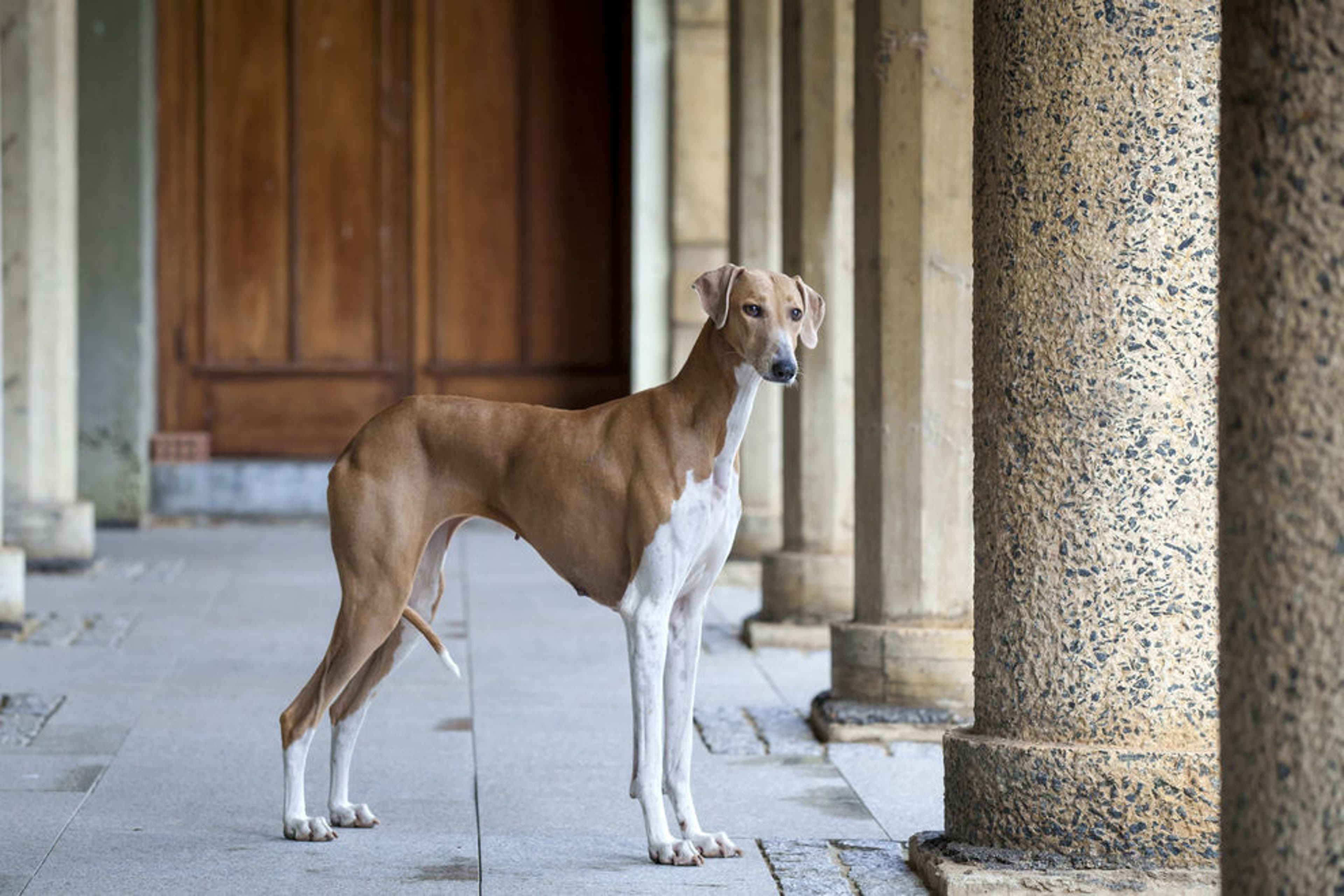 Photo courtesy of iStock / animalinfo
Azawakh – West Africa
The elegant Azawakh comes from the arid south Sahara and Azawakh Valley, where they were traditionally kept by Tuareg nomads (and treated as members of the family). The dogs typically doubled as camp guardians and sighthounds for hunting hare, antelope or wild boar.
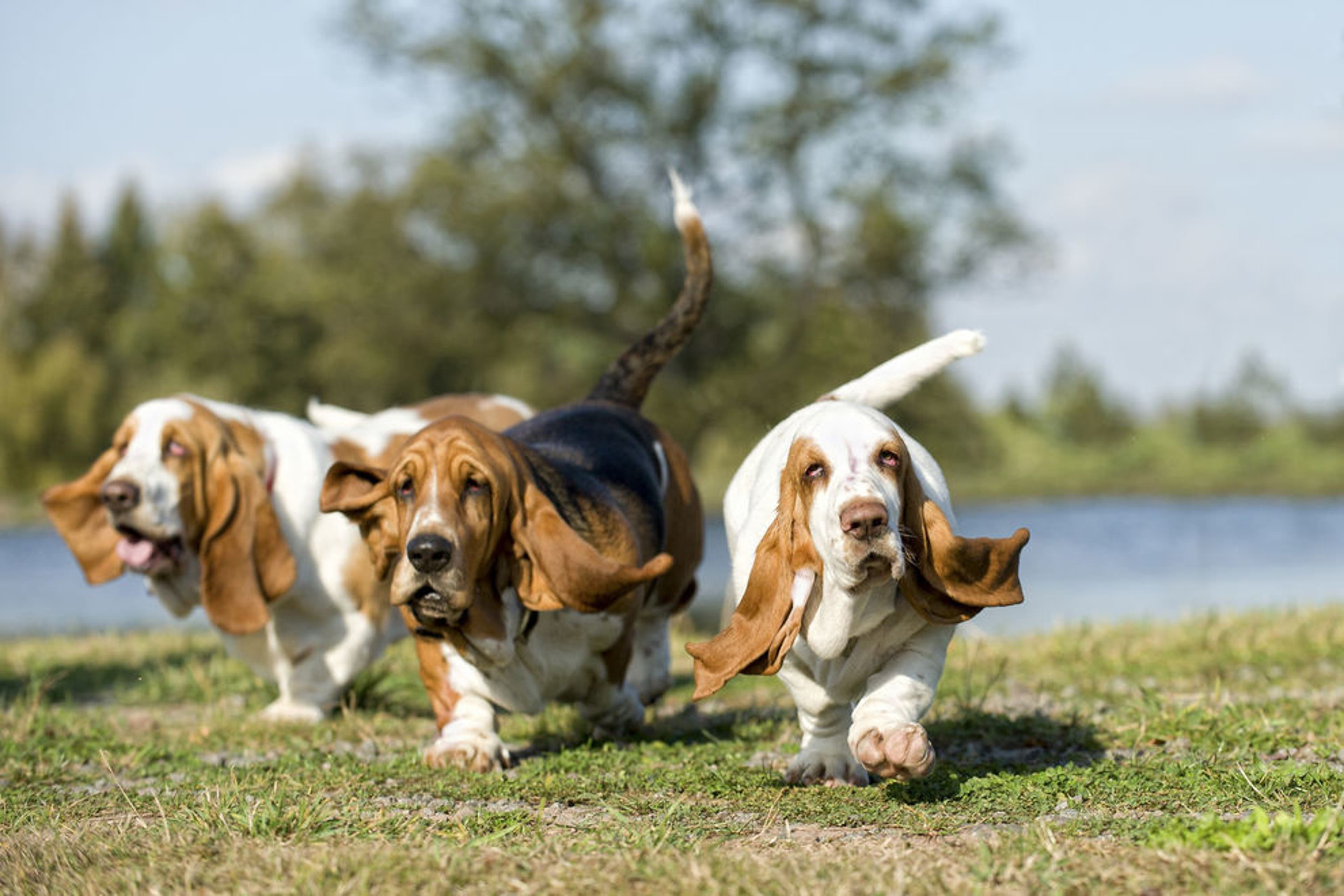 Photo courtesy of iStock / dageldog
Basset Hound – France
The charming and instantly recognizable Basset Hound was originally bred in France and Belgium as a scent hound. Friars at the Benedictine abbey of St. Hubert played a part in developing the low-built dogs, who were able to traverse rough terrain as they tracked rabbit and deer.
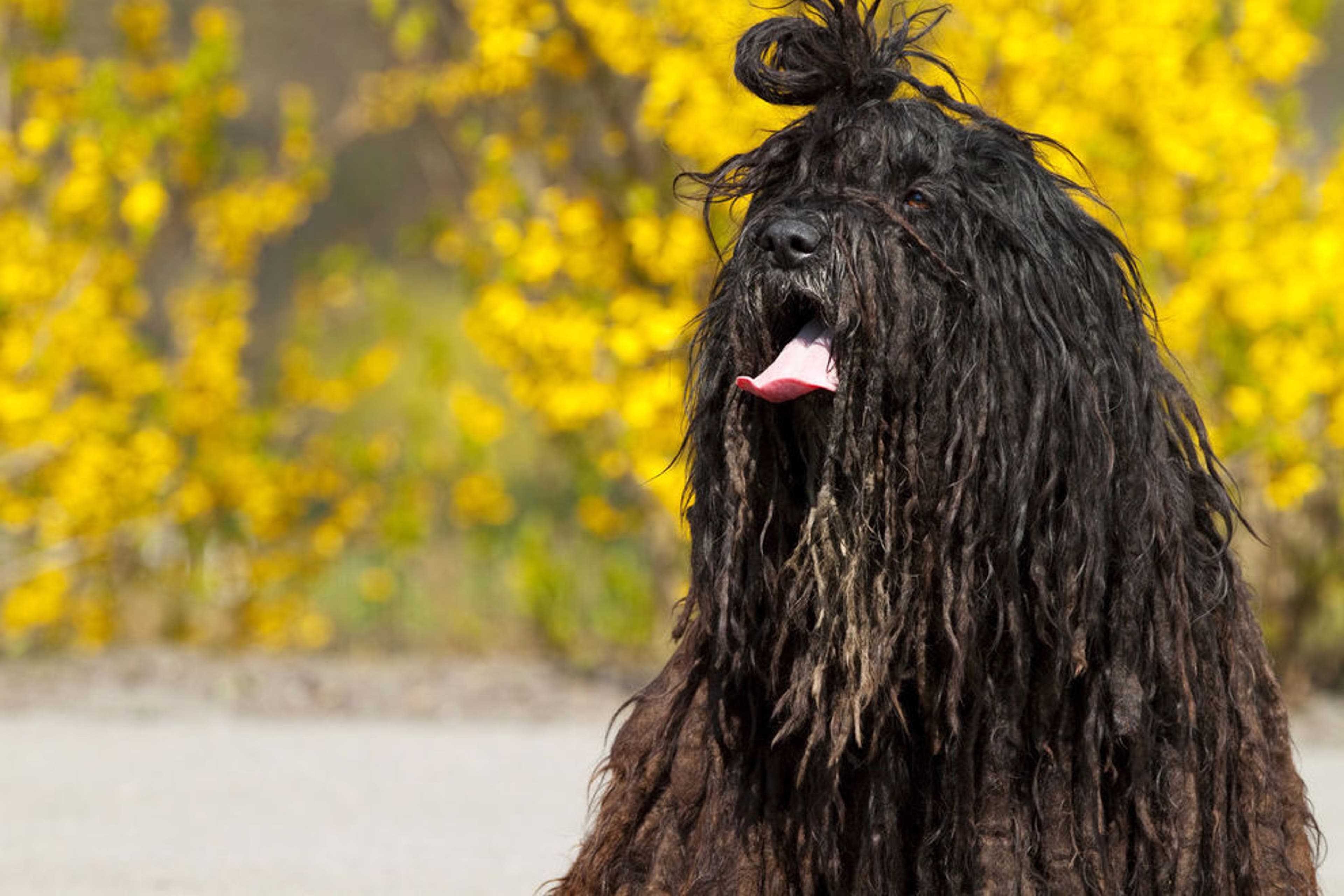 Photo courtesy of iStock / Magdanphoto
Bergamasco Shepherd – Italy
These dogs, known for their shaggy hairdos, are closely associated with Bergamo in the Italian Alps, where they were used to guard sheep on the rocky terrain.
Advertisement
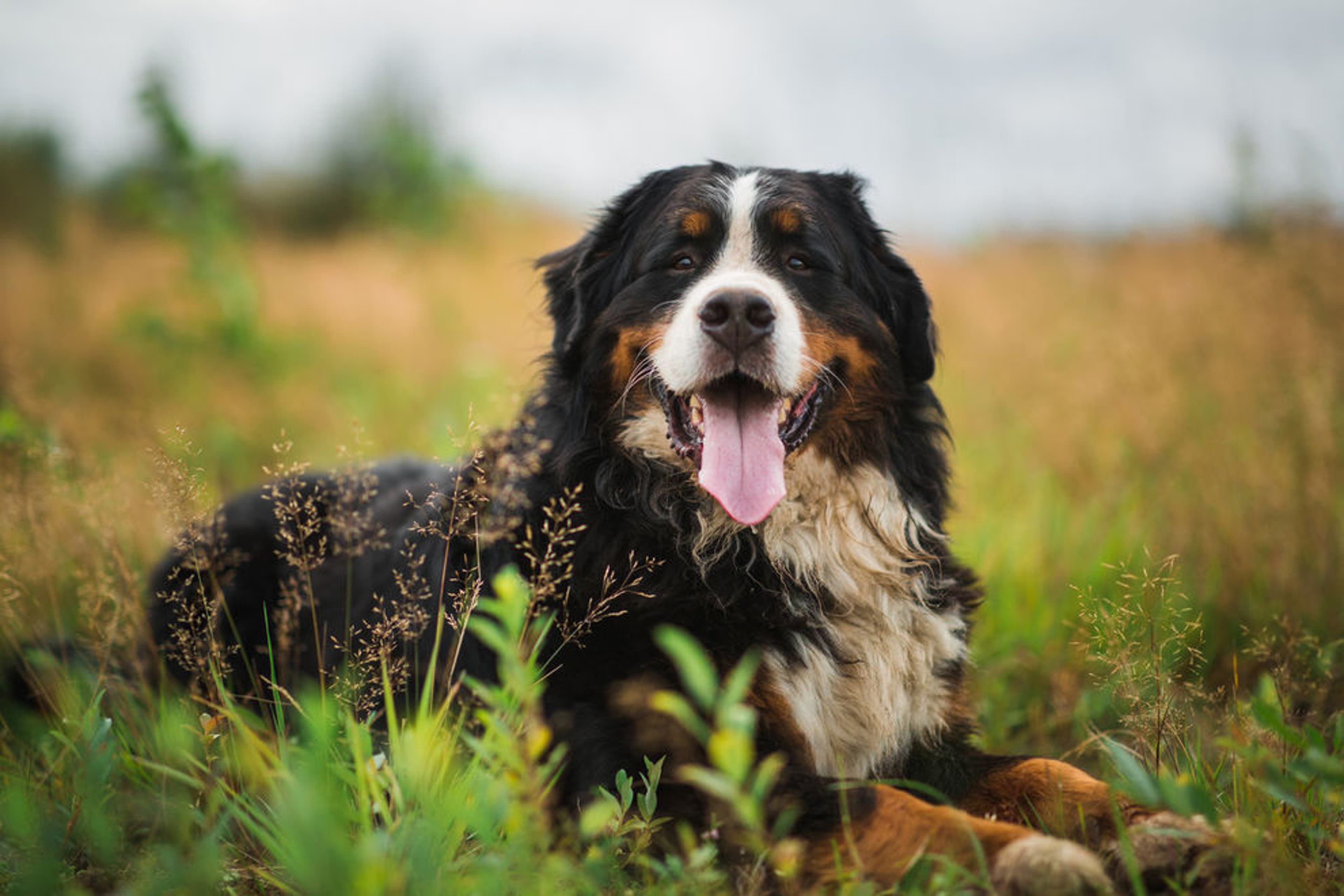 Photo courtesy of iStock / Aleksandr Zotov
Bernese Mountain Dog – Switzerland
Bernese Mountain Dogs originally come from the canton of Bern in west-central Switzerland, where they were bred to drive cattle and guard the farms spread across the region’s hilly terrain.
They can pull many times their weight, which led to their rising popularity as farm dogs in the U.S. as well, after the first pair was brought into the country by a Kansas farmer in 1926.
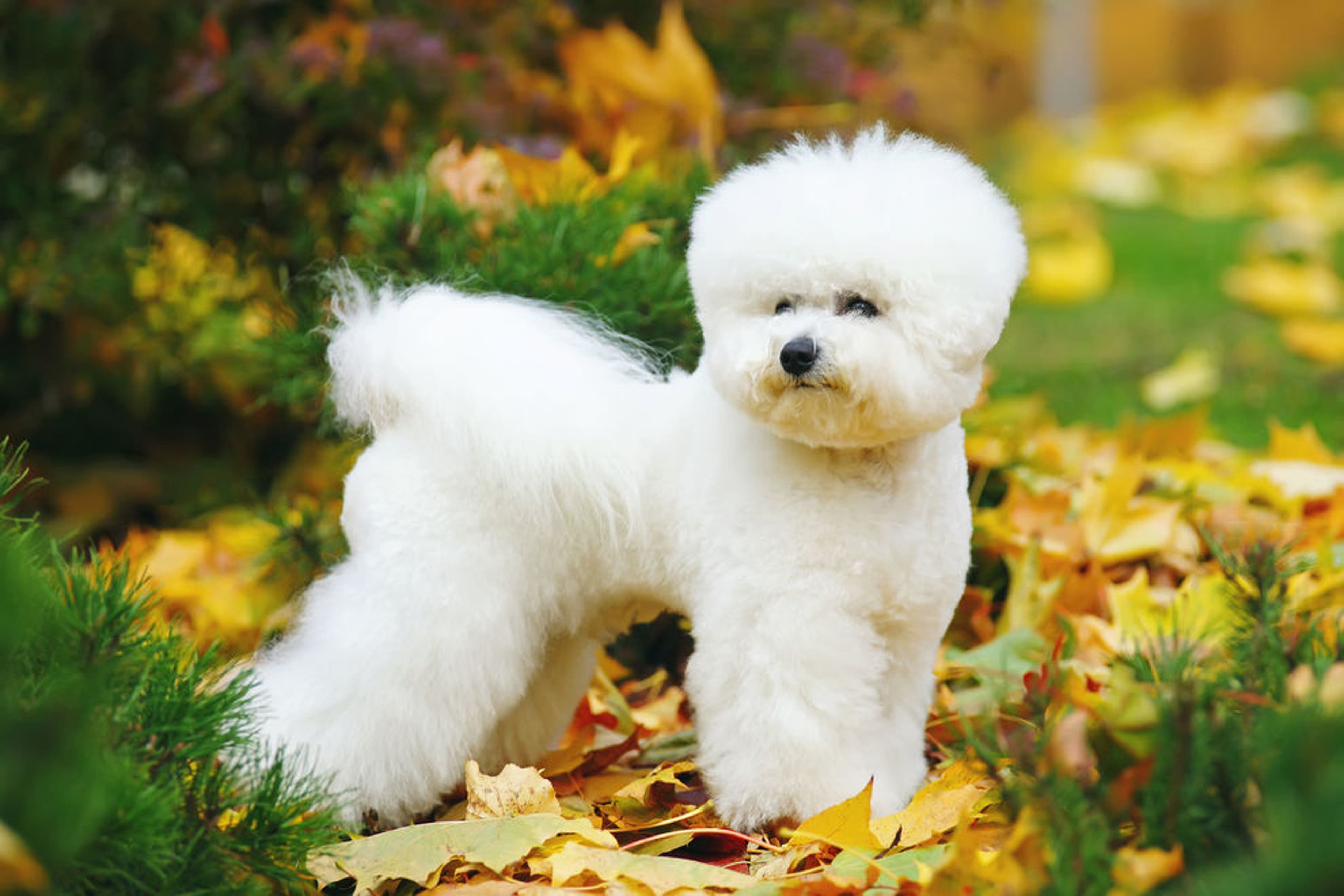 Photo courtesy of iStock / Eudyptula
Bichon Frise – Canary Islands, Spain
Bichon Frise is French for “curly lap dog,” an apt description for this toy dog. While commonly associated with France, the breed originated in the Canary Islands of Spain, where they were used as sailing dogs. By the 13th century, they’d become a favored lapdog in the royal courts of Western Europe.
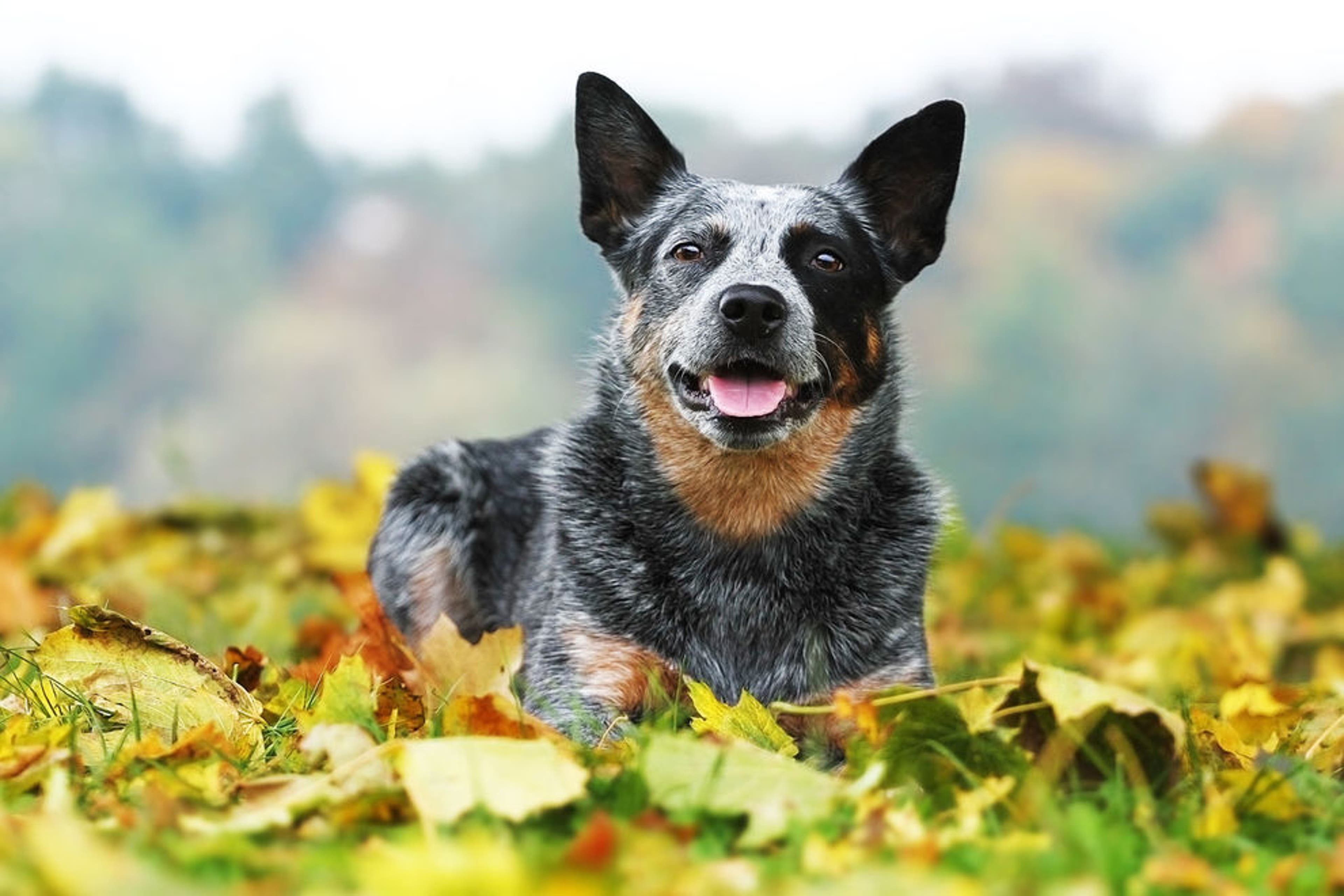 Photo courtesy of iStock / Carmelka
Blue Heeler – Australia
The blue heeler, officially known as the Australian Cattle Dog, comes from the land down under, originally a cross between imported British Smithfields, Scottish Highland Collies, Dalmatians, and wild dingoes. They get their name for their coat that often turns a blue-gray shade.

Advertisement
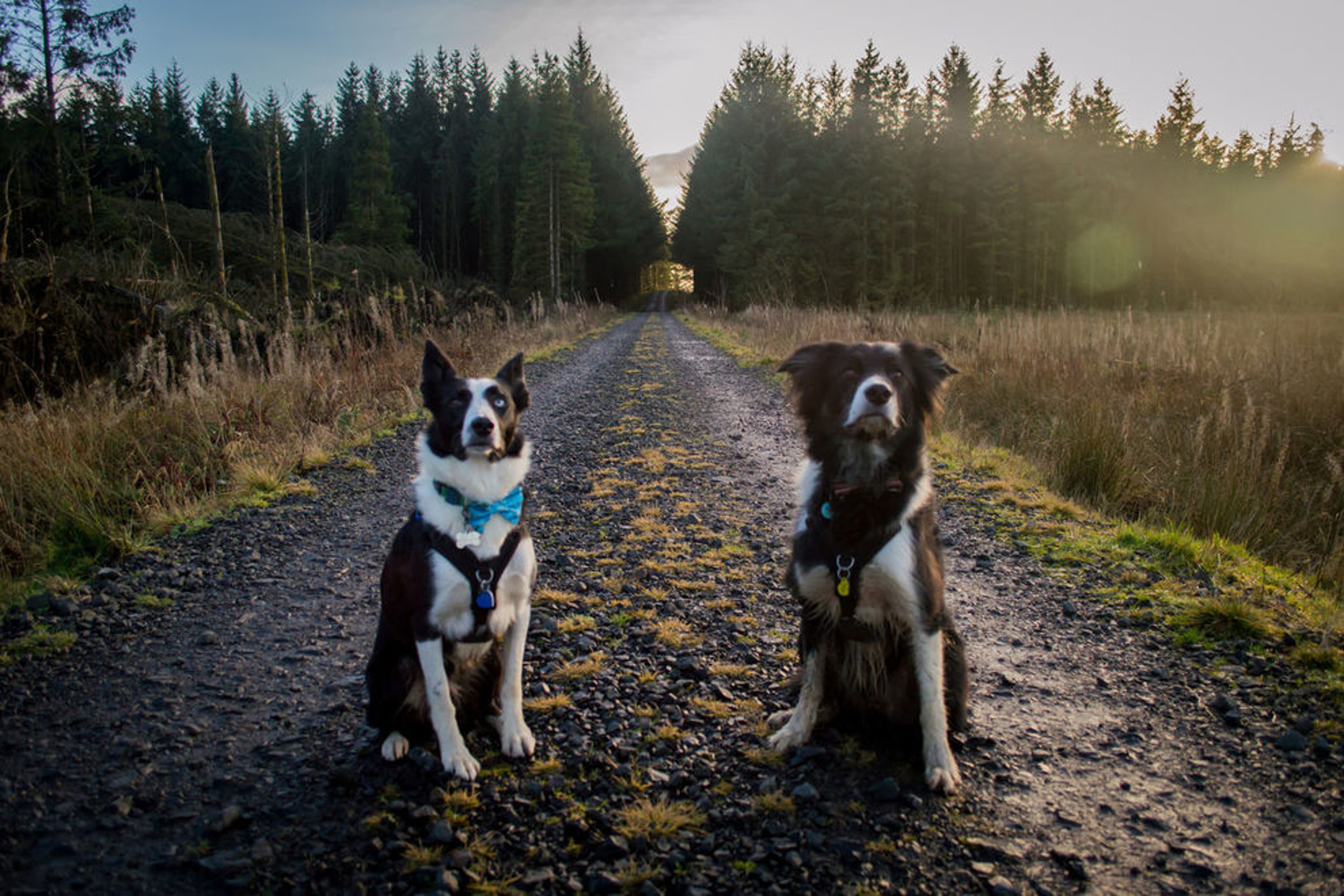 Photo courtesy of iStock / Lhanna Frost
Border Collie – Scotland
Border Collies, developed in the Scottish borders as a herding dog, continue their traditional work throughout the world. The breed’s lineage can be traced back to old Roman dogs and Viking spitzes, both brought to the British Isles by conquerors.
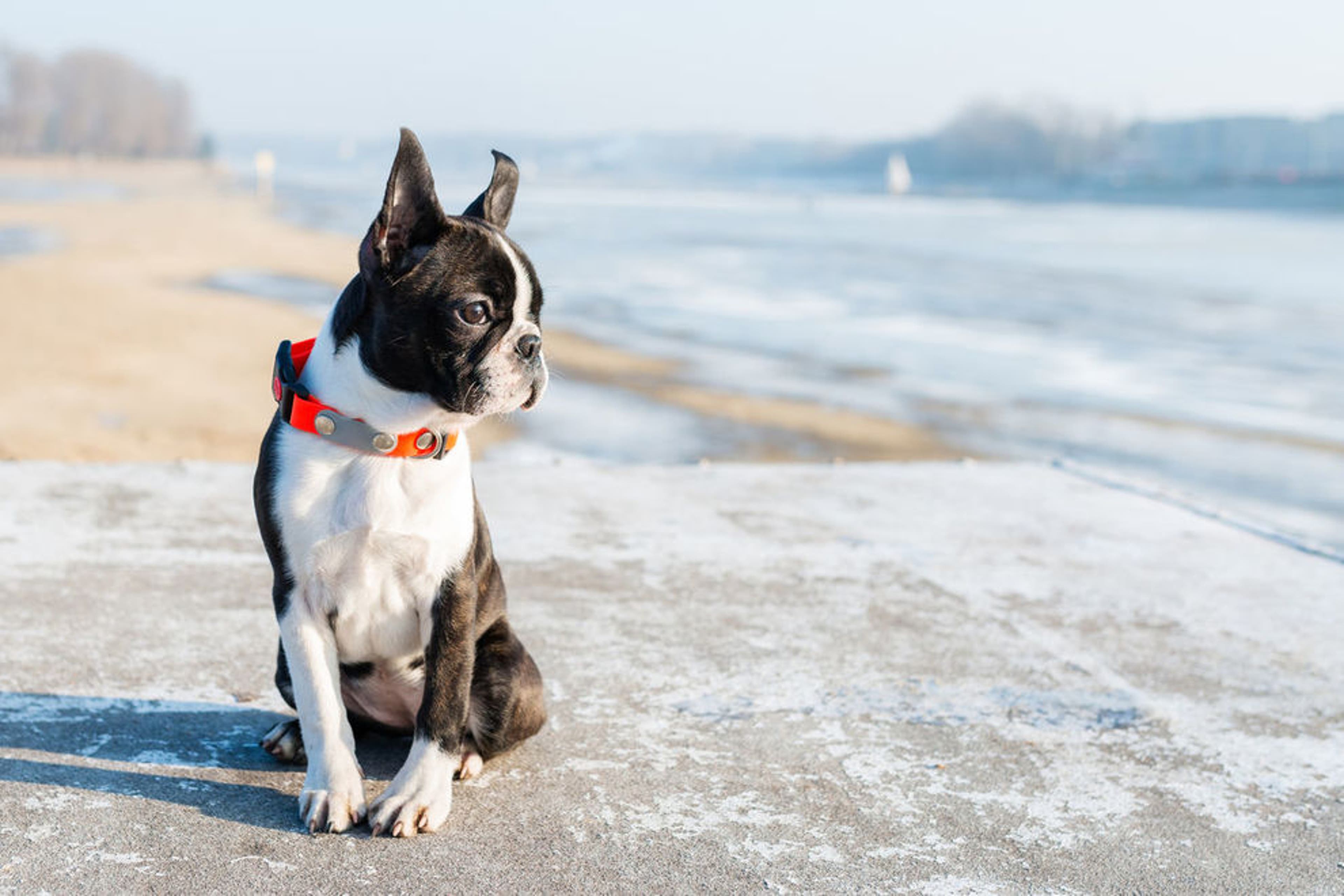 Photo courtesy of iStock / Wojciech Kozielczyk
Boston Terrier – Boston, Massachusetts
The Boston Terrier, nicknamed the “American Gentleman,” originated in the 1870s as a cross between a bulldog and a white English Terrier. The resulting dog – the ancestor of all modern Boston Terriers – was named Judge, and was sold to a Boston man named William O’Brien. They’re the official dog of Massachusetts and the mascot of Boston University.
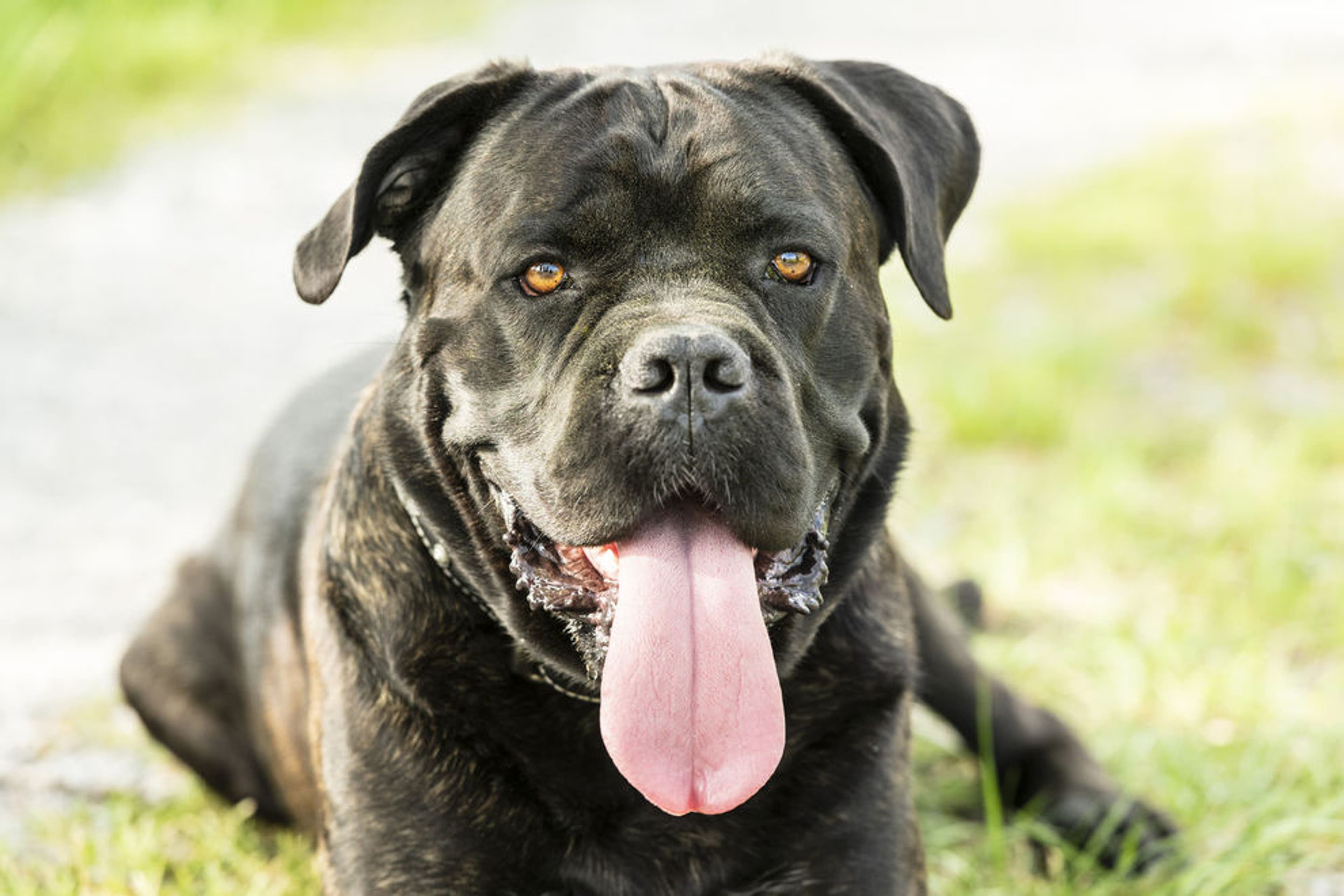 Photo courtesy of iStock / Kemter
Cane Corso – Southern Italy
This muscular dog from southern Italy descended from the Roman molosser and was frequently tasked as a night watchdog on farms throughout Basilicata, Campania and Apulia.
Advertisement
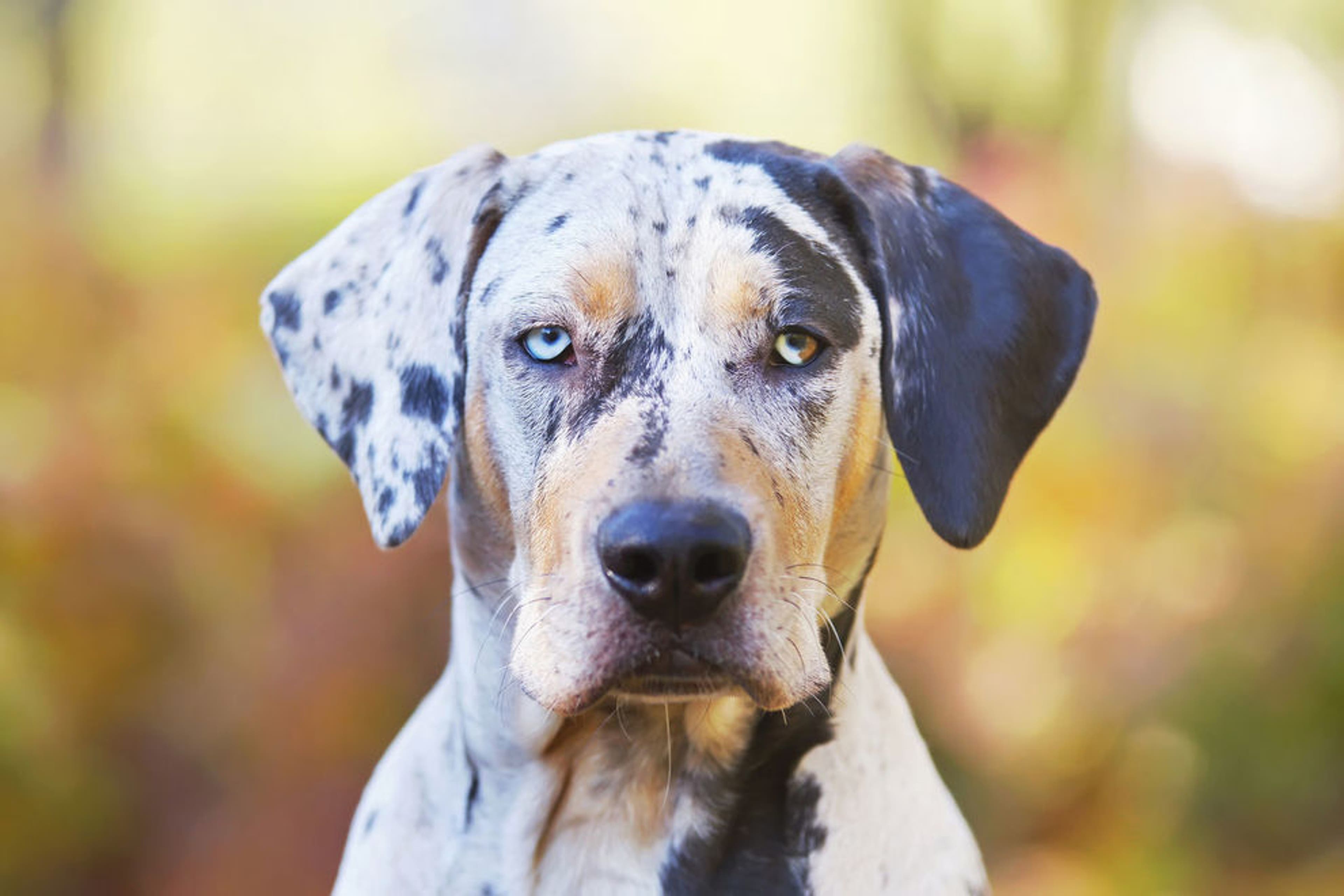 Photo courtesy of iStock / Eudyptula
Catahoula Leopard Dog – Louisiana
The Catahoula Leopard Dog, the state dog of Louisiana, is likely a cross between dogs brought over by Spanish and French explorers and the dogs kept by Native Americans in Northern Louisiana.
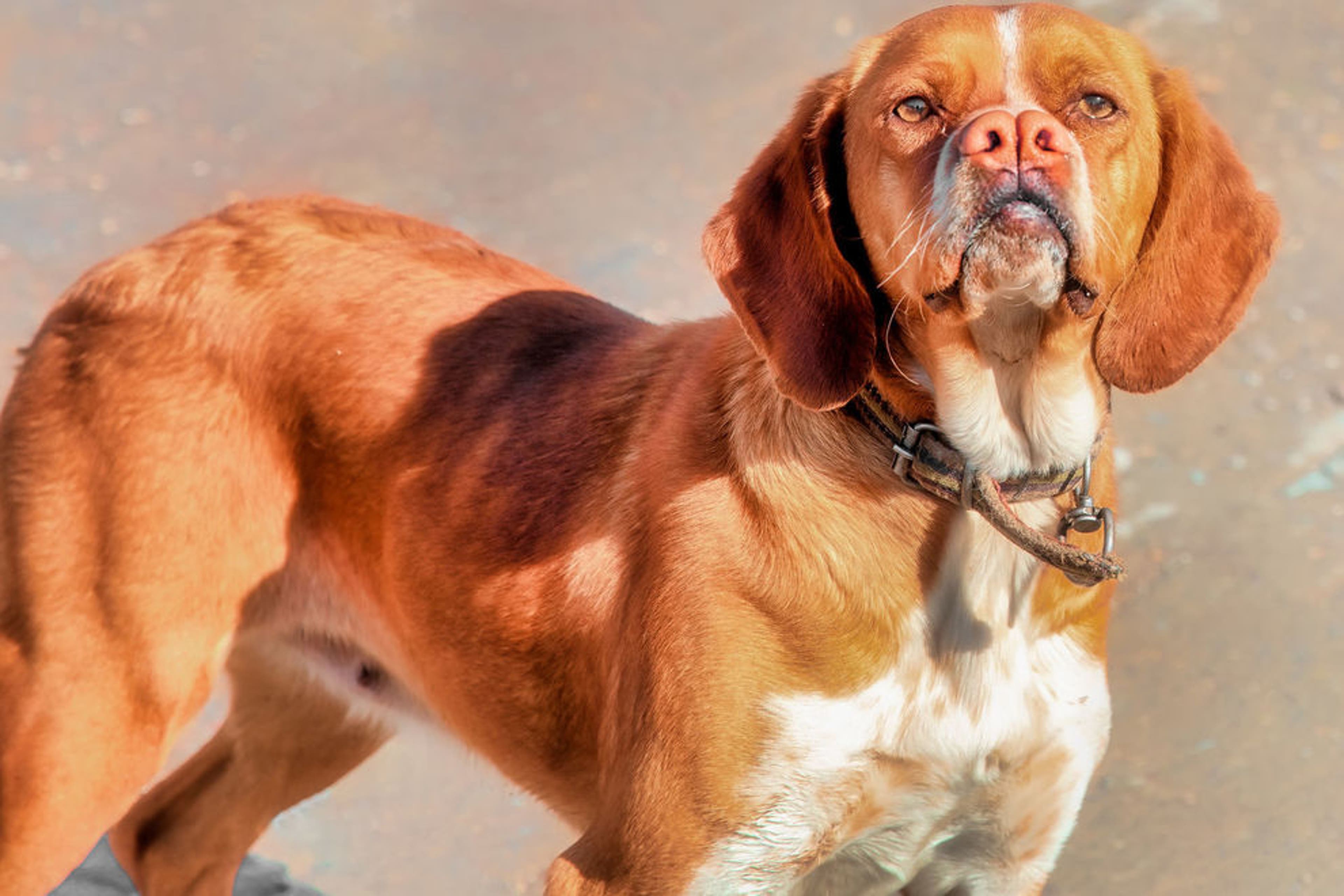 Photo courtesy of iStock / HAYKIRDI
Catalburun – Turkey
The Catalburun, or Turkish Pointer, is easily recognized by the deep crease running between its nostrils, making its nose look forked. The breed’s history is largely a matter of speculation, but it’s mostly found in the Mersin province.
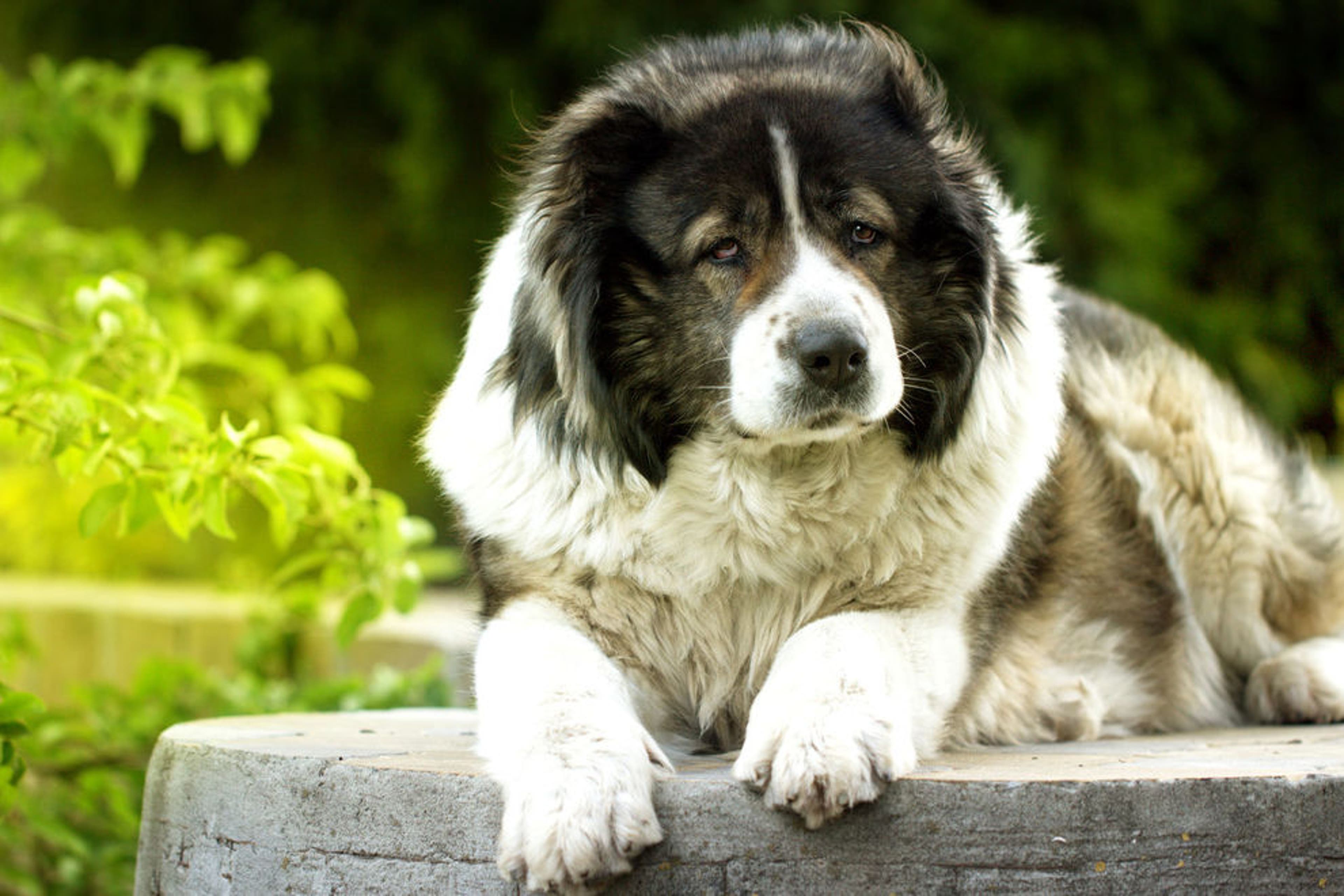 Photo courtesy of iStock / Kateryna Ovcharenko
Caucasian Shepherd Dog – Russia
The Caucasian Shepherd Dog comes from the Caucasus Mountains of Eastern Europe, where it has existed for centuries. These loyal guardians were likely introduced into the bloodlines of many other breeds, including Balkan sheepdogs and Asian mastiffs.
Advertisement
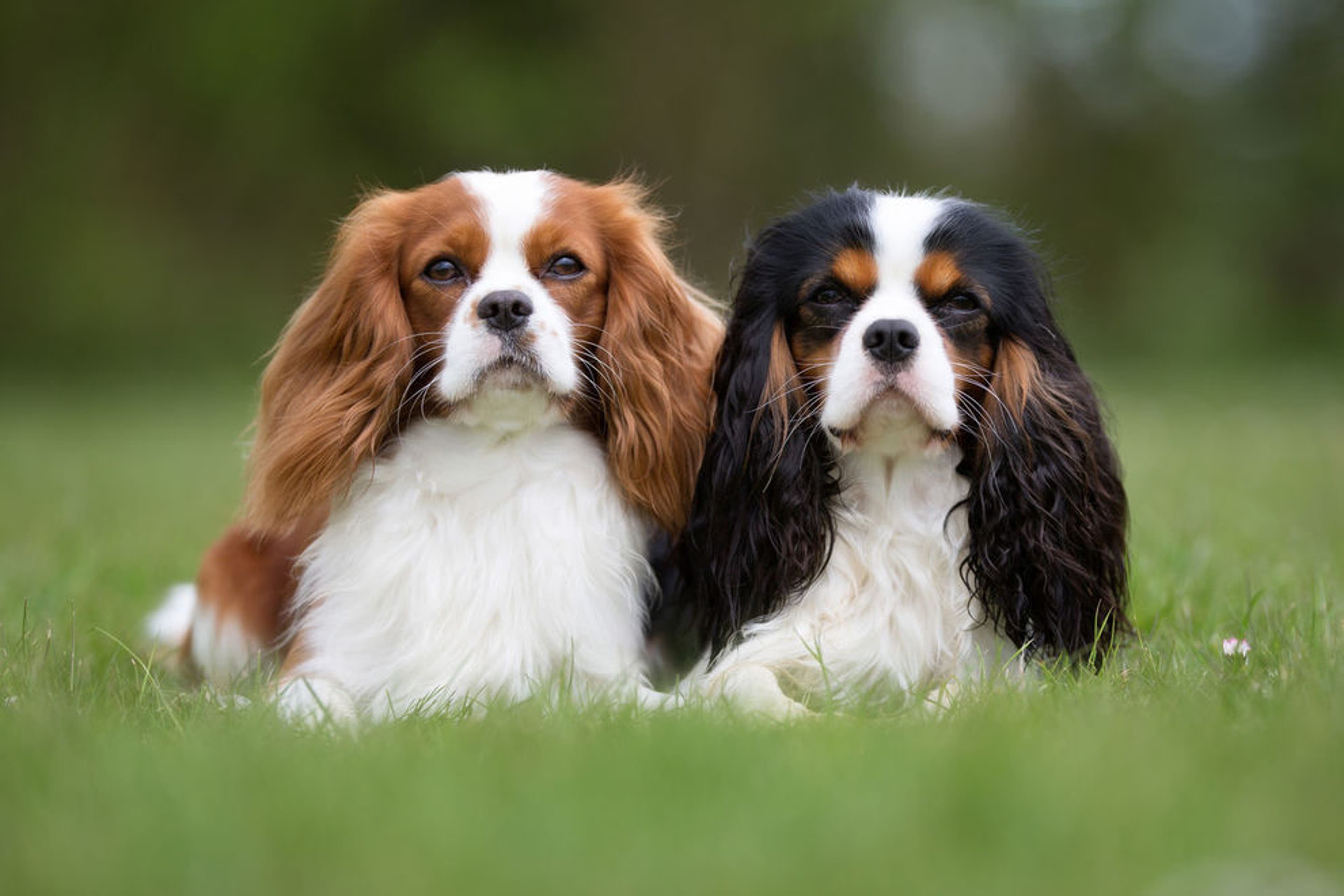 Photo courtesy of iStock / Bigandt_Photography
Cavalier King Charles Spaniel – United Kingdom
The Cavalier King Charles Spaniel ranks among the most popular breeds in the United States, but its origins lie in England, where they were fancied by King Charles I and his son Charles II. The breed was later crossed with pugs and the Japanese Chin, resulting in the King Charles Spaniel we know today.
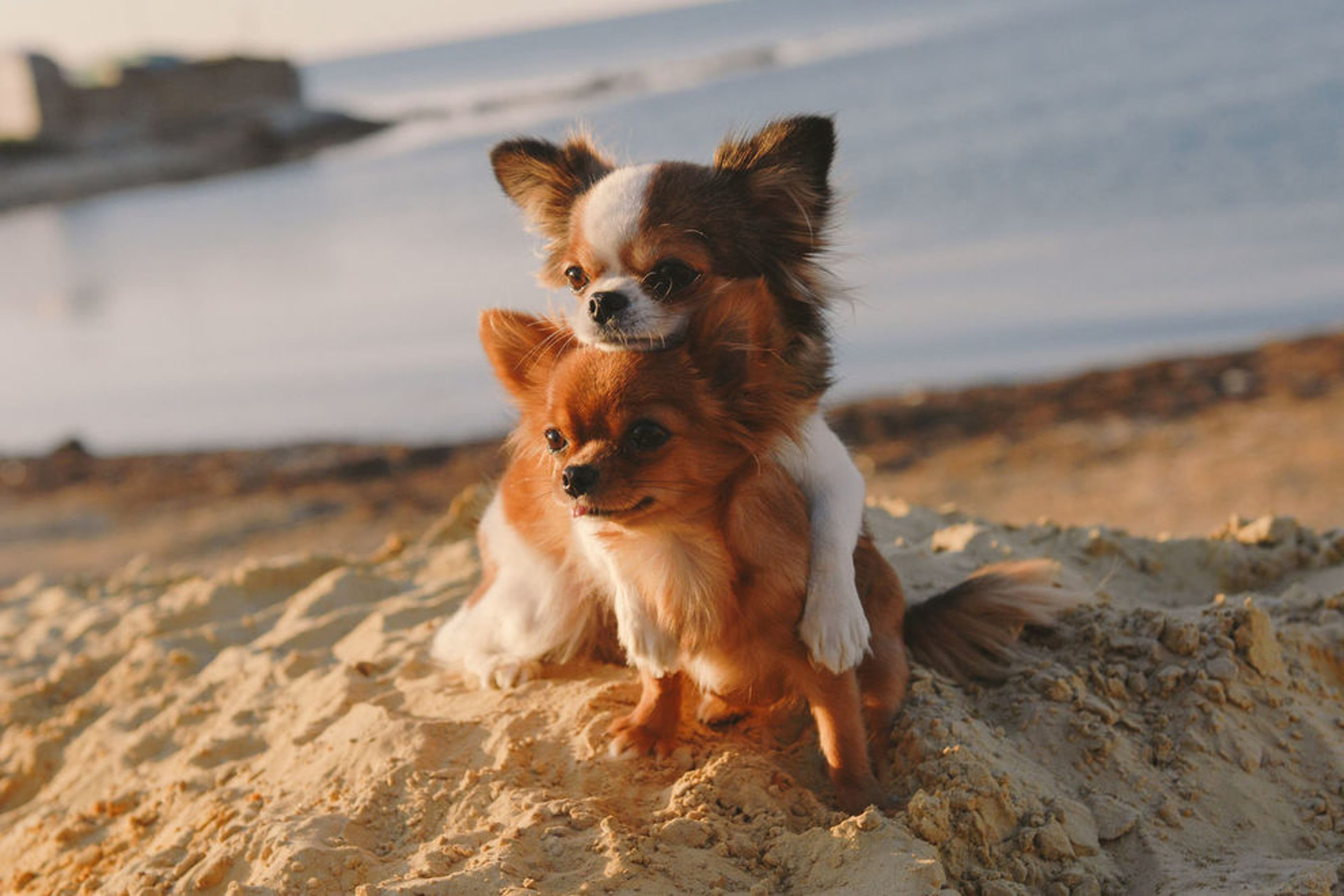 Photo courtesy of iStock / Ruslanshug
Chihuahua – Mexico
The tiny Chihuahua has become a symbol of Mexico in a big way. The Chihuahua is among the oldest breeds in the Americas, dating back to pre-Columbian times – you can spot similar dogs on artifacts from lost civilizations.
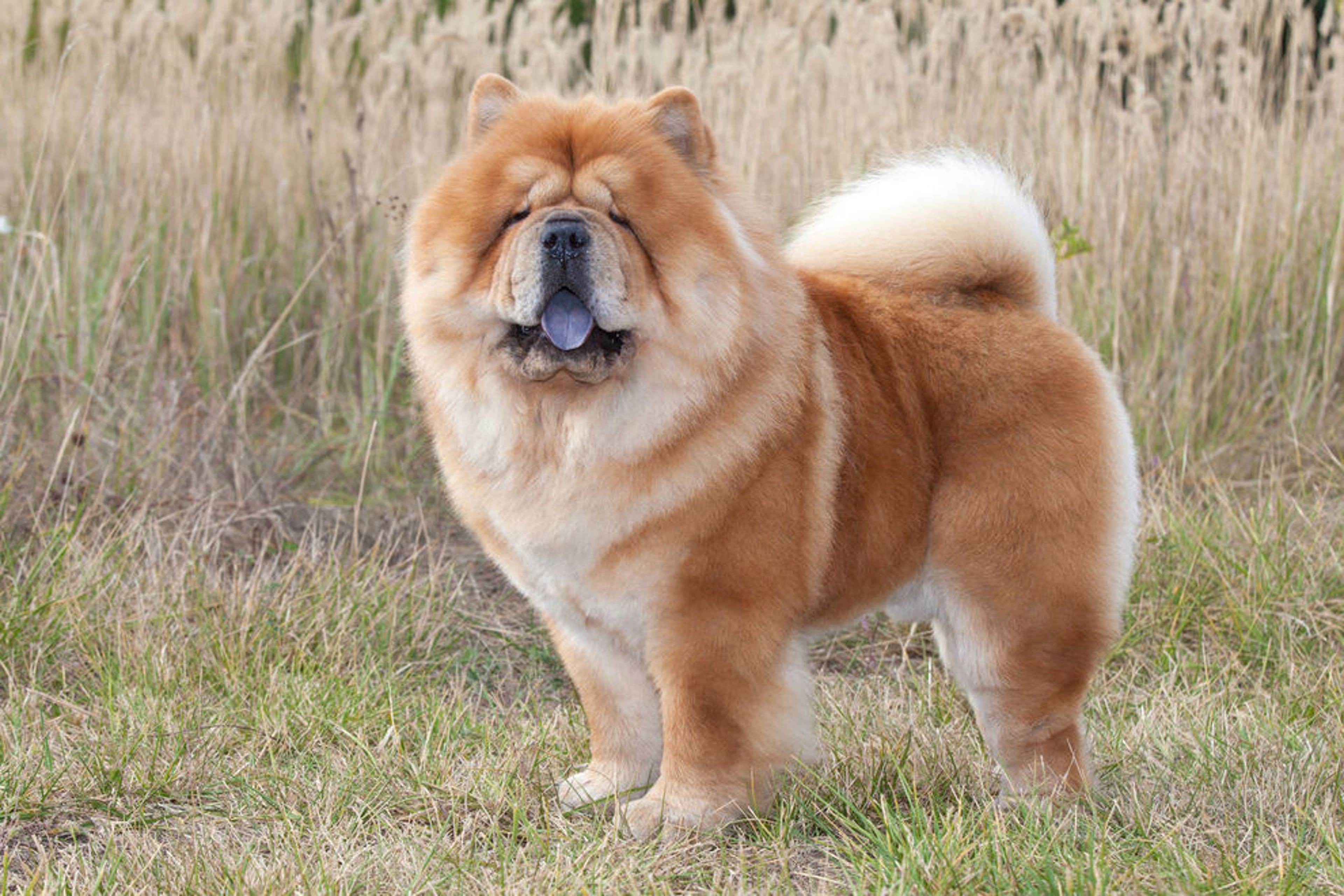 Photo courtesy of iStock / VKarlov
Chow Chow – Northern China
In China, where this breed originates, the Chow Chow is known as the Songshi-Quan, or “puffy lion dog.” Evidence of the breed dates back to the Han Dynasty, but Chows likely go back much further. Throughout their history, they’ve served as companion dogs to Chinese nobility (one Tang Dynasty emperor was said to have 5,000 Chows), haulers and hunters.
Advertisement
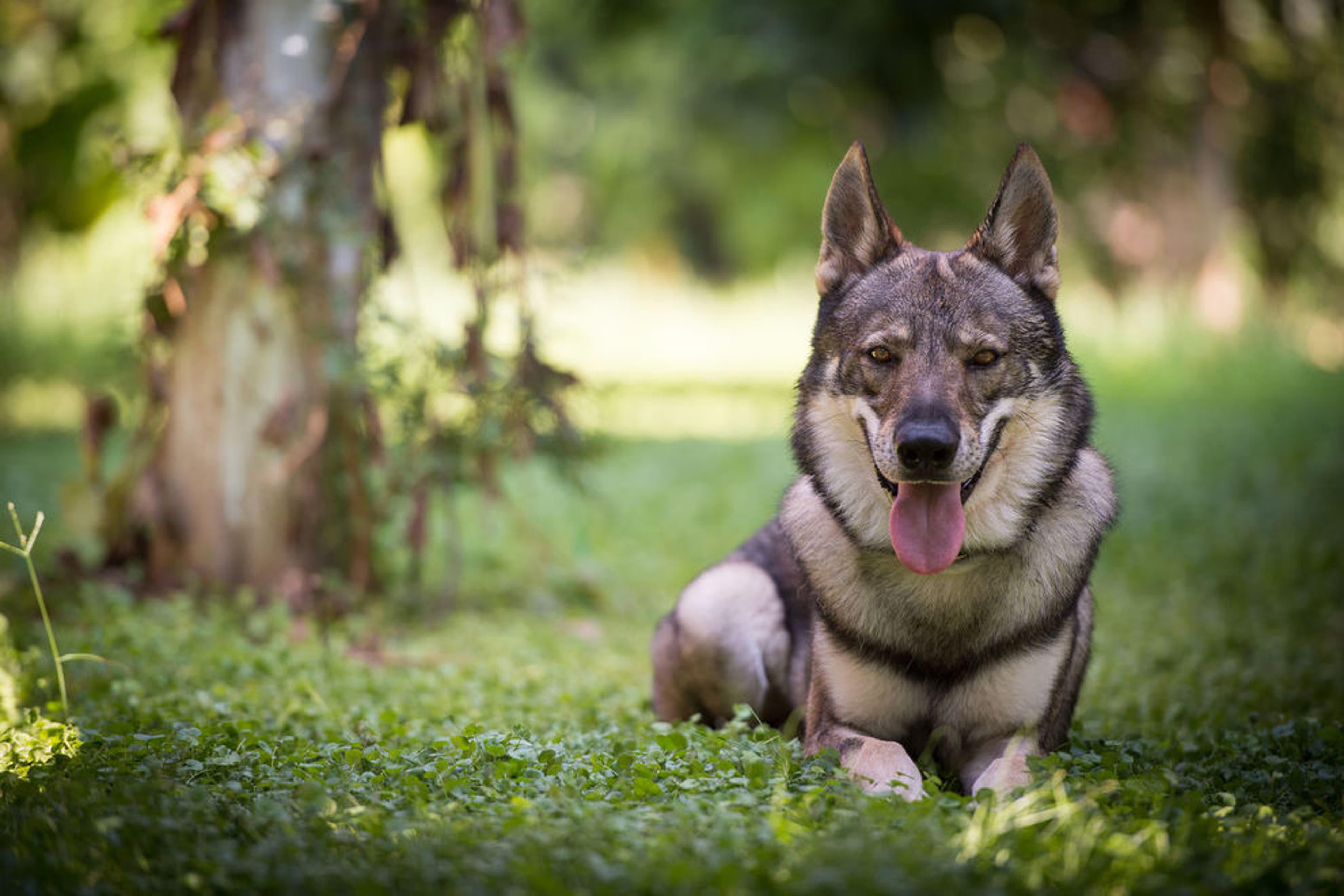 Photo courtesy of iStock / Emre Ceylan
Czechoslovakian Wolfdog – Czechoslovakia
This wolf-like dog was bred from German Shepherds and Carpathian wolves for patrolling the border of Czechoslovakia during the 1950s. They’re still used as search and rescue dogs to this day.
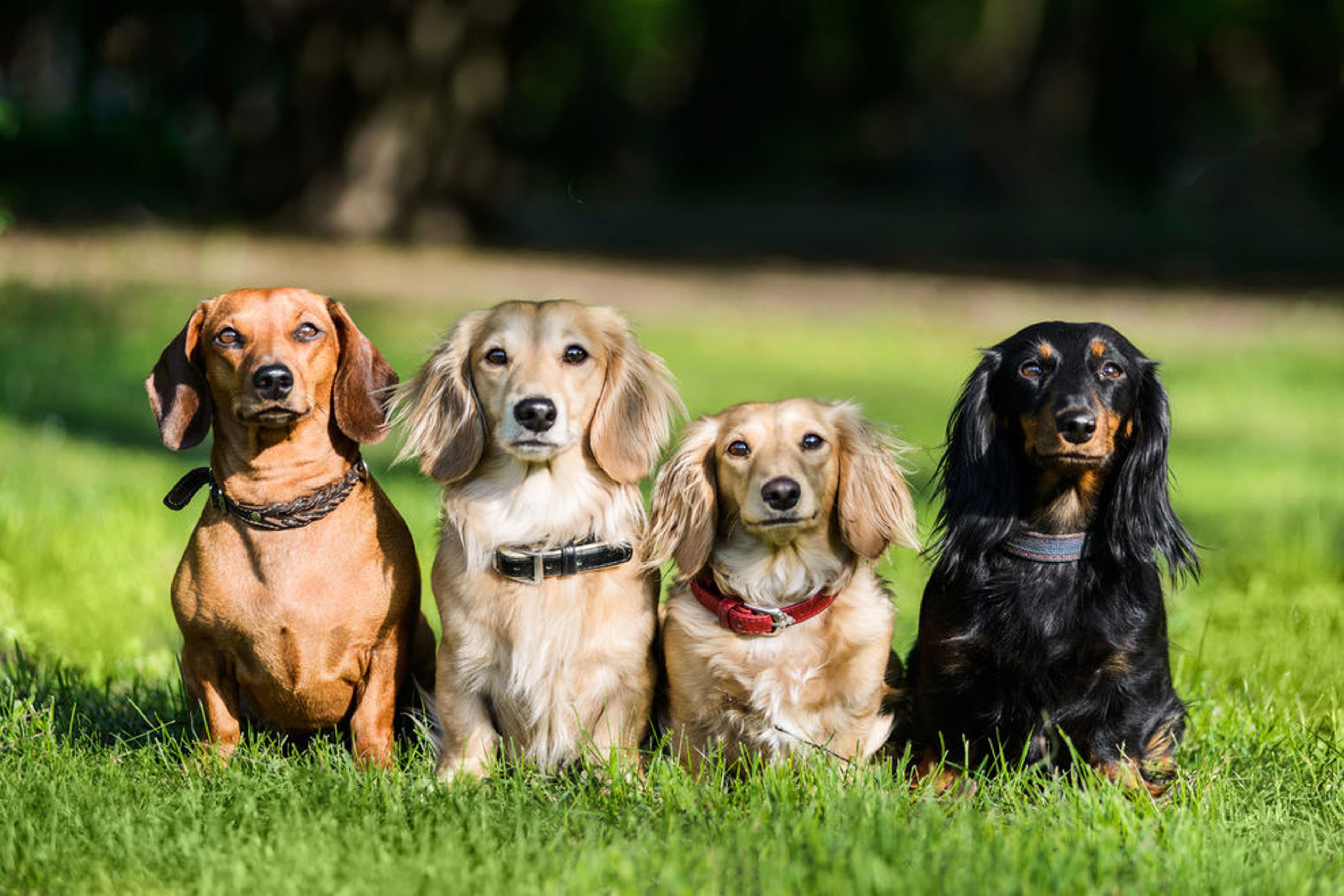 Photo courtesy of iStock / olgagorovenko
Dachshund – Germany
“Dachshund” means “badger dog” in German, and the breed was originally developed to dig into badger dens some 600 years ago. Anti-German sentiment during World War I led the breed in the U.S. to be called “liberty hounds” for a time.

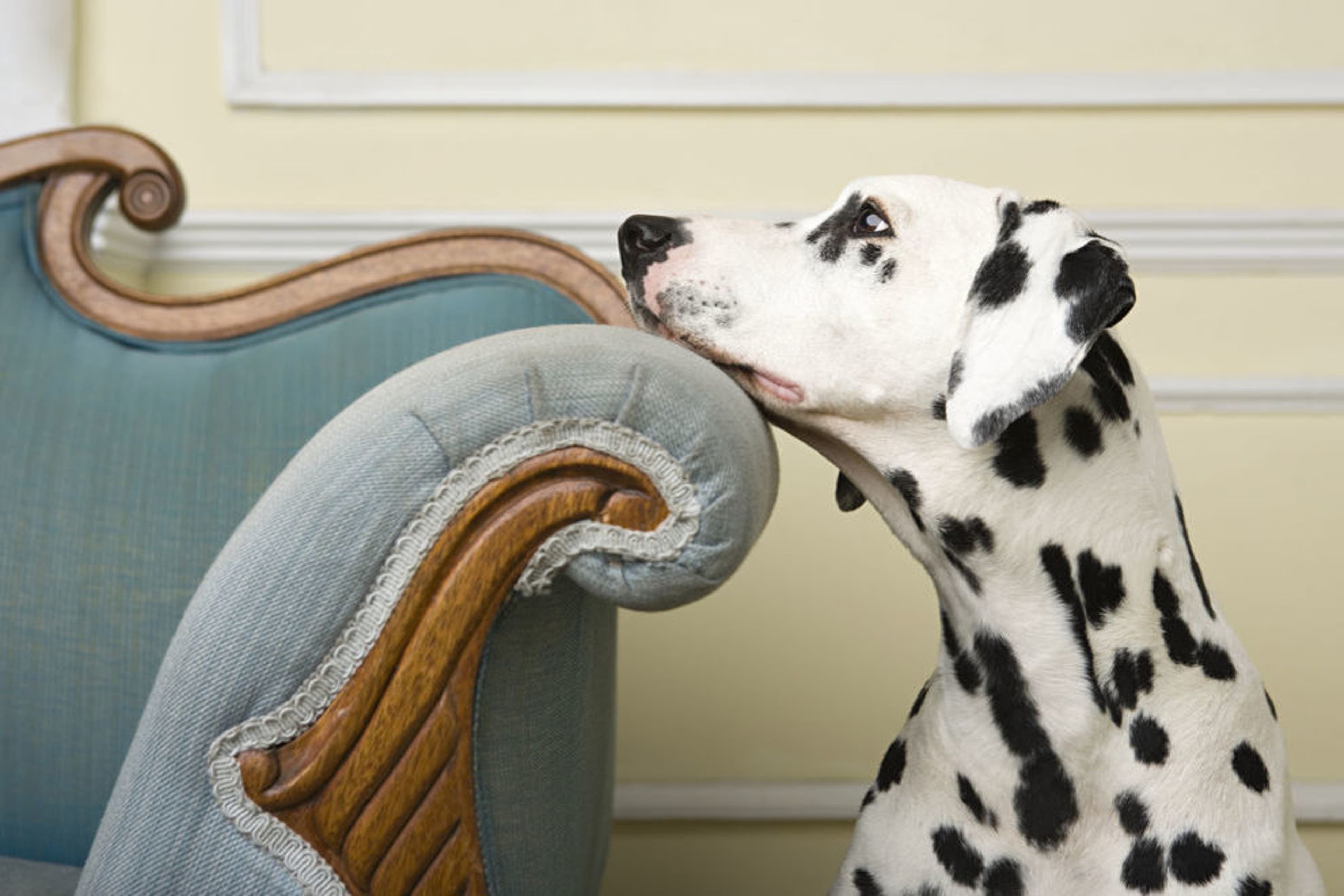 Photo courtesy of iStock / Image Source
Dalmatian – Croatia
While the original origins of this beloved spotted dog are contested, they certainly became popular along the Adriatic Sea in the area known as Dalmatia. Dalmatians are classified as coach dogs, whose traditional job was to protect horse-drawn carriages of the Romani people.
Advertisement
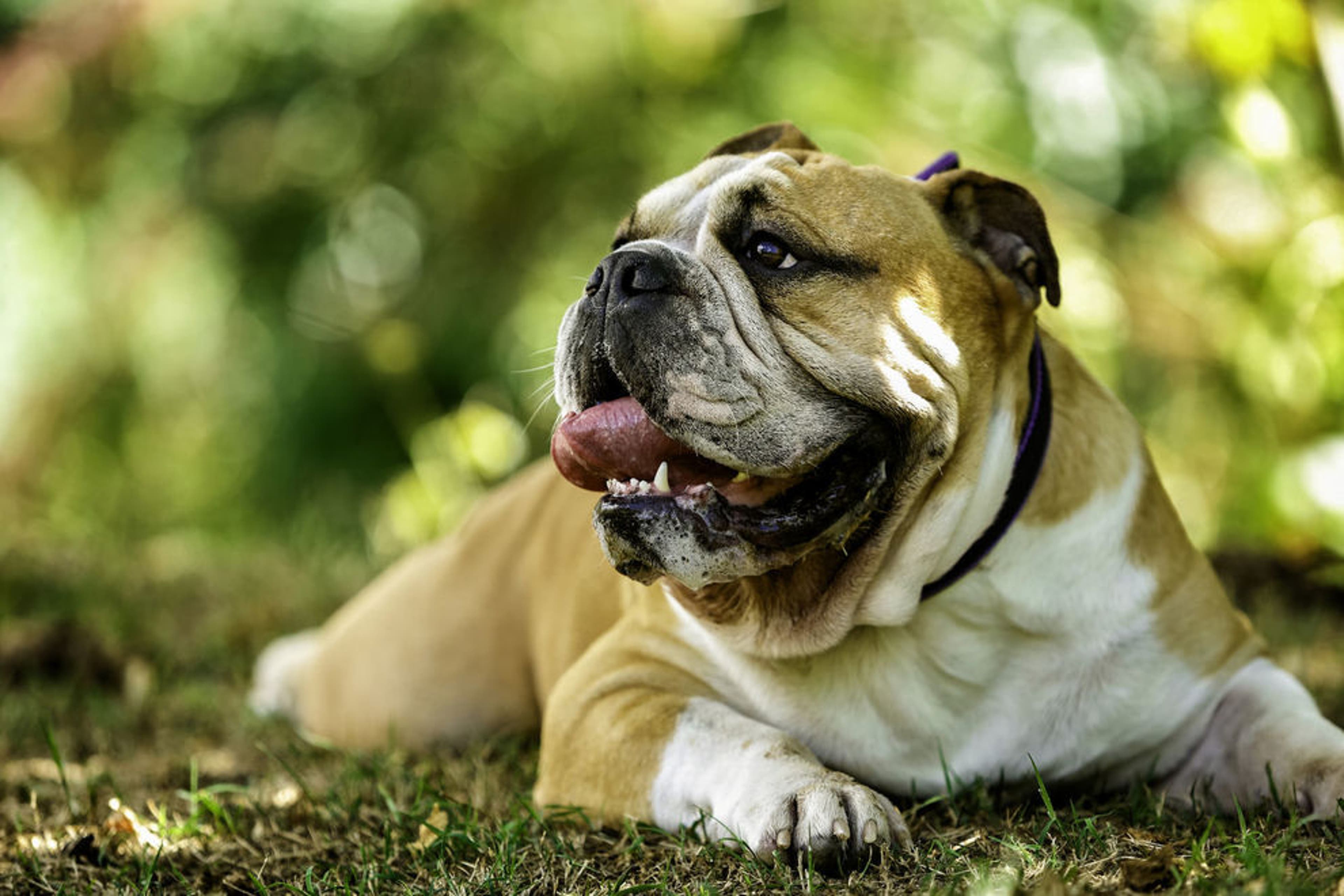 Photo courtesy of iStock / apomares
English Bulldog – England
The ancestors of the modern bulldog were used in the grisly sport of bull-baiting, which was banned in England in 1835. Breeders began developing the dog from a big-jawed brawler to the friendly companion dog we know today.
While the bulldog has long been a symbol of England, it’s also a popular mascot in the U.S. Handsome Dan at Yale is believed to be the first animal mascot in sports.
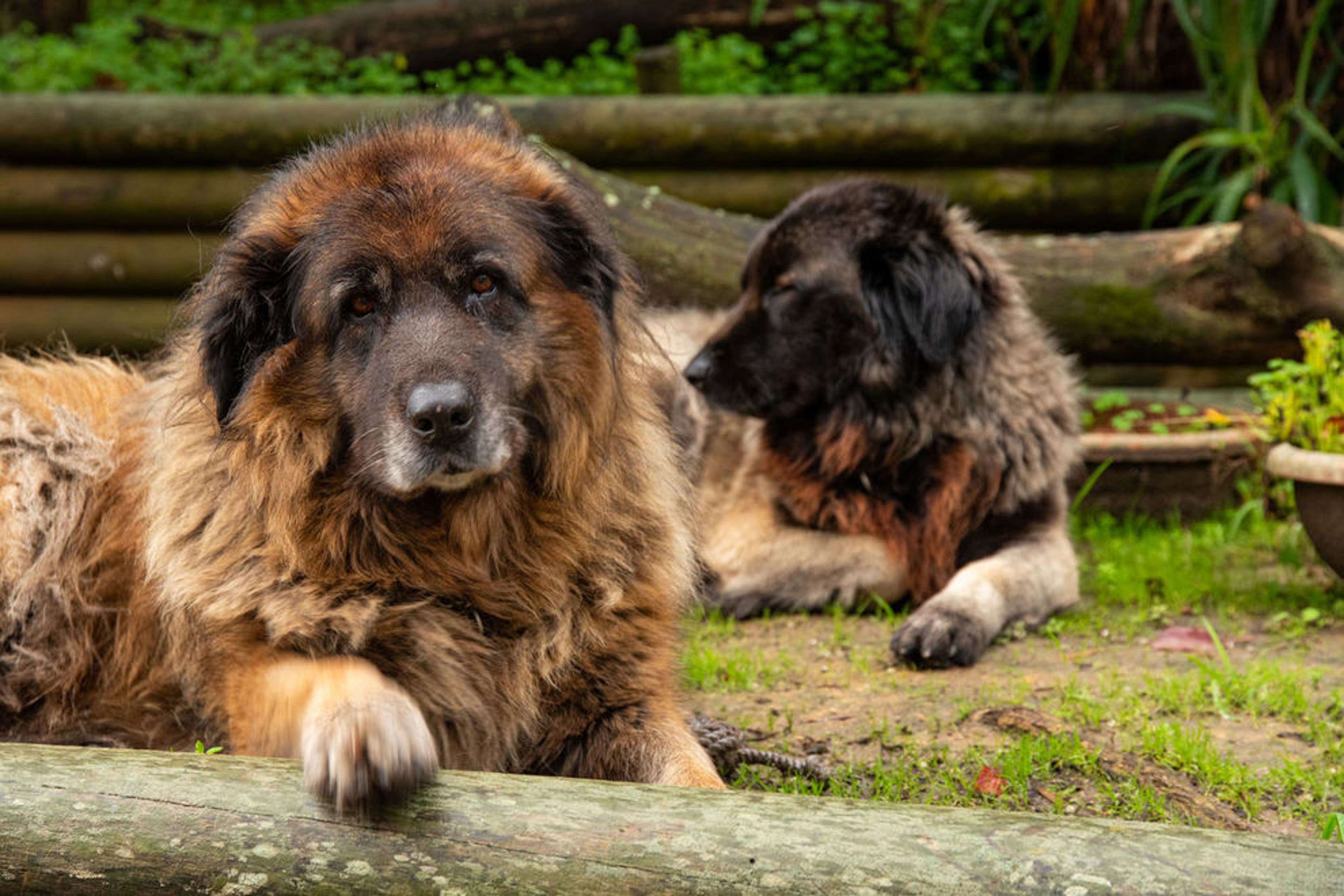 Photo courtesy of iStock / studiof22byricardorocha
Estrela Mountain Dog – Portugal
The ancestors of the Estrela Mountain Dog were herd guards in the Serra da Estrela of what is now Portugal. The breed (one of the oldest in the country) was developed over centuries, as shepherds selected dogs for breeding that were large, strong, agile and loyal.
 Photo courtesy of iStock / olgagorovenko
Fila Brasileiro – Brazil
The Fila Brasileiro, or Brazilian Mastiff, was developed in Brazil as a tracking dog that traps its prey and waits for the hunter to arrive. The large dogs are known for their loose skin and impetuous temperaments, making them unsuitable as pets for most people.
Advertisement
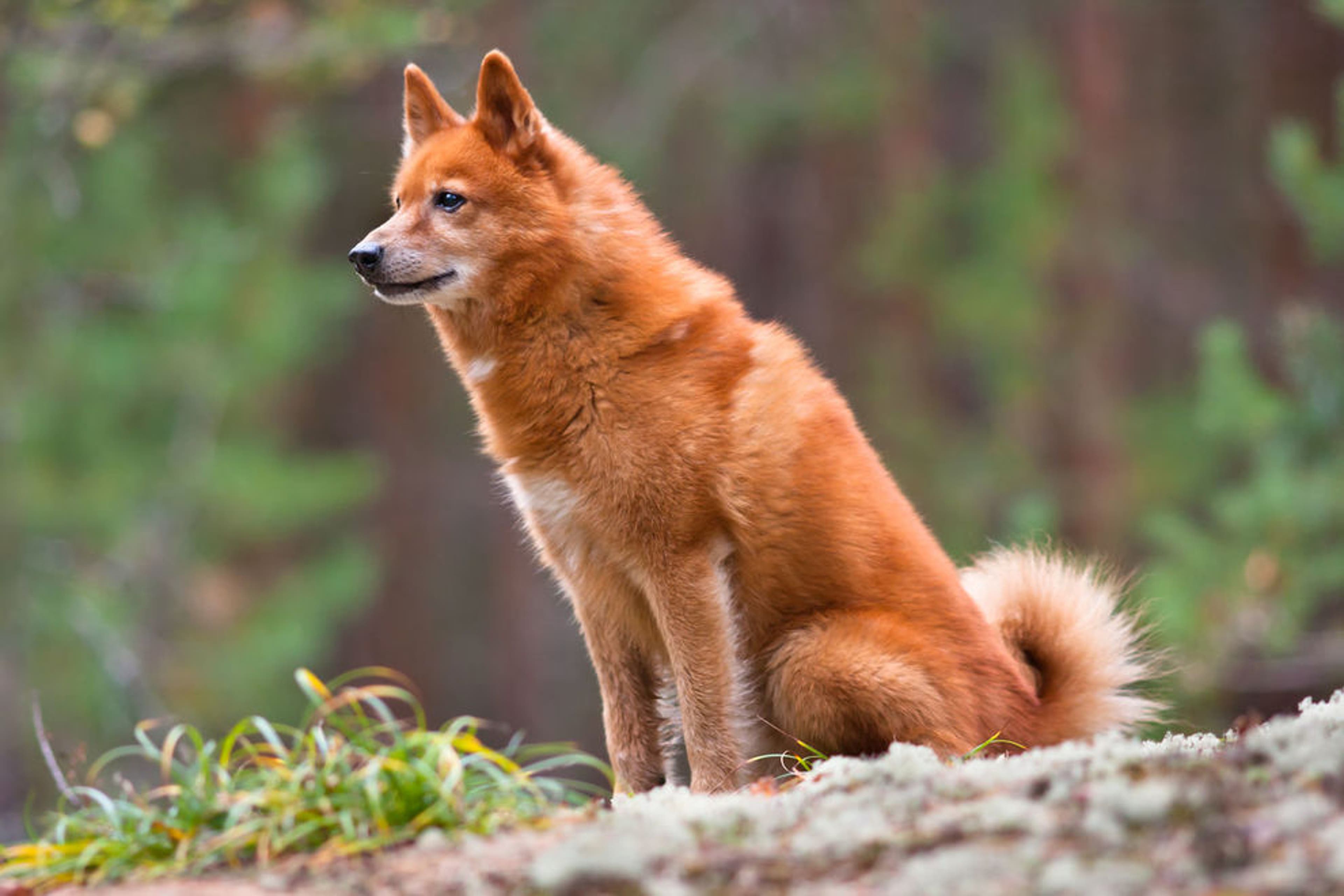 Photo courtesy of iStock / PavelRodimov
Finnish Spitz – Finland
The national dog of Finland has been around in its home country, mostly as a hunting dog, for more than 3,000 years. The dog’s distinctive quick bark (up to 160 barks a minute) and acute sense of smell make them particularly good for hunting game birds.
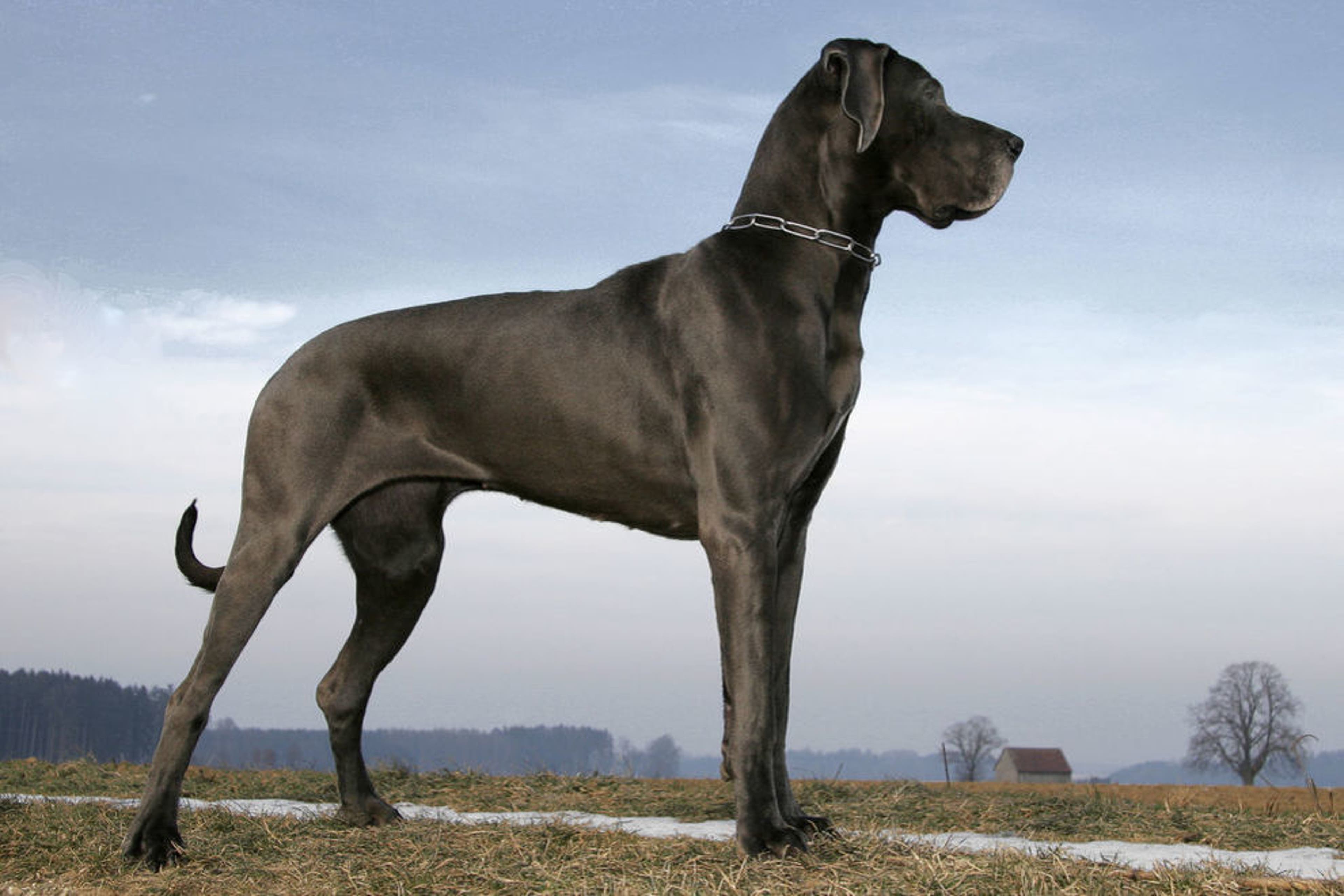 Photo courtesy of iStock / RalfWeigel
Great Dane – Germany
The “Apollo of Dogs,” who are taller than most adults when standing on their hind legs, trace their origins to Germany, where German nobles once used them on wild boar hunts. While Denmark had nothing to do with the development of the breed, they were often called Danish Mastiffs, and the Dane name stuck.
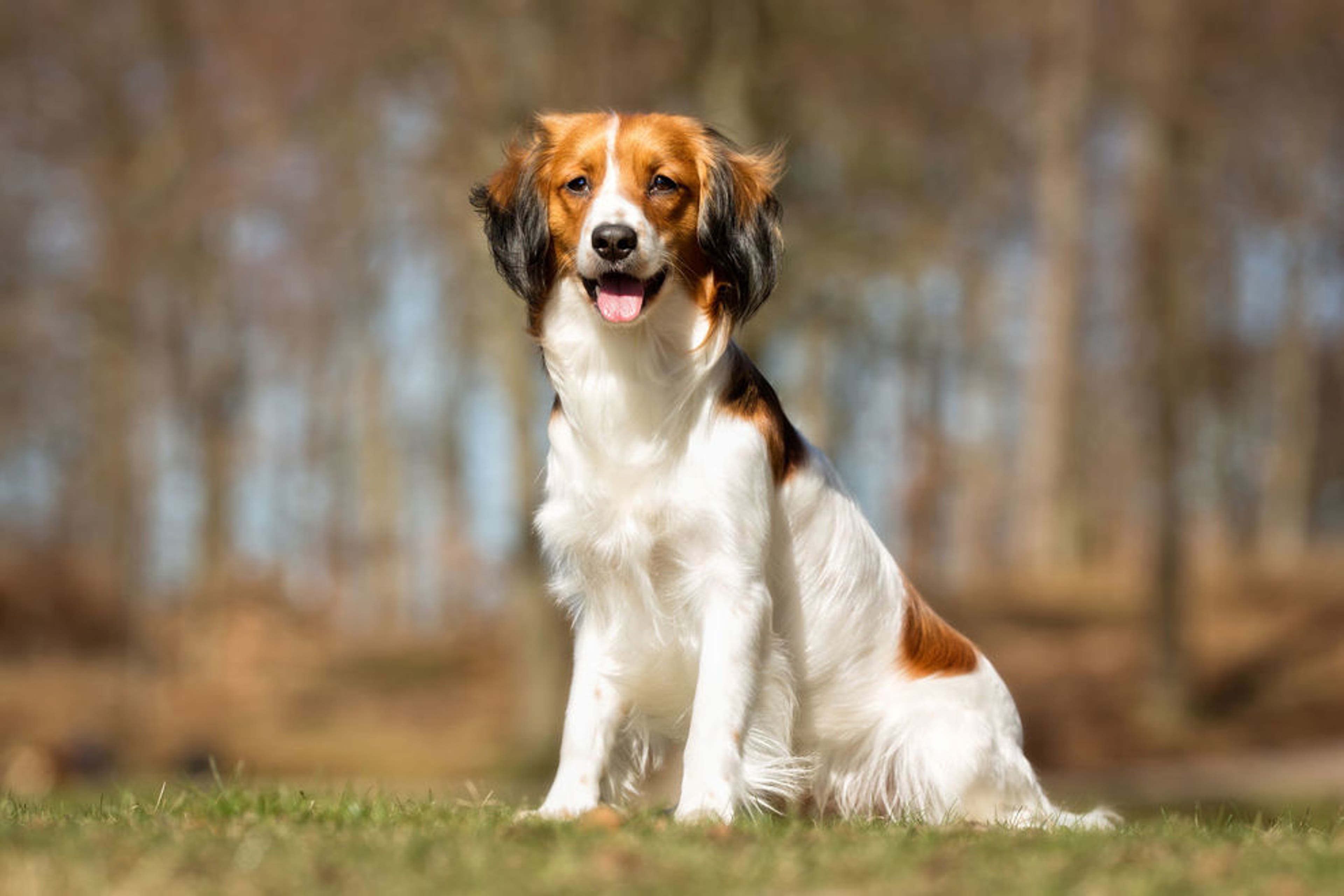 Photo courtesy of iStock / Bigandt_Photography
Kooikerhondje – Netherlands
The lively, cheerful Kooikerhondje can be seen in paintings by Dutch artists in the late Middle Ages, when the breed was used for duck hunting. Baronesse van Hardenbroek van Ammerstol helped preserve the breed after World War I as part of a silent resistance to the occupation of the Netherlands.
Advertisement
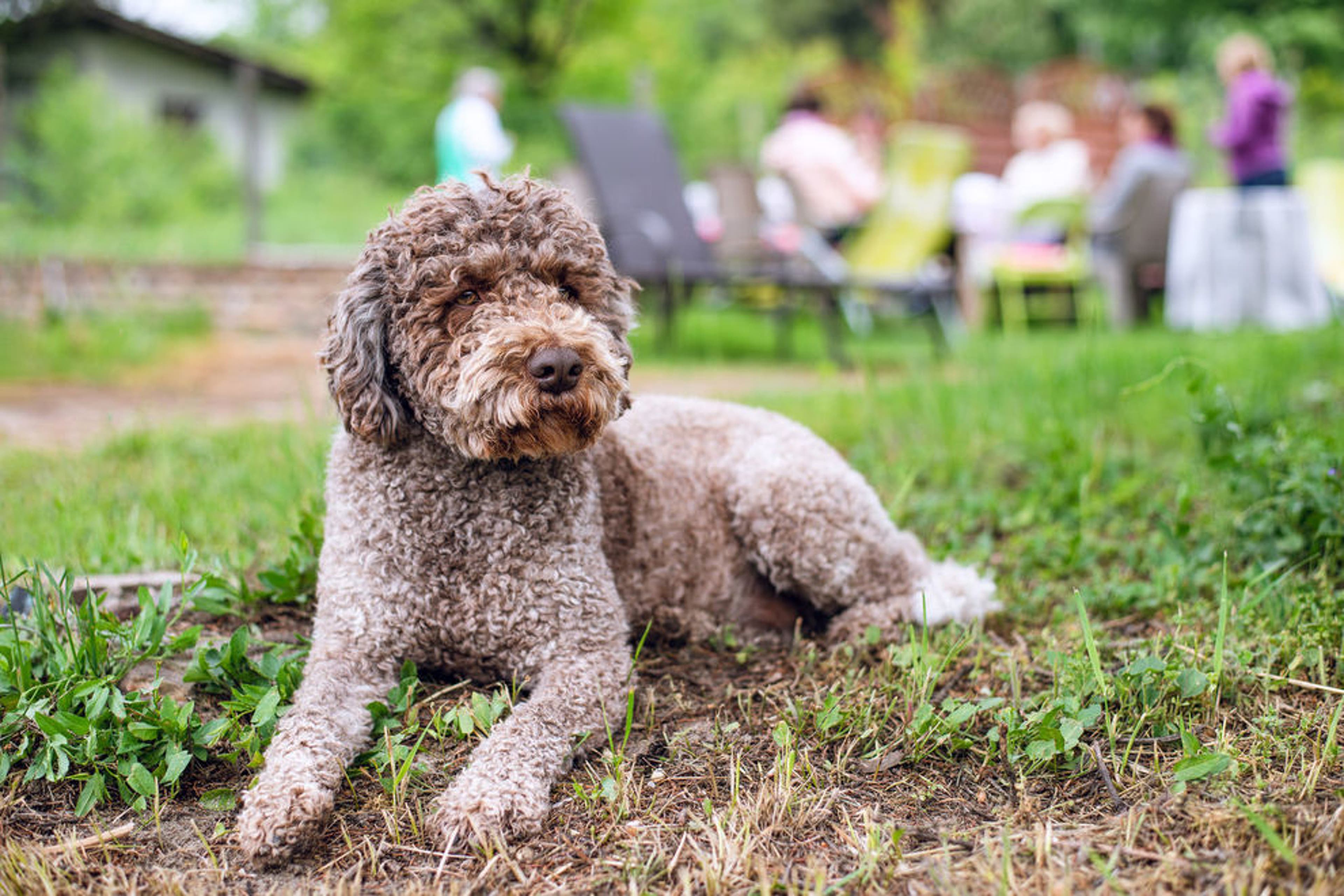 Photo courtesy of iStock / Lena Gadanski
Lagotto Romagnolo – Italy
The curly-coated Lagotto Romagnolo comes from the Romagna region of Italy, where the breed was traditionally used as water retrievers and truffle hunters. Their acute nose makes them some of the world’s best truffle dogs.
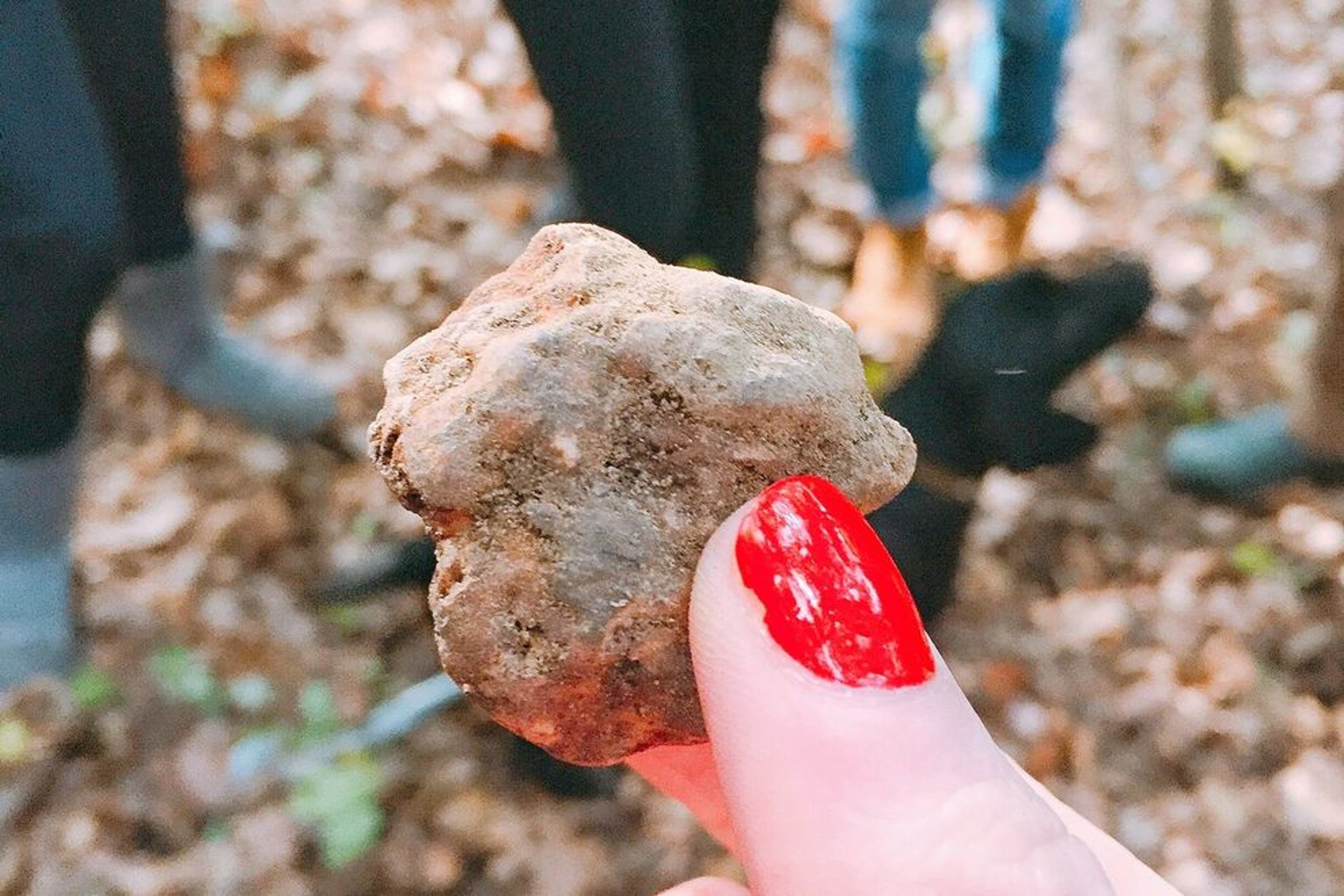
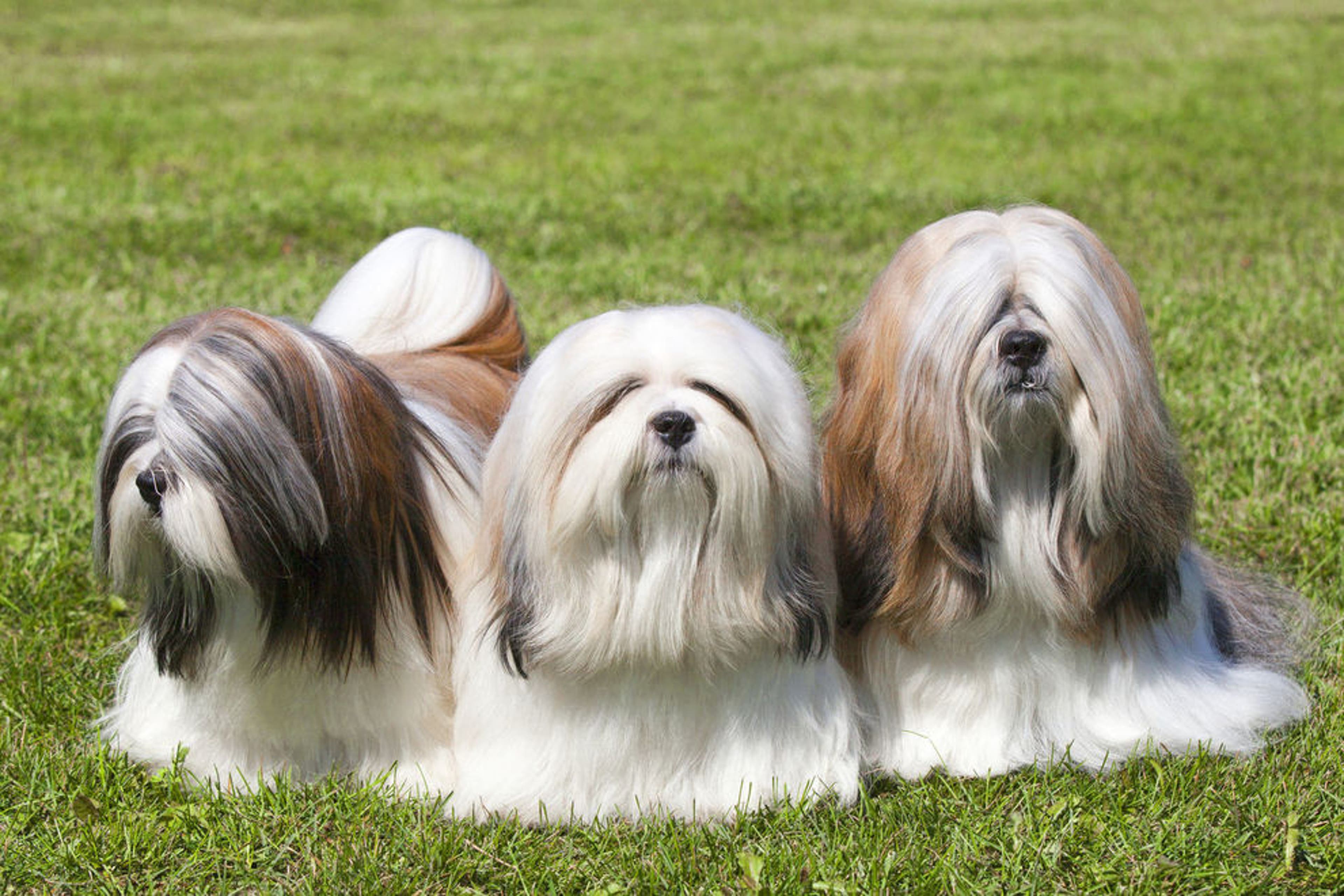 Photo courtesy of iStock / VKarlov
Lhasa Apso – Tibet
The story of the Lhasa Apso goes back over a thousand years to the palaces and monasteries of the Himalayas. Tibetan folklore tells of a mythical Snow Lion that protects the country, and these “bearded lion dogs” were considered the Snow Lion’s earthly manifestations.
The breed spread around the world in part because the Fourteenth Dalai Lama often gifted them to visitors.
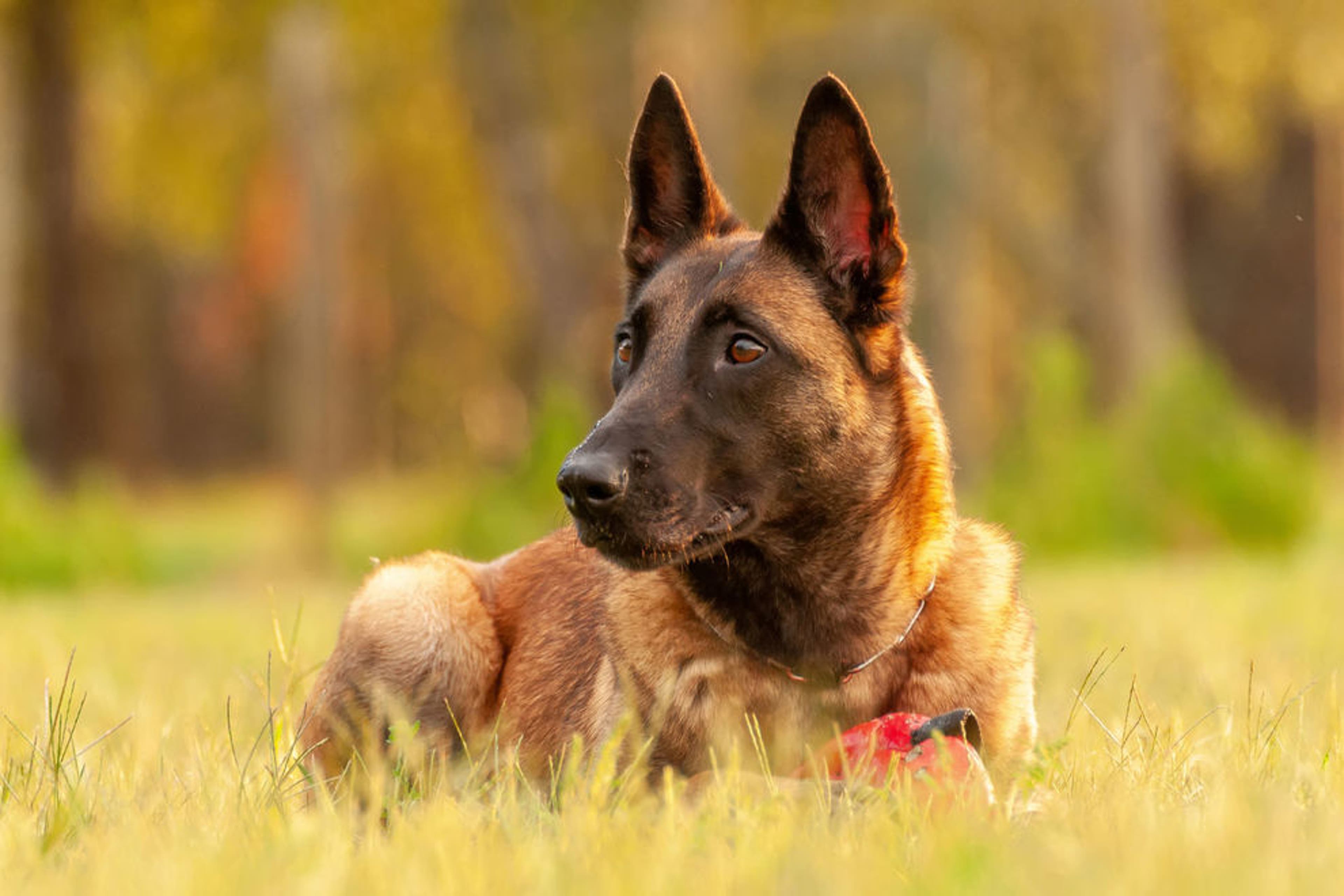 Photo courtesy of iStock / r3dsnake
Malinois – Belgium
You might recognize the Malinois, named after the Flemish city of Mechelen (Malines in French), as the dogs tasked with guarding the White House grounds alongside their Secret Service companions (they’re also frequent choices for police and military K-9s).
The breed originated in northwestern Belgium as a herding dog. A memorial to military dogs in Fayetteville, North Carolina depicts a Belgian Malinois.
Advertisement
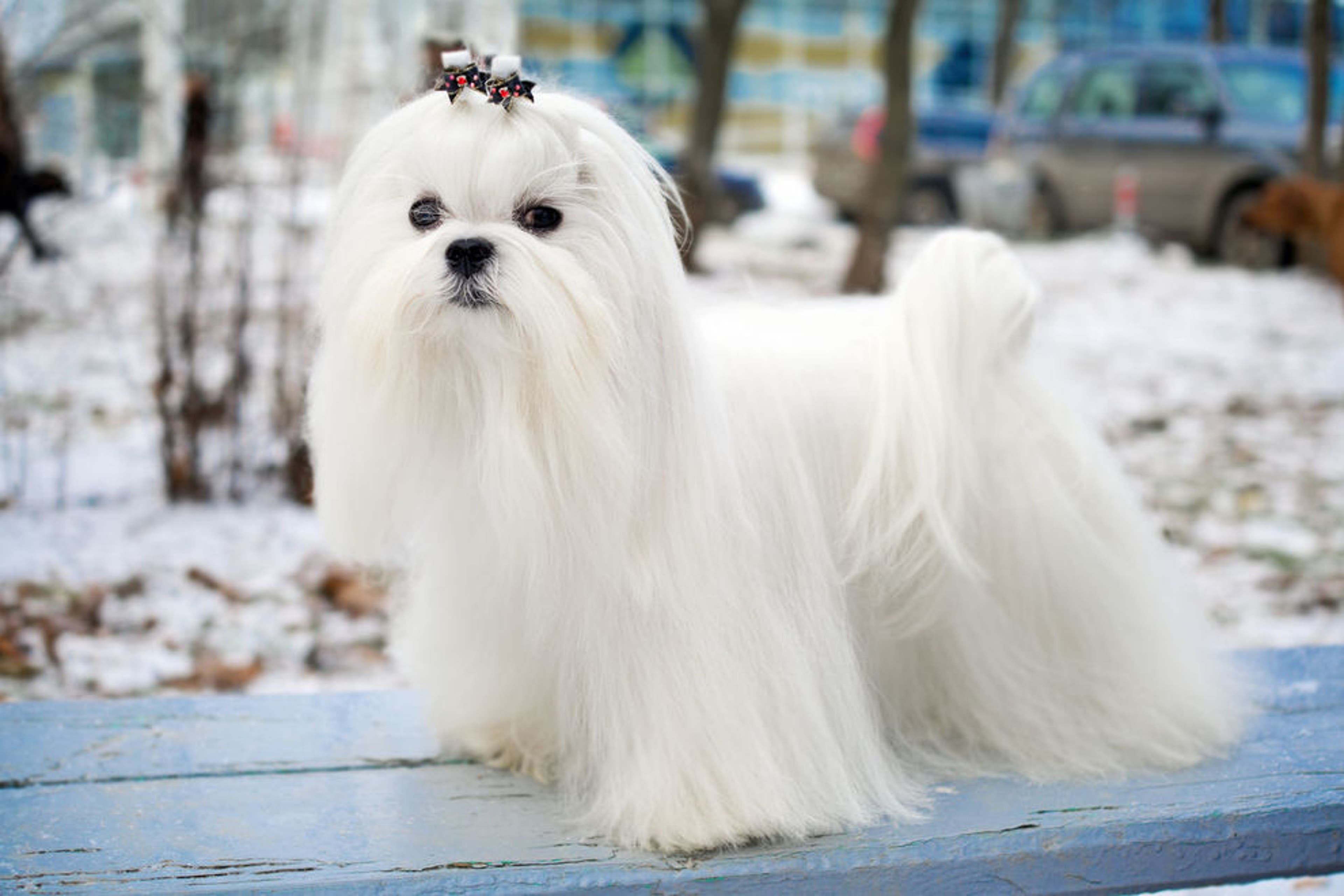 Photo courtesy of iStock / Laures
Maltese – Malta
The island of Malta off the coast of Sicily has long been a seaport and trading center in the Mediterranean. The little Maltese dog was brought to Malta by the Phoenicians, where the breed was developed and spread throughout the Roman Empire as the ultimate symbol of status and good taste.
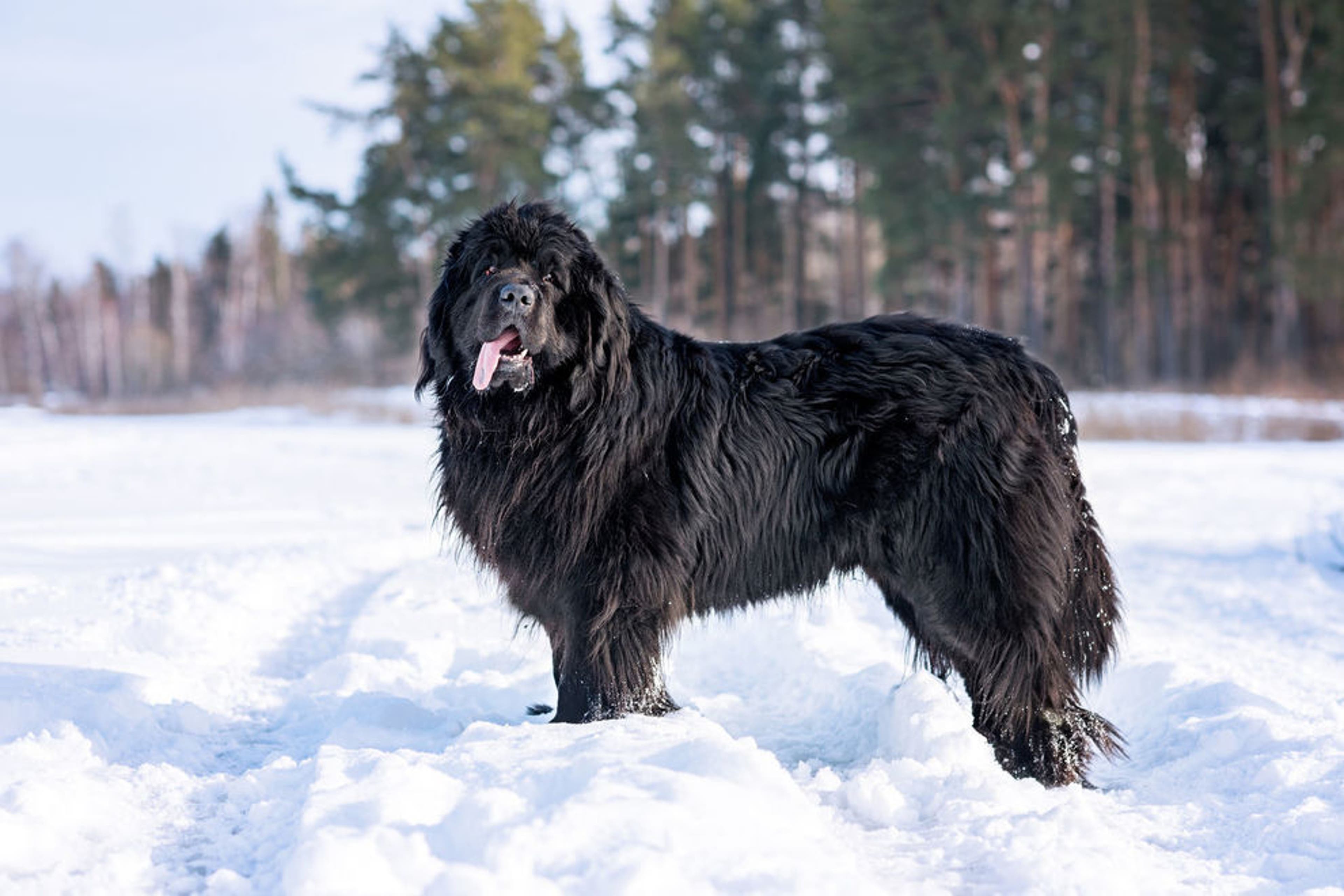 Photo courtesy of iStock / SvetaElfimova
Newfoundland – Canada
These massive, lovable, sweet-tempered working dogs come from the Canadian province of Newfoundland, where they were companions for fishermen, specializing in water rescues (they have partially webbed feet) and carting fish to market.
A Newfoundland named Seaman was part of the Lewis and Clark expedition across North America. Another Newf named Brumus served as a “nanny dog” for Senator Robert F. Kennedy’s 11 children.
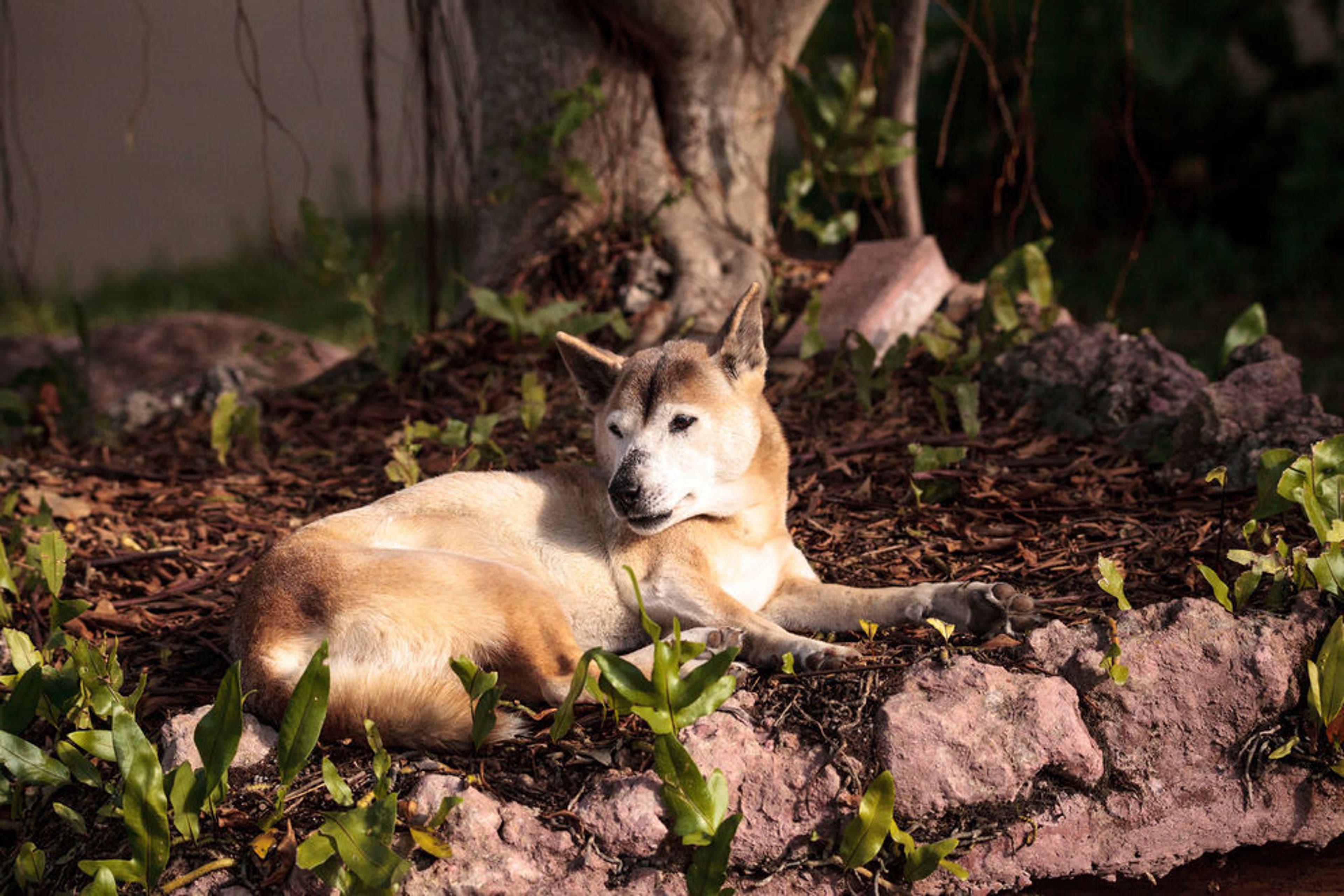 Photo courtesy of iStock / LagunaticPhoto
New Guinea Singing Dog – New Guinea
Native to the highlands of New Guinea, the New Guinea Singing Dog is best known for its haunting and melodious howl (the dogs do not bark). The breed is closely related to wild dingoes and is difficult to tame, so very few exist as pets.
Advertisement
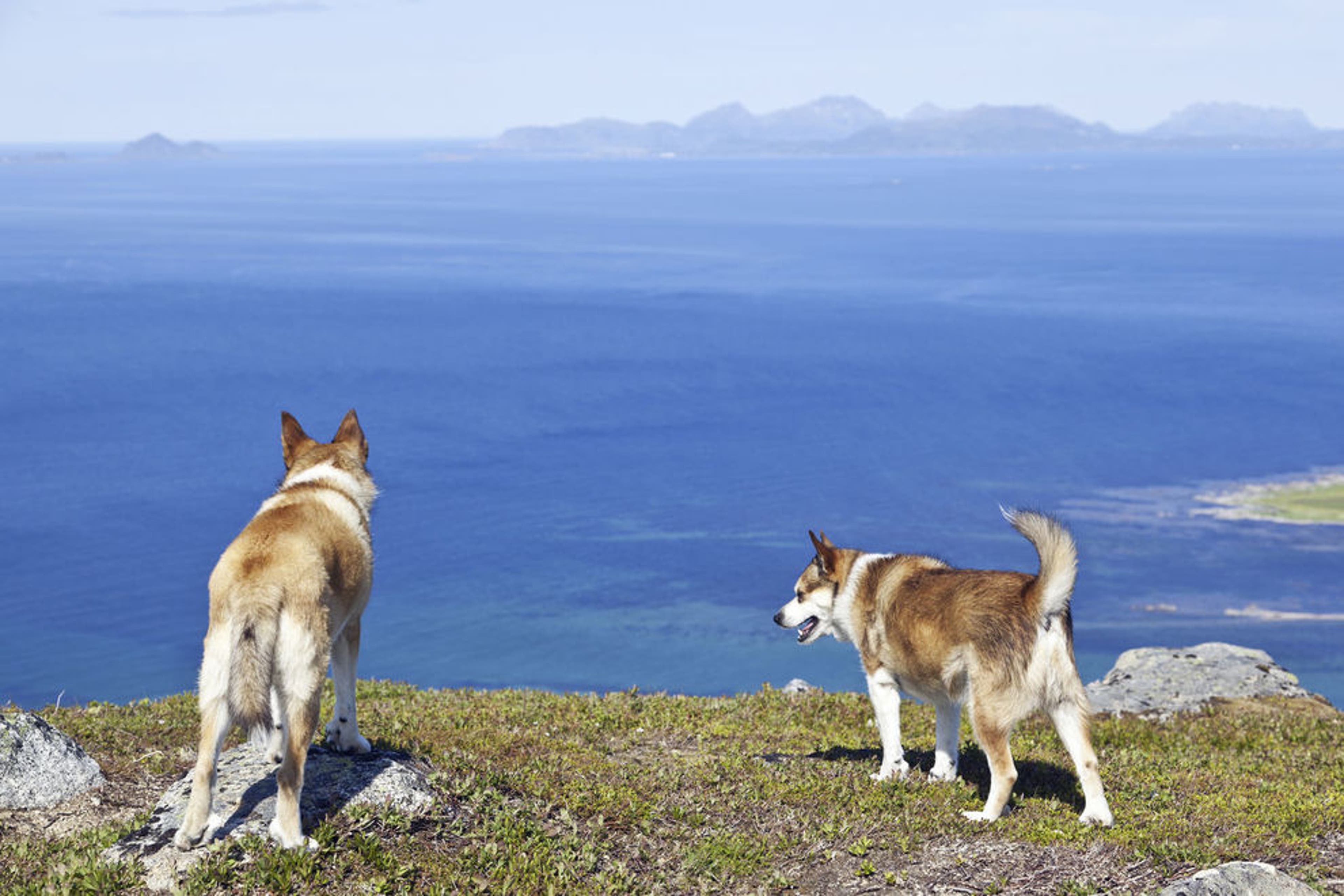 Photo courtesy of iStock / Lya_Cattel
Norwegian Lundehund – Norway
The term Lundehund comes from the Norwegian words for “puffin” and “dog,” and the Norwegian Lundehund was indeed developed for hunting puffins and puffin eggs.
The dogs were originally bred on the remote island of Vaeroy, where puffin meat was one of the only sources of protein during the Arctic winters. These agile dogs could scale steep cliff walls and squeeze into crevices to catch the birds.
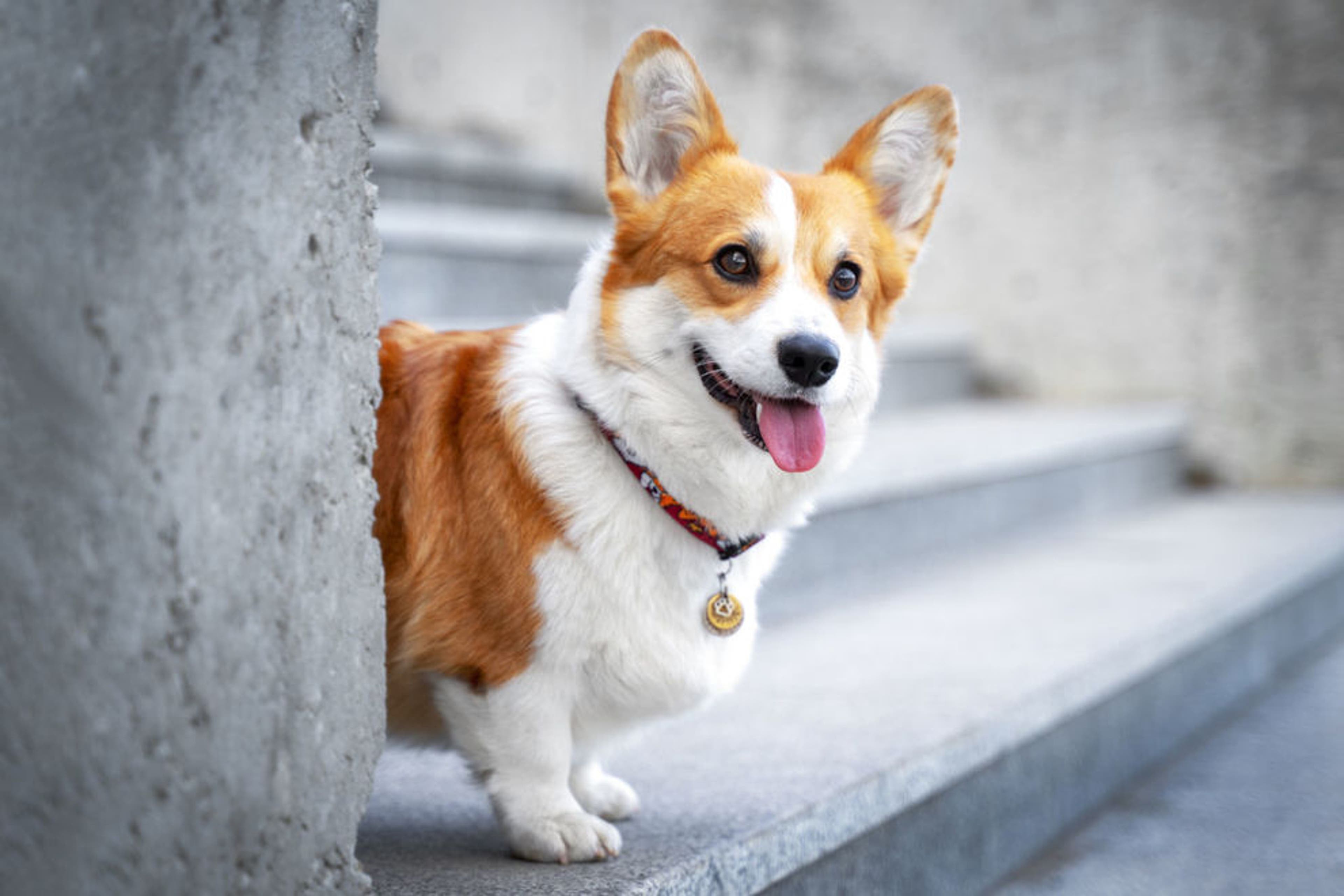 Photo courtesy of iStock / Ирина Мещерякова
Pembroke Welsh Corgi – Wales
The ancestors of the modern Pembroke Welsh Corgi were dogs bred to herd cattle and sheep by Flemish immigrants to the United Kingdom. They maintain a close association with England, thanks in part to the fact that they’re a favorite of Queen Elizabeth II, who’s always owned at least one since 1933.
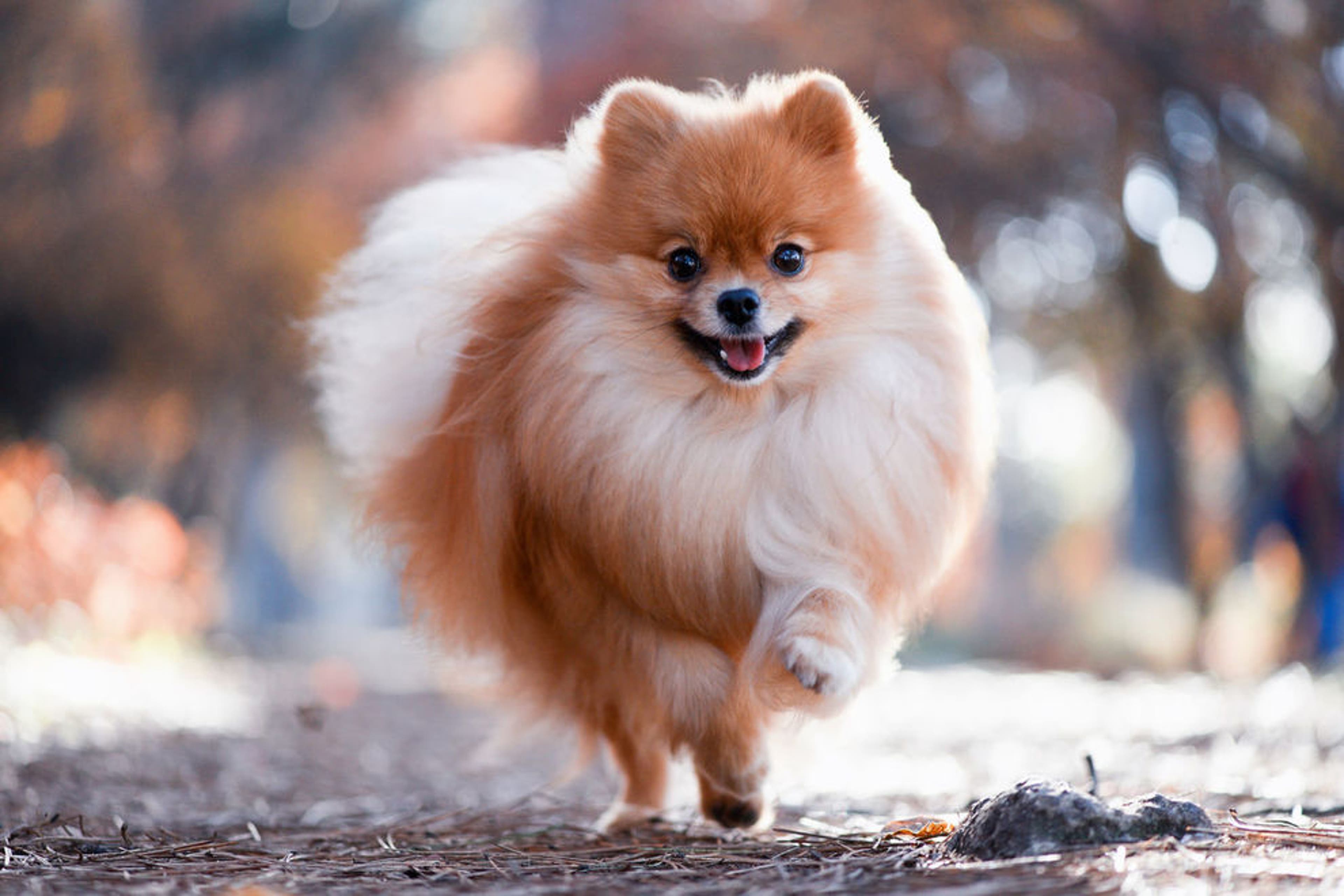 Photo courtesy of iStock / PopoudinaSvetlana
Pomeranian – Poland
Looking at the small-statured Pomeranian, it can be hard to believe that the breed descends from the powerful sled dogs of the Arctic. This miniaturized version gets its name from the Pomerania region of Poland and western Germany, where it was developed. One of the most famous Pomeranian owners was Queen Victoria, who had a small dog named Windsor’s Marco.
Advertisement
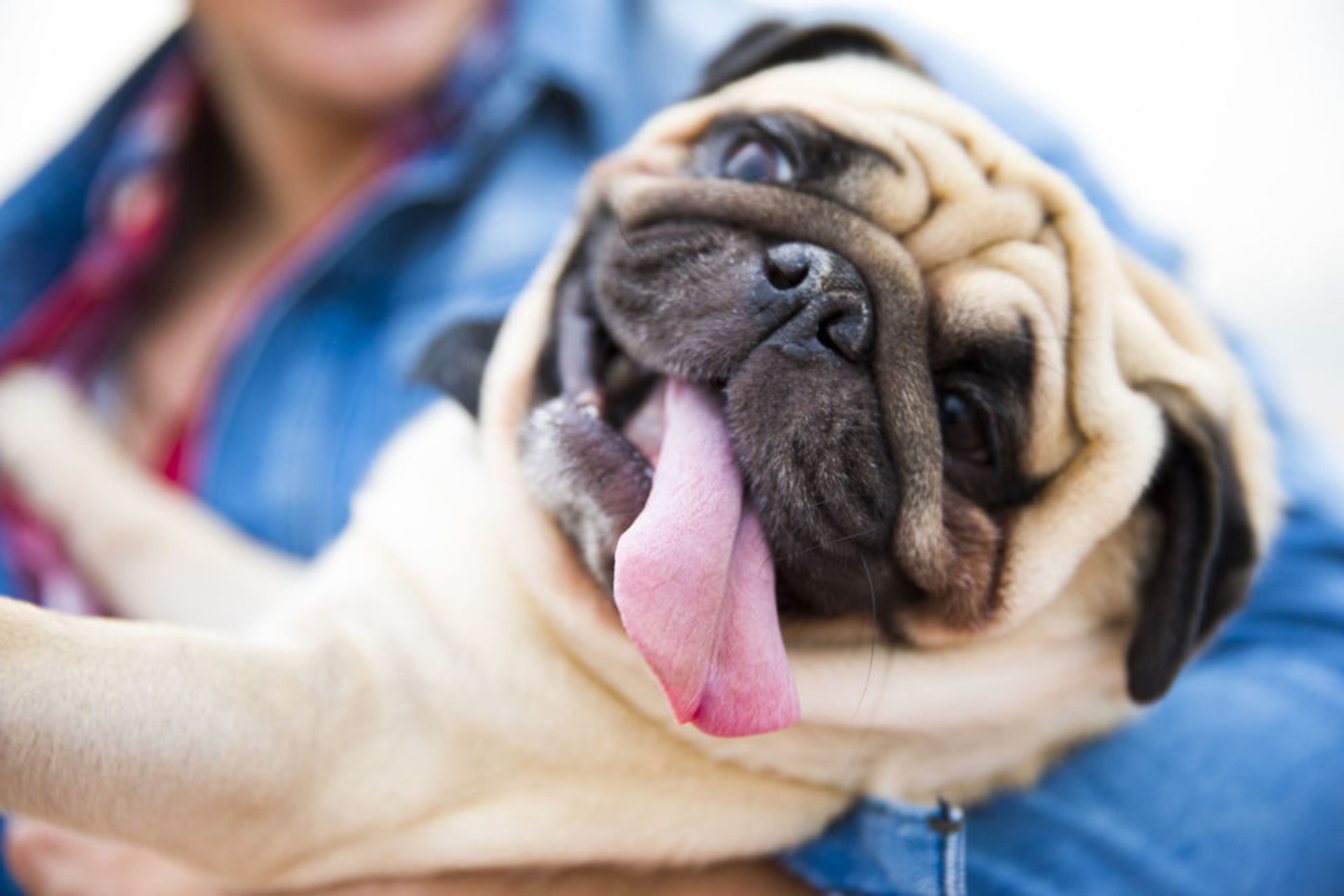 Photo courtesy of iStock / GCShutter
Pug – China
The compact and cute pug dates back some 2,000 years to ancient China, where emperors took a liking to small flat-faced dogs. Dutch traders brought pugs to Europe in the 1500s, and they quickly became the mascot of the House of Orange after a pug barked to warn of an attack by Spanish troops, saving the life of the Prince of Orange at the time.
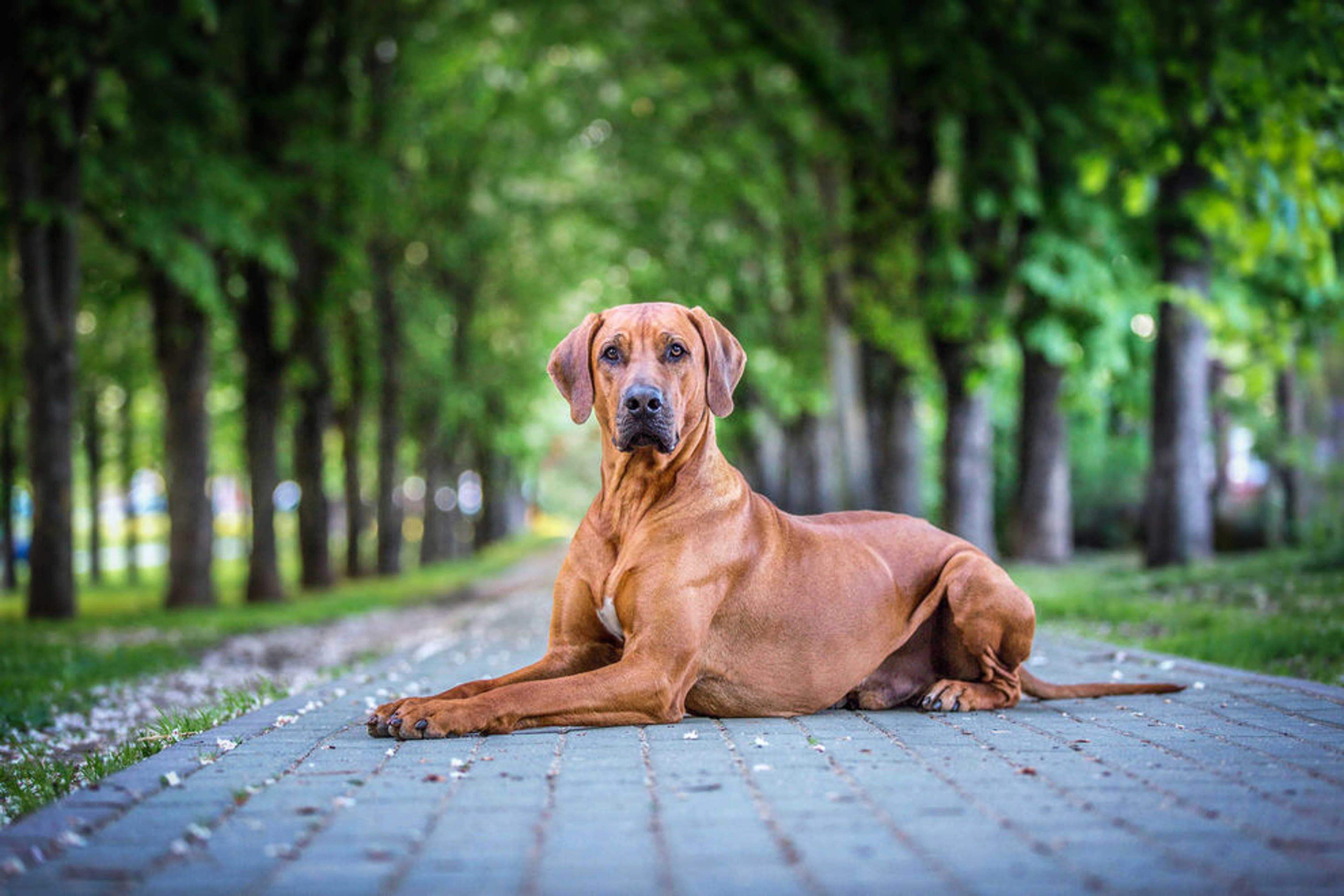 Photo courtesy of iStock / AsyaPozniak
Rhodesian Ridgeback – South Africa
The affectionate Rhodesian Ridgeback (previously called the African Lion Hound) hails from southern Africa, where it was bred from Greyhounds and terriers brought by Dutch colonists and native Khoi dogs. The hounds were used as hunting dogs, skilled at tracking and distracting large game animals, like lions, leopards and baboons.
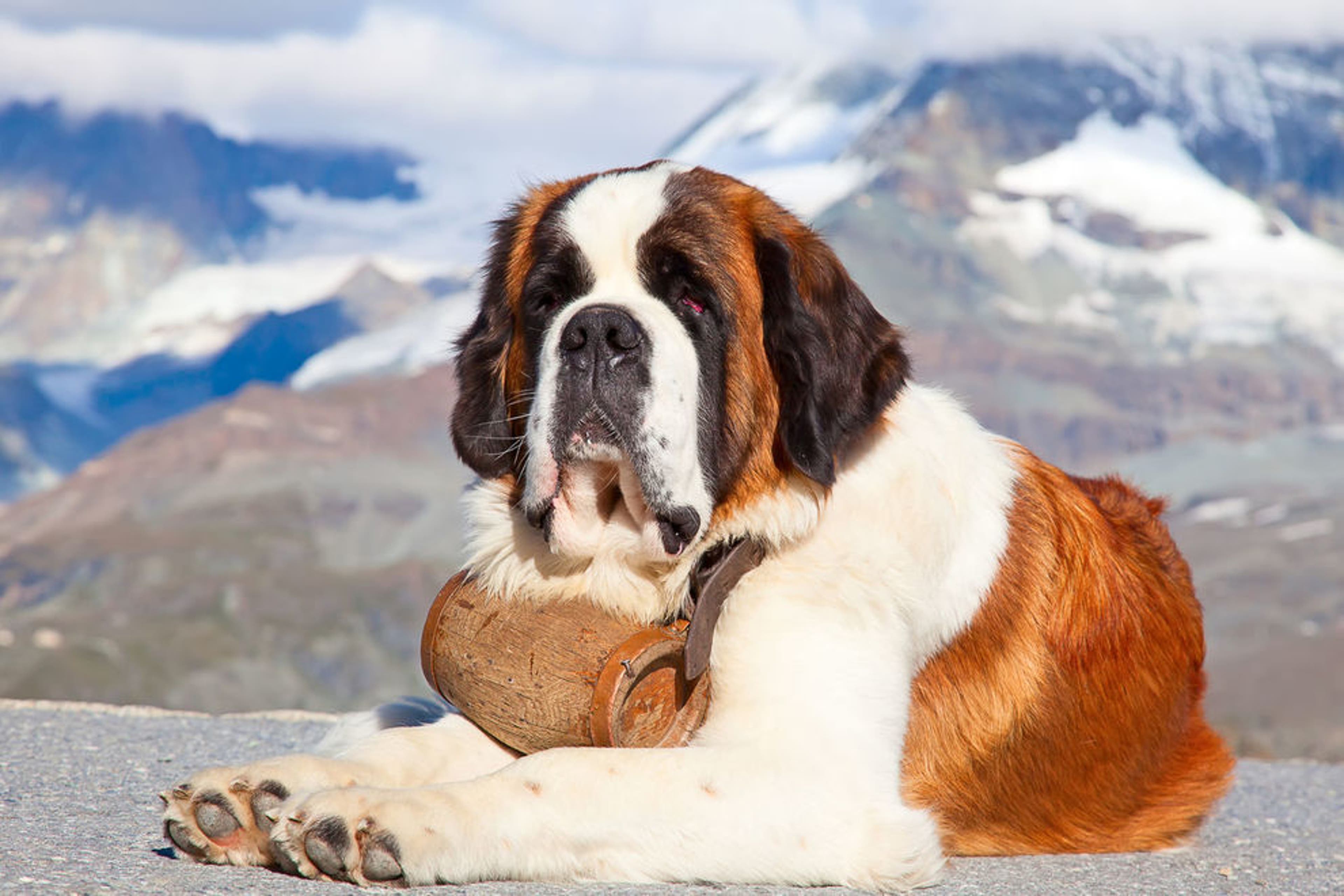 Photo courtesy of iStock / swisshipps
St. Bernard – Italy & Switzerland
These gentle giants of the Swiss and Italian Alps rank among the world’s most recognizable breeds. They were bred by a group of hospice monks founded by Bernard of Menthon to help rescue travelers en route to Rome who’d gotten buried in snow drifts and avalanches.
Contrary to popular belief, the dogs didn’t traditionally carry casks around their necks; that depiction was made popular by the 1820 Sir Edwin Landseer painting called “Alpine Mastiffs Reanimating a Distressed Traveler.
Advertisement
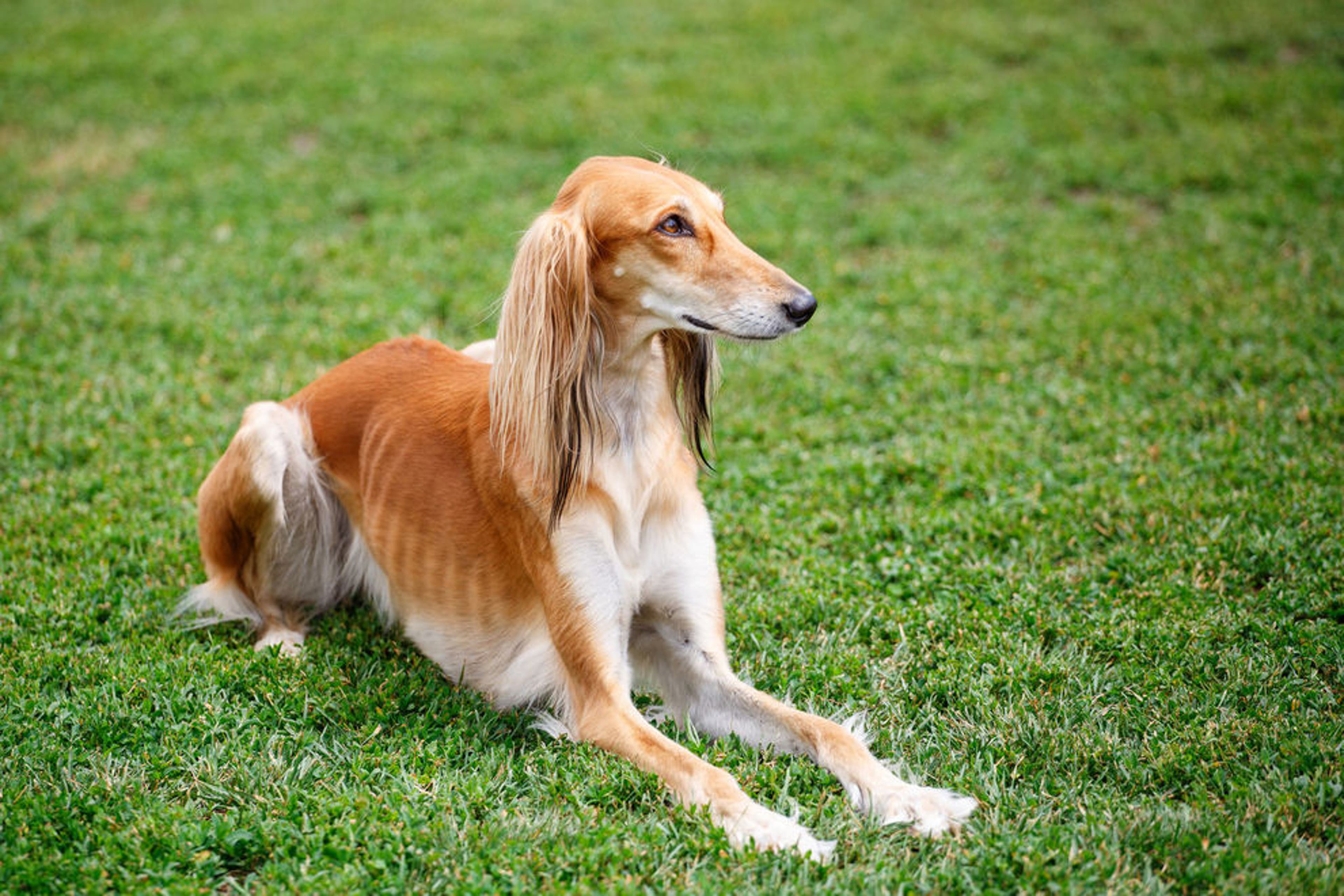 Photo courtesy of iStock / SerKucher
Saluki – Fertile Crescent
One of the oldest dog breeds in the world comes from the Fertile Crescent in the Middle East, with a history dating back as far as 7,000 BC. The breed was a favorite among Egyptian pharaohs. These sighthounds are known for their slim and elegant build and impressive athleticism.
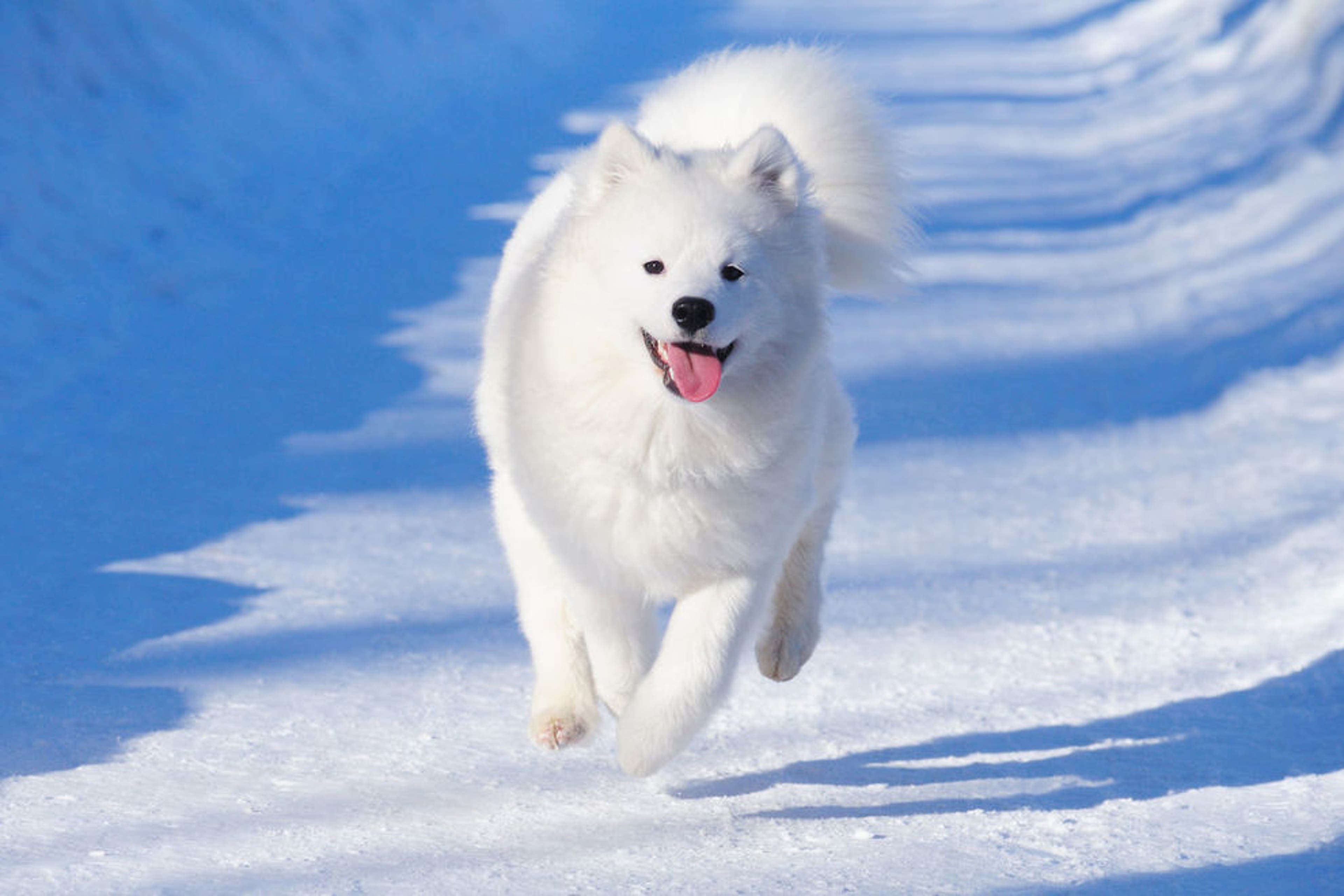 Photo courtesy of iStock / Abramova_Kseniya
Samoyed – Siberia
The thick, white coat of the Samoyed makes them impervious to cold, including the minus-60 degree temperatures of their homeland in the Siberian town of Oymyakon. The upturned mouth corners that give these dogs their signature smile also prevent drooling, so no icicles will form on their faces.
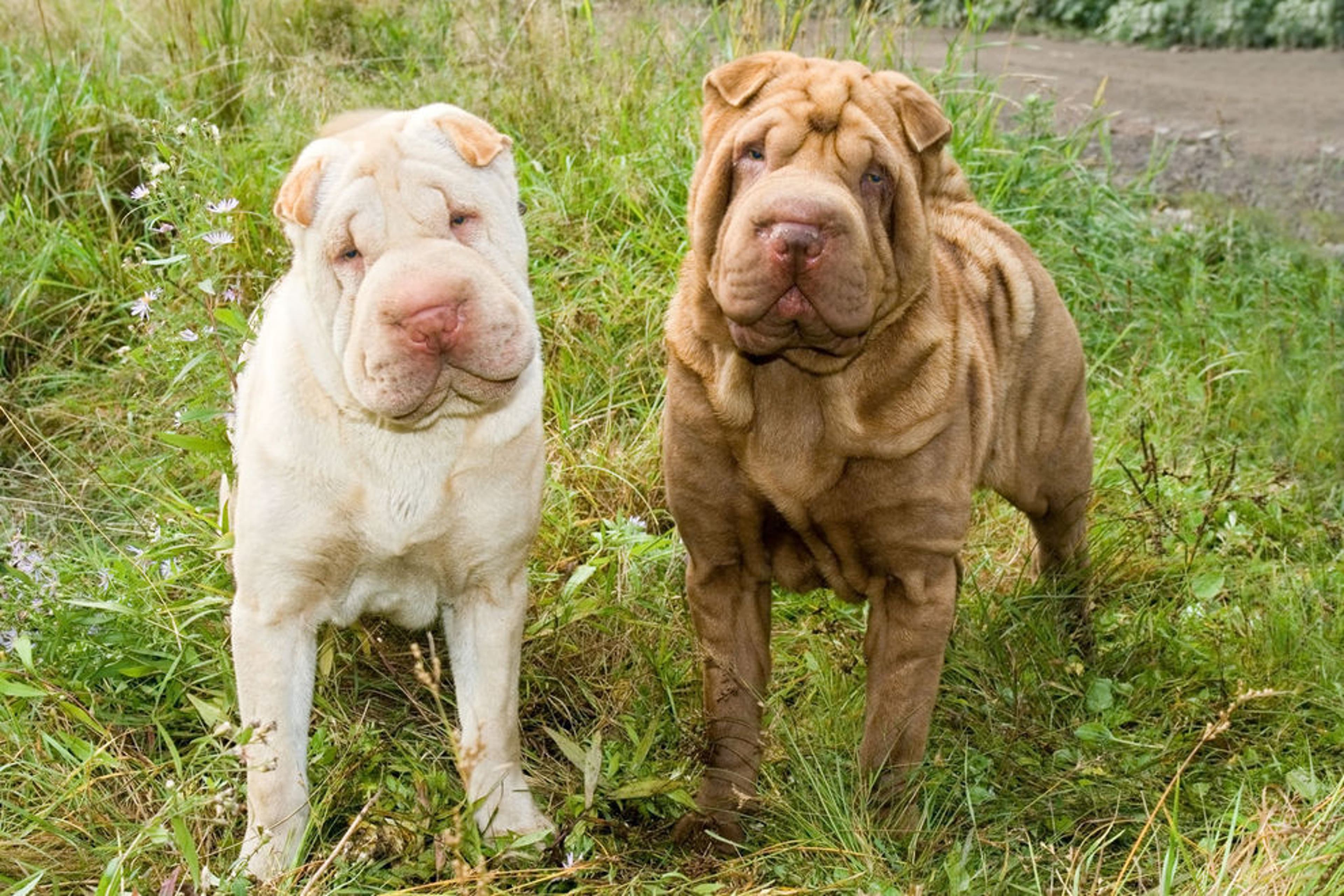 Photo courtesy of iStock / Slonov
Shar Pei – China
The wrinkly, blue-tongued Shar Pei originated in southern China during the Han Dynasty; the name translates to “sandy skin” for the breed’s rough coat. The breed’s numbers dwindled during the Cultural Revolution, but a Hong Kong breeder managed to drum up support from Americans to save the breed.

Advertisement
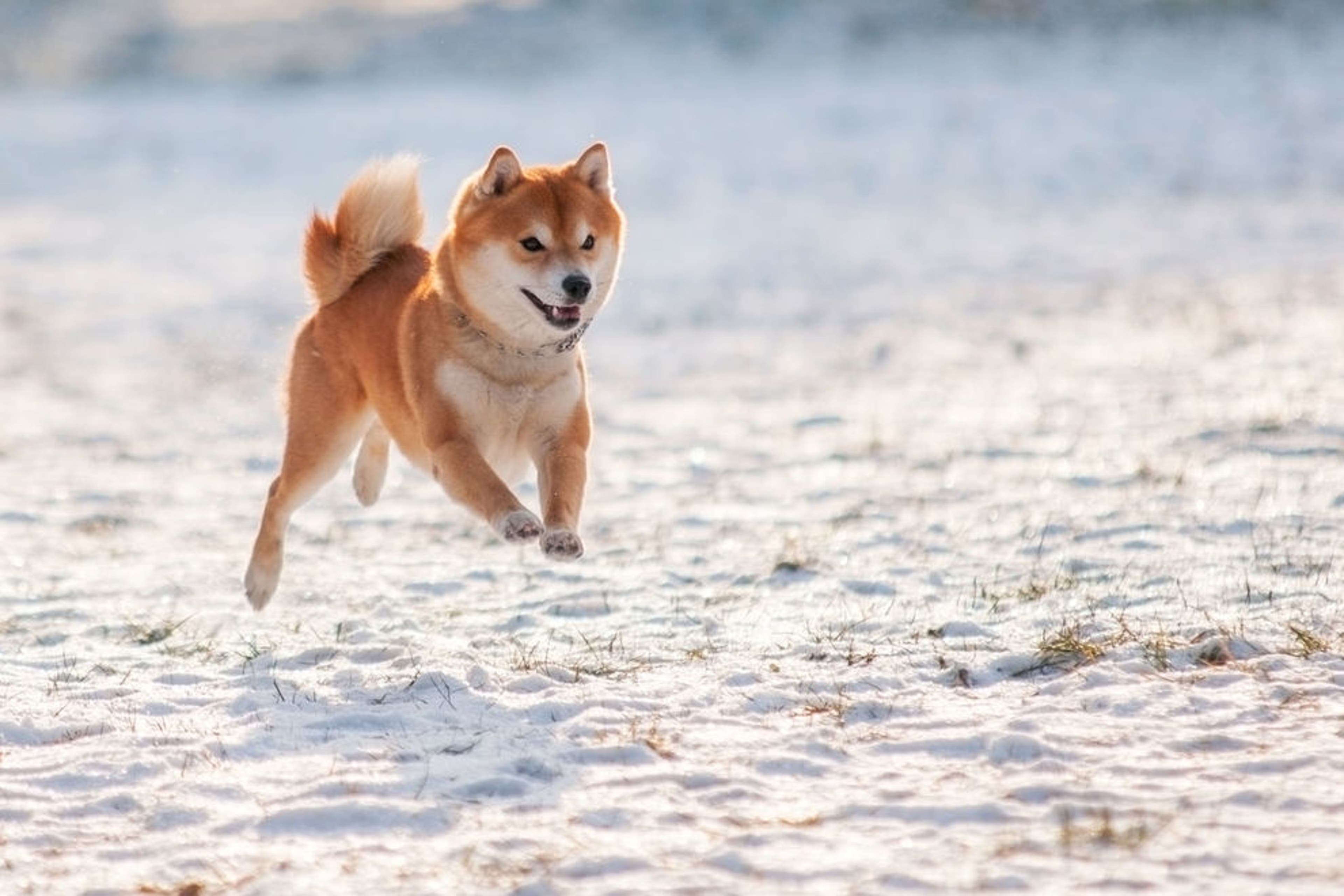 Photo courtesy of iStock / irontrybex
Shiba Inu – Japan
This ancient Japanese breed is today the most popular companion dog in Japan. The breed has been around since 300 BC, when it was used as a hunter in Japan’s mountainous terrain. A military family brought the first Shiba to the U.S. in the 1950s.
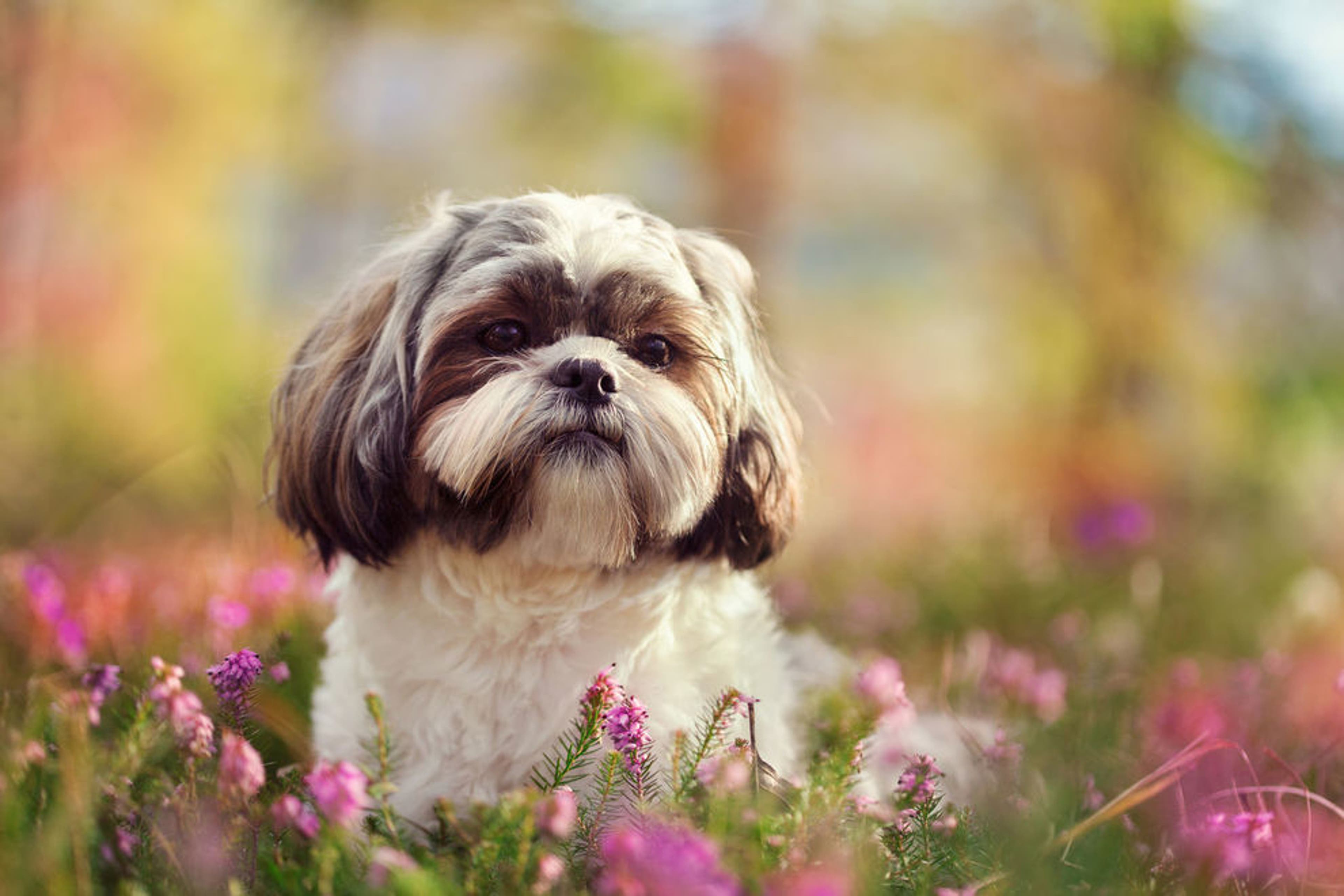 Photo courtesy of iStock / elenasendler
Shih Tzu – Western China
This beloved Chinese breed was likely a cross between the Pekingese and Lhaso Apso, a Tibetan dog once gifted to the Chinese imperial family by the Dalai Lama. The Shih Tzu quickly became the favored dog of Chinese royalty, and the country didn’t allow their export until the 1930s.
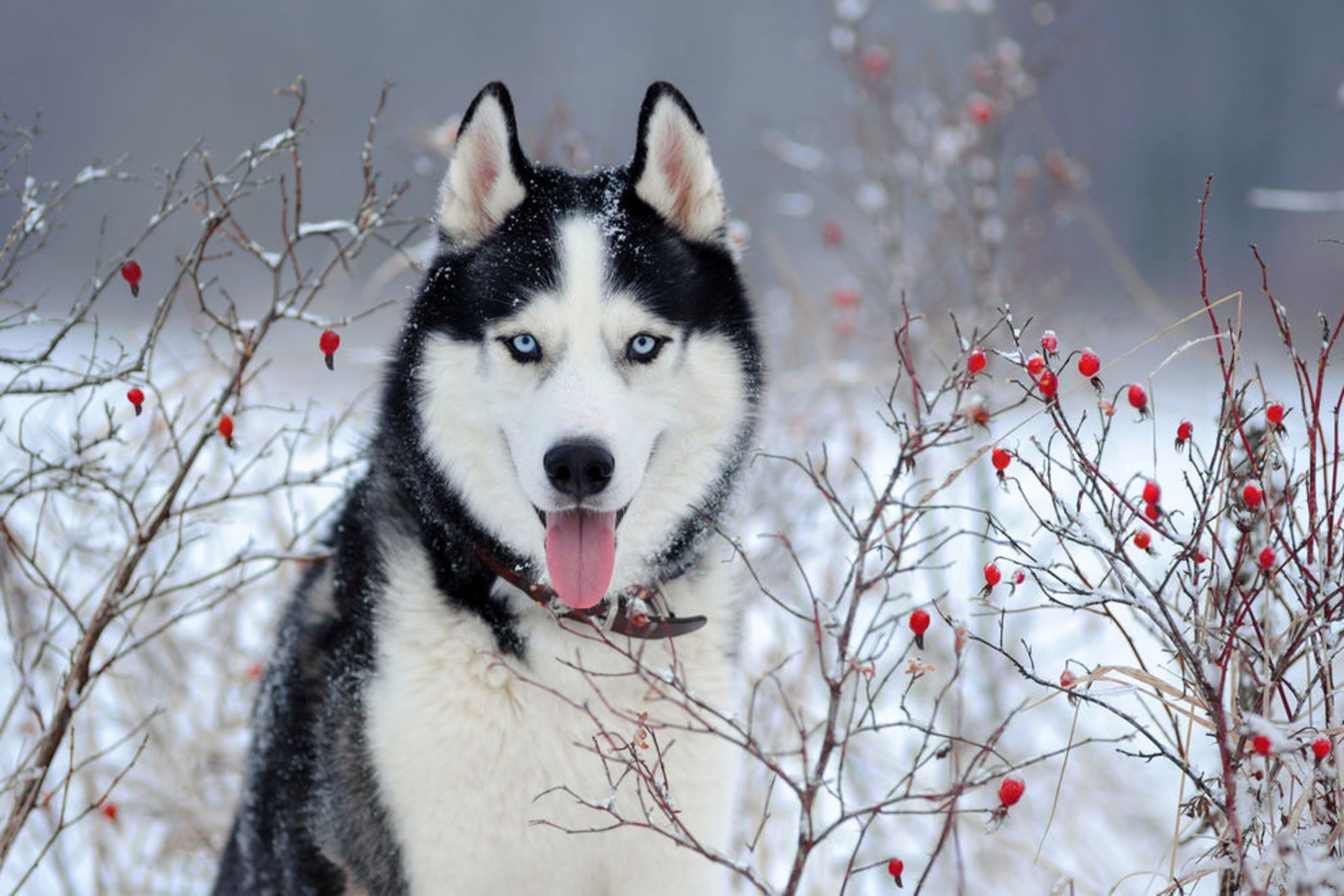 Photo courtesy of iStock / format35
Siberian Husky – Siberia
The blue-eyed Siberian Husky comes from the Chukchi Peninsula of eastern Siberia, where they served as both companion dogs and endurance sled dogs. The breed garnered attention in the early 1900s, after they were brought to Alaska for sled dog races, which they began to win with increasing frequency.
It was a pack of Siberian Huskies that made the 658-mile journey to Nome that would inspire the Iditarod.
Advertisement
 Photo courtesy of iStock / madcorona
Stabyhoun – Netherlands
The Stabyhoun, one of the rarest dog breeds in the world, comes from the Dutch province of Friesland, where it’s depicted and mentioned in 17th and 18th century art and literature.
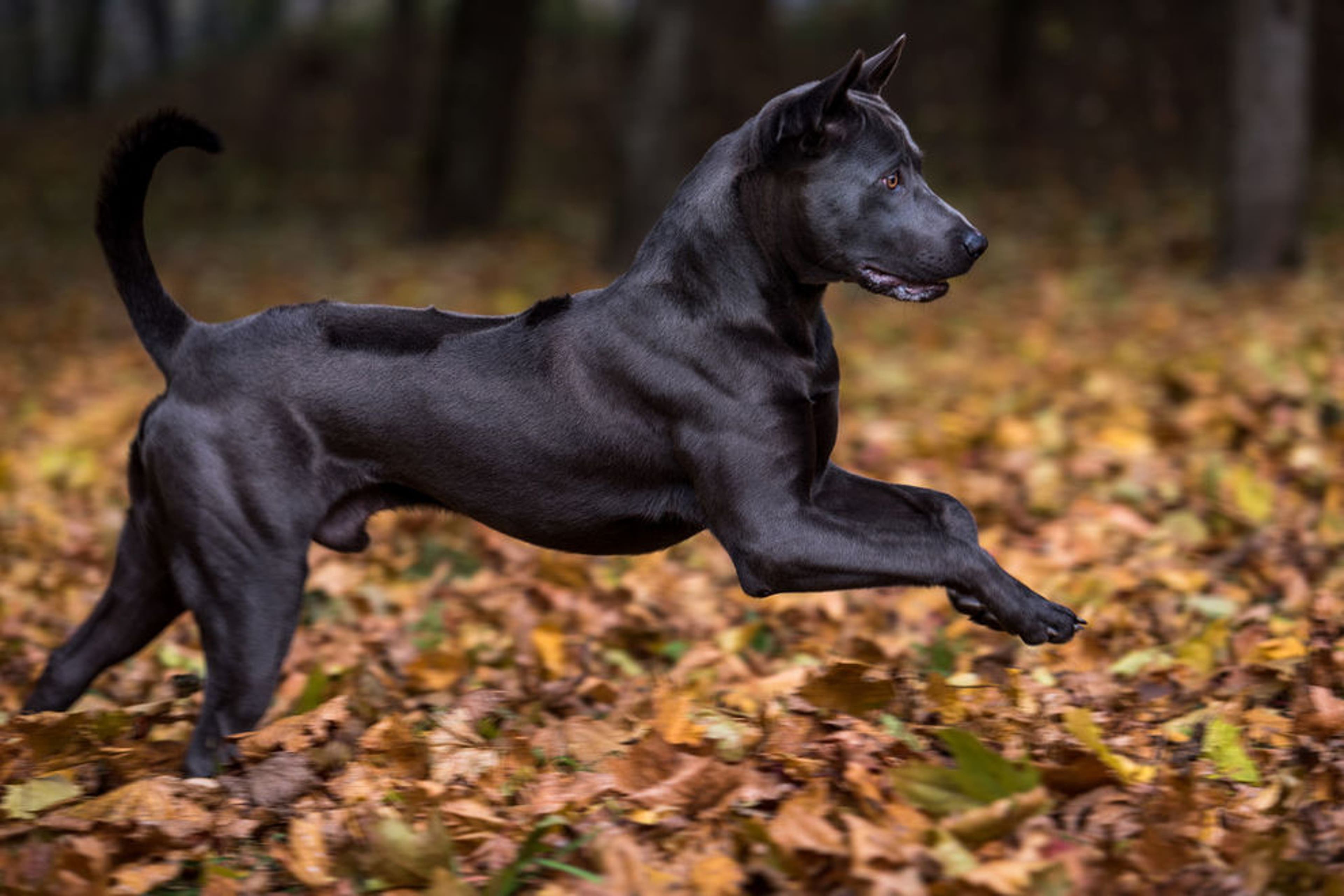 Photo courtesy of iStock / White_bcgrd
Thai Ridgeback – Thailand
The Thai Ridgeback was used as a hunting dog and to escort carts in the eastern part of Thailand. Poor transportation systems in the region meant the dogs had little opportunity to crossbreed, and the breed remains quite rare outside of their country of origin.
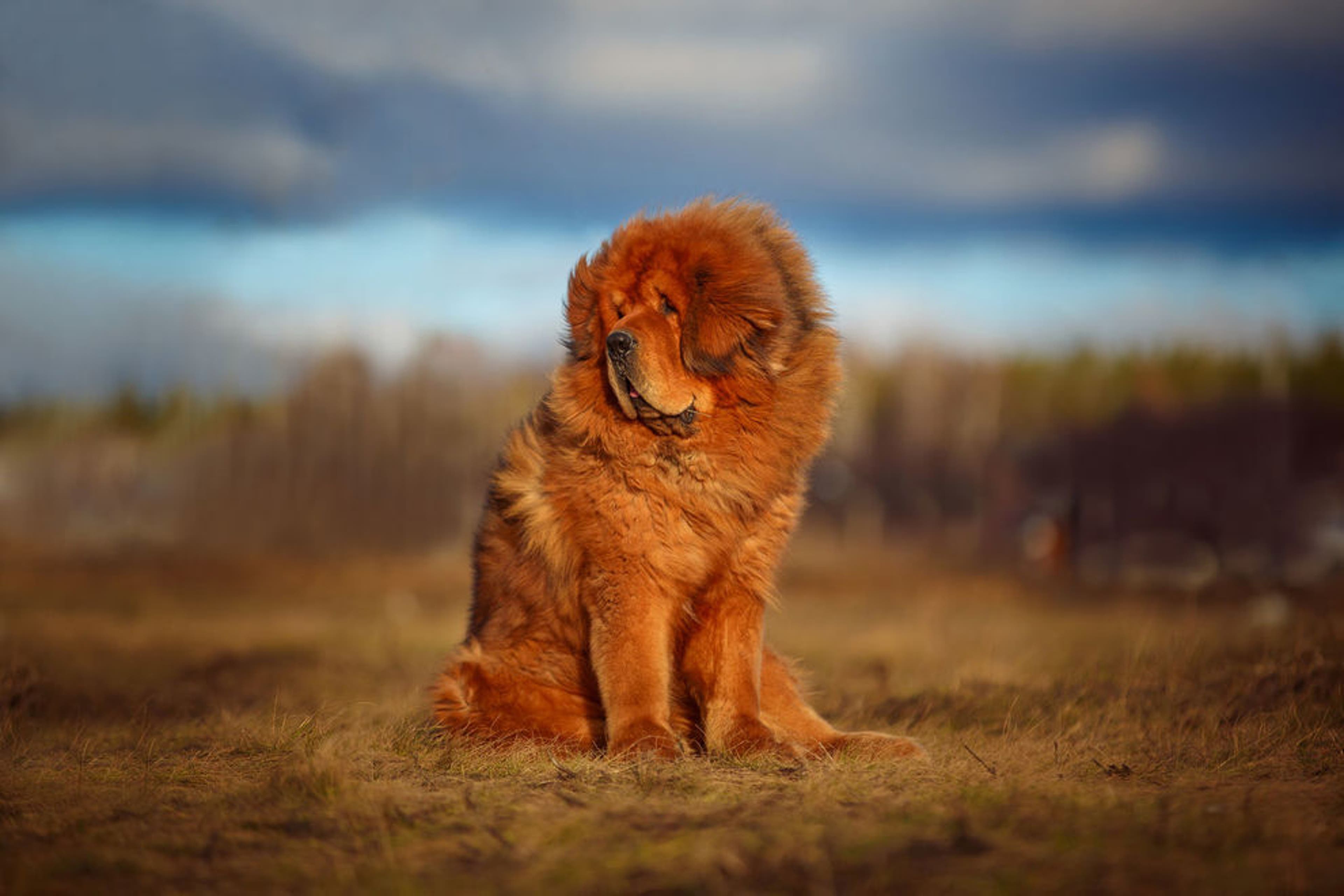 Photo courtesy of iStock / ~User7565abab_575
Tibetan Mastiff – Tibet
These thick-coated giants can weigh in at well over 100 pounds. The full history of the Tibetan Mastiff is a bit of a mystery, but they’ve served as guardians in the isolated Himalayas for millennia as the progenitor of all other modern mastiff breeds.
Advertisement
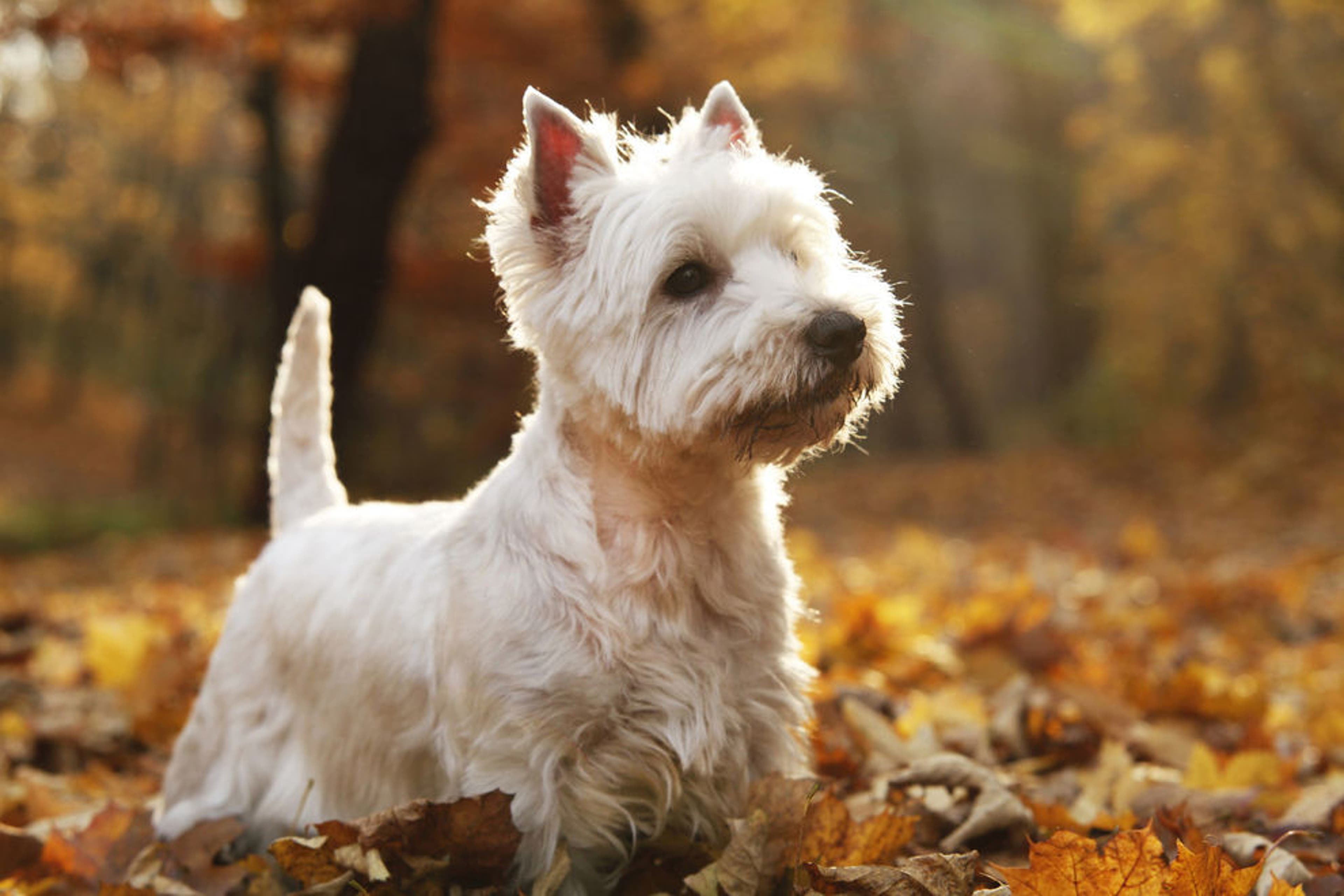 Photo courtesy of iStock / natenn
West Highland White Terrier – Scotland
The West Highland White Terrier, or Westie for short, has been winning the hearts of dog owners for more than three centuries. These smart and entertaining dogs were originally bred in Scotland and the British Isles to hunt rodents that carried disease and infested grain stores. The Malcolm clan bred them on their Poltalloch estate in the 1700s.
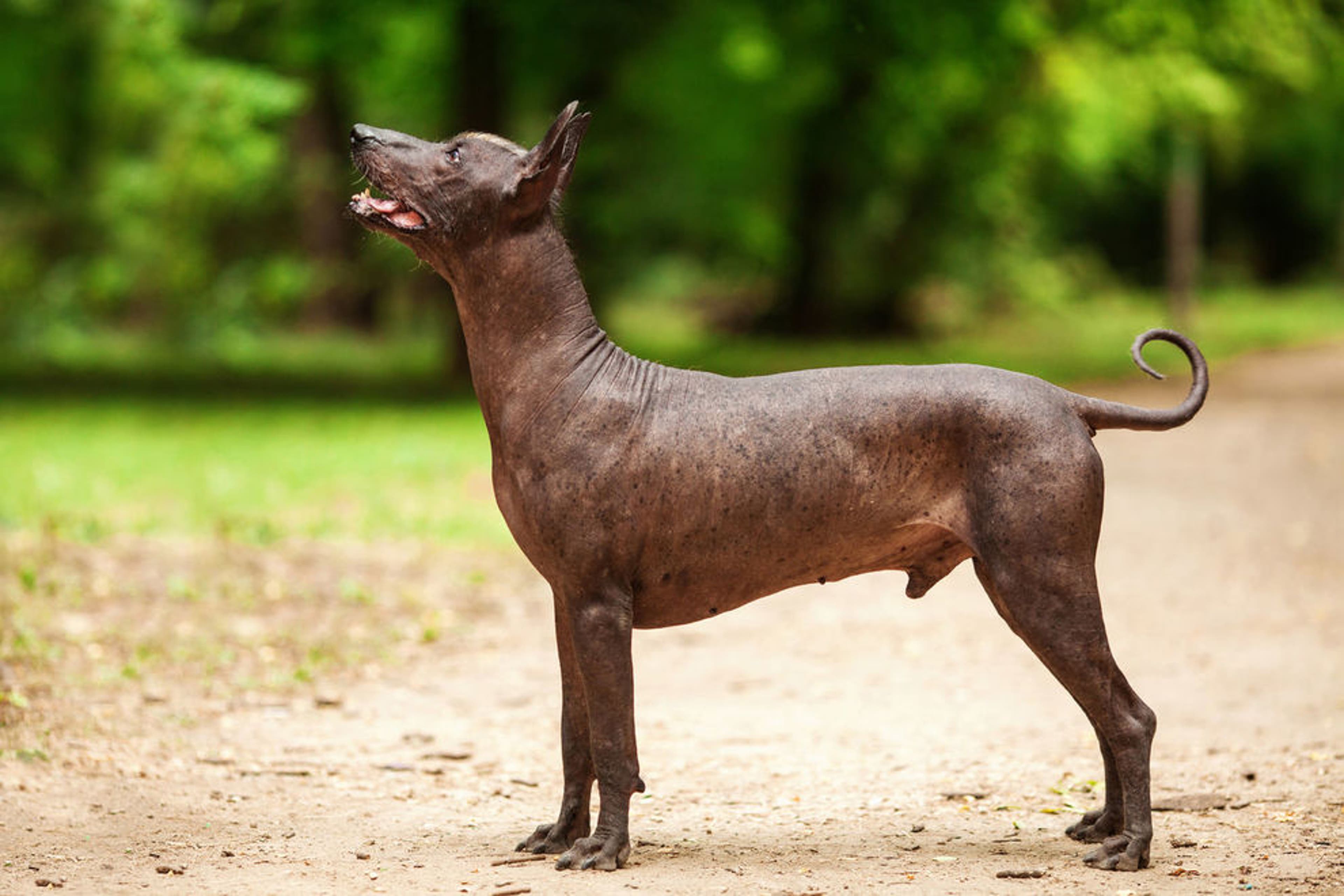 Photo courtesy of iStock / TaynaPanova
Xoloitzcuintli – Mexico
Columbus and other European explorers mentioned strange, hairless dogs in their journals of visits to Mexico. These Xolos have a history dating back some 3,000 years; the Aztecs considered them sacred, and they were named for the dog-headed god Xolotl.
